Supreme Court Restores Forfeiture of Emefiele's Lekki, Ikoyi and Agbor Properties
Supreme Court Backs Asset Forfeiture in Emefiele Property Dispute
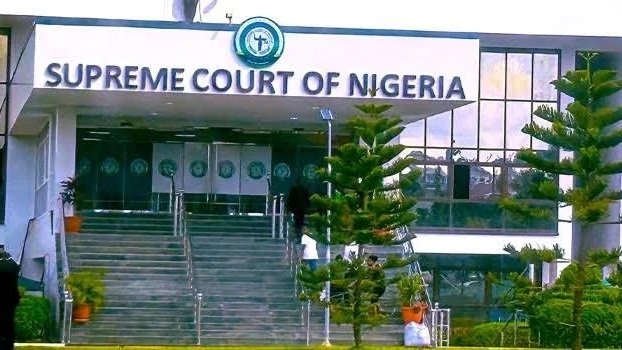
The Supreme Court has restored the forfeiture of several properties linked to former Central Bank of Nigeria (CBN) Governor Godwin Emefiele, reversing an earlier Court of Appeal ruling and reaffirming the Federal Government's claim to the assets. The judgment affects properties located in Lekki and Ikoyi in Lagos State, as well as Agbor in Delta State, which had previously been subjected to forfeiture proceedings initiated by the Economic and Financial Crimes Commission (EFCC).
/ You Might Also Like /




The ruling marks a significant development in one of Nigeria's most closely watched asset recovery cases and reinforces the judiciary's role in resolving disputes involving alleged proceeds of unlawful activities.
Supreme Court overturns Court of Appeal decision
According to reports from the proceedings, the Supreme Court allowed the appeal filed by the EFCC and set aside the judgment of the Court of Appeal, which had earlier overturned the forfeiture order.
The apex court held that the lower court erred in its interpretation of issues surrounding the ownership and forfeiture of the properties. As a result, the Supreme Court restored the earlier forfeiture order granted in favour of the Federal Government.
The decision effectively returns control of the disputed assets to the government, pending any further legal processes that may arise from related proceedings.
Background to the case
The EFCC commenced forfeiture proceedings against the properties as part of ongoing investigations linked to former CBN Governor Godwin Emefiele.
The anti-graft agency argued that the assets were connected to alleged unlawful activities and sought their permanent forfeiture under Nigeria's asset recovery framework. A Federal High Court initially granted the forfeiture order after reviewing evidence presented by the commission.
However, the Court of Appeal later overturned that decision, prompting the EFCC to approach the Supreme Court for a final determination on the matter.
The Supreme Court's judgment now settles the dispute at the highest judicial level and restores the forfeiture order originally granted by the trial court.
Properties affected by the ruling
The assets covered by the ruling include residential and commercial properties located in some of Nigeria's most valuable real estate markets.
The affected properties are situated in:
Lekki, Lagos State
Ikoyi, Lagos State
Agbor, Delta State
Lekki and Ikoyi remain among the country's most sought-after property destinations, attracting significant investment from developers, institutional investors and high-net-worth individuals. Property values in these areas continue to rank among the highest in Nigeria's residential and commercial real estate market.
The case therefore carries relevance beyond the legal sector, drawing attention from investors and stakeholders in the property market due to the scale and location of the assets involved.
Implications for asset recovery and governance
The judgment represents another milestone in Nigeria's efforts to strengthen asset recovery mechanisms and improve accountability in the management of public resources.
Asset forfeiture laws allow authorities to recover properties deemed to be proceeds of unlawful activities through judicial processes. Such measures have become an important component of anti-corruption efforts aimed at preventing the concealment or transfer of assets under investigation.
Legal analysts note that the Supreme Court's decision reinforces the principle that asset recovery actions must be resolved through established judicial procedures while ensuring that parties have access to due process.
Relevance to the property sector
For the real estate industry, the case highlights the increasing importance of transparency, documentation and regulatory compliance in property transactions.
Institutional investors, developers and property owners continue to place greater emphasis on due diligence, title verification and compliance with anti-money laundering regulations. High-profile forfeiture cases often encourage stricter scrutiny of ownership structures and funding sources associated with major real estate assets.
The ruling also underscores the growing intersection between the legal system, financial regulation and the property market, particularly in premium urban locations where asset values are significant.
Outlook
The Supreme Court's decision restores the Federal Government's forfeiture of properties linked to former CBN Governor Godwin Emefiele and concludes a major phase of the legal dispute. Beyond its implications for the parties involved, the ruling reinforces the role of judicial oversight in asset recovery proceedings and highlights the importance of transparency and regulatory compliance within Nigeria's real estate and financial sectors.
For policymakers, investors and property professionals, the judgment serves as another reminder of the increasing focus on governance, accountability and legal certainty in the management and ownership of high-value assets.
READ MORE