Lagos Demolitions Fuel Rising Rents and Housing Displacement
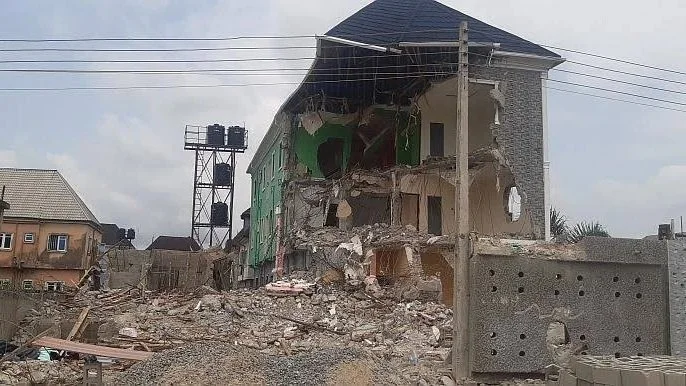
As Demolitions Rise, Lagos' Housing Crisis Worsens
Demolition exercises across Lagos are increasingly exacerbating the state's housing shortage, with urban planning experts warning that the loss of residential properties is displacing thousands of residents, tightening housing supply and contributing to rising rental costs. While authorities maintain that many demolitions are necessary to enforce planning regulations, remove distressed structures and reclaim public spaces, industry stakeholders argue that the absence of adequate replacement housing is placing additional pressure on an already constrained housing market.
/ You Might Also Like /




The growing concern comes as Lagos continues to experience rapid population growth alongside a widening housing deficit, making access to affordable accommodation increasingly difficult for low- and middle-income households.
Housing supply continues to shrink
According to housing experts cited by The Sun, demolition exercises remove existing housing units from the market without corresponding replacement, reducing the supply of available homes.
When residential buildings are demolished, displaced households immediately begin searching for alternative accommodation, increasing demand in nearby communities. This heightened competition often pushes landlords and property owners to increase rents, making housing less affordable for existing and prospective tenants.
The pressure is particularly significant in Lagos, where demand for housing already far exceeds supply due to rapid urbanisation and sustained inward migration.
Rising rents and displacement
Industry stakeholders note that demolition exercises frequently force affected families to relocate to communities farther from their workplaces and social networks.
Although accommodation in peripheral areas may be comparatively cheaper, these locations often have weaker transport links, limited public infrastructure and fewer social amenities. The result is higher commuting costs, longer travel times and increased financial pressure on households already facing rising living expenses.
Housing professionals also argue that emergency relocation leaves many families with limited bargaining power, allowing rental prices in neighbouring communities to rise sharply as demand outpaces available housing stock.
Balancing urban renewal with housing needs
Successive Lagos State administrations have maintained that demolition exercises are carried out to enforce physical planning regulations, remove illegal developments, eliminate structures posing safety risks and protect critical infrastructure such as drainage channels and power corridors.
Urban planning experts acknowledge the importance of enforcing development regulations to improve public safety and environmental resilience. However, they argue that large-scale demolition programmes should be accompanied by resettlement strategies, adequate notice and expanded affordable housing initiatives to minimise the social and economic impact on affected communities.
Implications for the housing market
For investors and developers, the reduction in housing supply may create opportunities for new residential developments. However, analysts caution that market-driven housing alone is unlikely to address affordability challenges, particularly for lower-income households.
They recommend greater investment in affordable housing, faster land administration processes and stronger partnerships between government and the private sector to increase the supply of formal housing across Lagos. Expanding urban renewal programmes alongside replacement housing could also help reduce displacement while supporting long-term city development.
Outlook
As Lagos continues to pursue urban renewal and infrastructure development, policymakers face the challenge of balancing regulatory enforcement with housing accessibility. While demolitions remain an important tool for addressing unsafe and illegal developments, housing experts argue that sustainable urban planning will require complementary investments in affordable housing and resettlement programmes to prevent further pressure on the state's already constrained housing market.
READ MORE