Rivers Tenants Call for Urgent Action on Housing Crisis in Port Harcourt and Obio/Akpor

Tenants Association Raises Alarm Over Worsening Housing Conditions in Rivers
Tenants in Rivers State have called on Governor Siminalayi Fubara to take urgent steps to address the growing housing crisis affecting residents of Port Harcourt and Obio/Akpor Local Government Areas. The appeal comes amid concerns over rising rental costs, housing shortages and increasing affordability challenges that are placing additional financial pressure on households. Tenant representatives argue that the situation requires immediate policy intervention to improve housing access, expand affordable housing supply and protect residents from escalating accommodation costs. According to the tenants, housing challenges in the state’s major urban centres continue to worsen as demand outpaces available residential supply
/ You Might Also Like /


The development highlights broader concerns about housing affordability and urban growth in one of Nigeria’s key economic and commercial hubs.
Tenants Raise Concerns Over Rising Housing Costs
The Rivers State chapter of tenant advocacy groups expressed concern over increasing rental prices and the growing difficulty many residents face in securing affordable accommodation.
According to the groups, rental costs in Port Harcourt and Obio/Akpor have risen significantly in recent years, creating financial strain for workers, families and small business operators. They argued that the combination of limited housing supply and strong demand has contributed to persistent upward pressure on rents across several residential districts.
The tenants called for government-led initiatives capable of improving affordability and increasing access to decent housing for residents.
Housing Demand Continues to Outpace Supply
Port Harcourt and Obio/Akpor remain among the fastest-growing urban areas in Rivers State due to economic activity, population growth and continued migration into the region.
Urban development experts note that rapid population expansion often increases demand for housing faster than new residential developments can be delivered. This imbalance can contribute to higher rental prices, overcrowding and limited accommodation options for low- and middle-income earners.
Tenant representatives stated that housing demand has continued to rise while supply has struggled to keep pace, creating conditions that have intensified affordability concerns.
The situation mirrors challenges observed in several major Nigerian cities experiencing rapid urbanisation.
Calls for Affordable Housing Development
Among the key demands presented by tenant groups is the expansion of affordable housing programmes targeted at middle- and lower-income households.
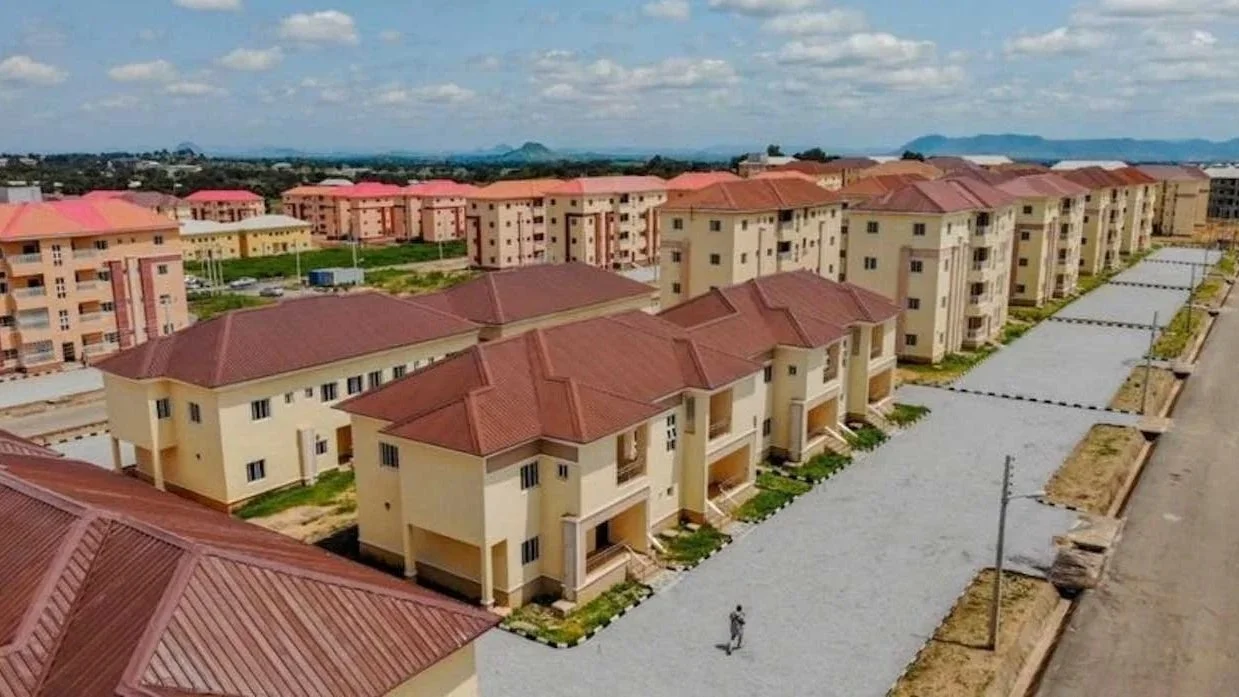
Housing experts frequently identify affordable housing investment as a critical tool for addressing housing deficits and improving living standards. Public-private partnerships, housing finance initiatives and government-supported residential developments are commonly recommended as mechanisms for increasing housing supply.
The tenants urged the Rivers State Government to prioritise housing projects capable of expanding access to affordable accommodation across urban communities.
They argued that long-term housing solutions will require coordinated policy action and sustained investment.
Housing Affordability and Cost-of-Living Pressures
The housing concerns raised by tenants come against a backdrop of broader cost-of-living challenges affecting households across Nigeria.
Accommodation costs typically represent one of the largest components of household expenditure, making housing affordability a major economic issue. Rising rents can reduce disposable income, increase financial vulnerability and limit access to adequate housing for many residents.
Economic analysts note that sustained increases in housing costs can have wider implications for labour mobility, urban productivity and social welfare.
The Rivers tenants’ appeal reflects growing concern about the impact of housing expenses on household budgets.
Importance of Housing Policy Reforms
Housing sector stakeholders continue to advocate policy reforms aimed at improving housing delivery, expanding financing options and creating a more efficient residential property market.
Experts argue that stronger planning frameworks, improved access to mortgage financing and increased private-sector participation can help address housing shortages over the long term. Effective housing policies can also encourage investment while supporting sustainable urban development.
Tenant representatives emphasised the need for policy measures capable of improving affordability and protecting residents from excessive housing costs.
The discussion adds to ongoing national debates about housing accessibility and affordability.
Urban Growth and Infrastructure Requirements
Housing development remains closely linked to broader urban planning and infrastructure investment.
Rapidly growing cities require coordinated investments in transportation, water supply, drainage systems, healthcare facilities and educational infrastructure to support expanding populations. Urban planners frequently stress the importance of integrating housing development with broader infrastructure strategies.
As Port Harcourt and Obio/Akpor continue to grow, stakeholders argue that housing delivery must be accompanied by supporting infrastructure capable of sustaining long-term development.
Balanced urban growth remains an important consideration for policymakers seeking to improve living conditions and economic competitiveness.
Implications for the Property Market
The concerns raised by tenants may also have implications for the broader property market in Rivers State.
Strong demand for housing can create opportunities for developers and investors, but affordability challenges can also affect market stability and accessibility. Real estate professionals note that sustainable housing markets require adequate supply across multiple income segments to meet diverse housing needs.
Expanding affordable housing stock could help create a more balanced market while supporting social and economic development objectives.
Industry stakeholders continue to monitor housing demand trends in Port Harcourt and surrounding areas.
Conclusion
The call by Rivers tenants for government intervention highlights growing concerns about housing affordability, rental costs and residential supply in Port Harcourt and Obio/Akpor. As urban populations continue to expand, the need for effective housing policies and increased investment in affordable residential development is becoming increasingly urgent. Housing TV Africa
Addressing the housing challenges identified by tenant groups will likely require a combination of policy reforms, infrastructure investment and expanded housing delivery. For policymakers, investors and housing stakeholders, the situation underscores the importance of developing sustainable solutions capable of improving housing access and affordability across Rivers State.
READ MORE