IMION Calls for Logistics Reform to Unlock Nigeria’s Blue Economy
IMION calls for maritime logistics reform
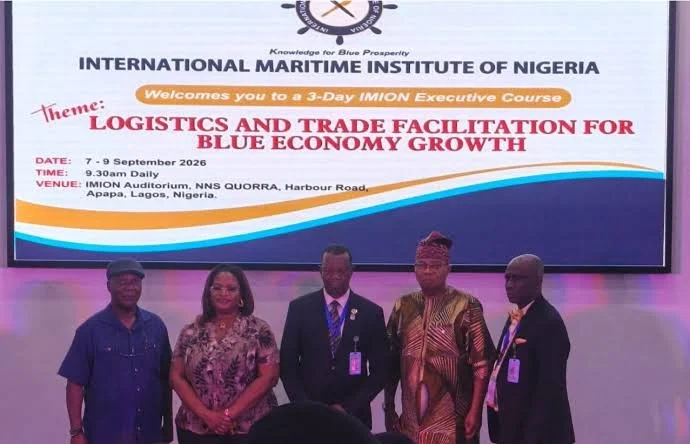
The International Maritime Institute of Nigeria has called for a major overhaul of the country’s logistics and trade facilitation systems to unlock the economic potential of its blue economy.
The institute made the call at the conclusion of a three-day Executive Course on Logistics and Trade Facilitation for Blue Economy Growth, where participants examined operational and infrastructure challenges affecting Nigeria’s maritime sector.
/ You Might Also Like /
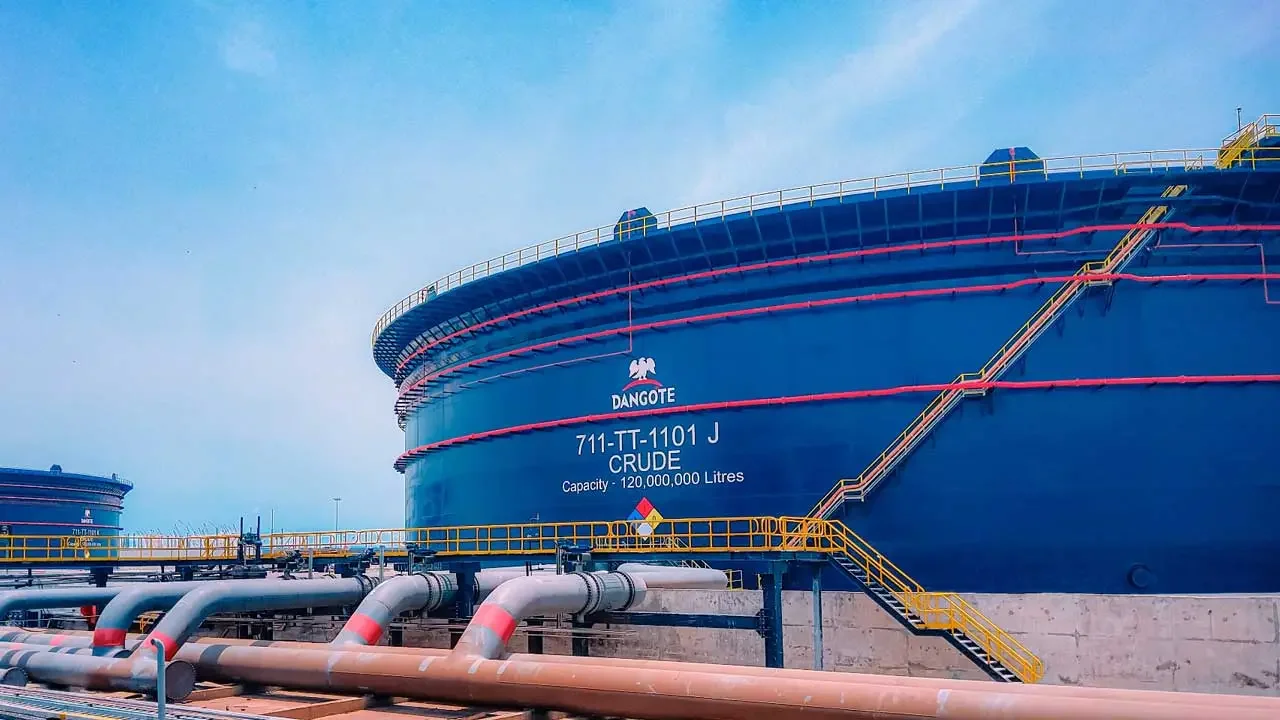
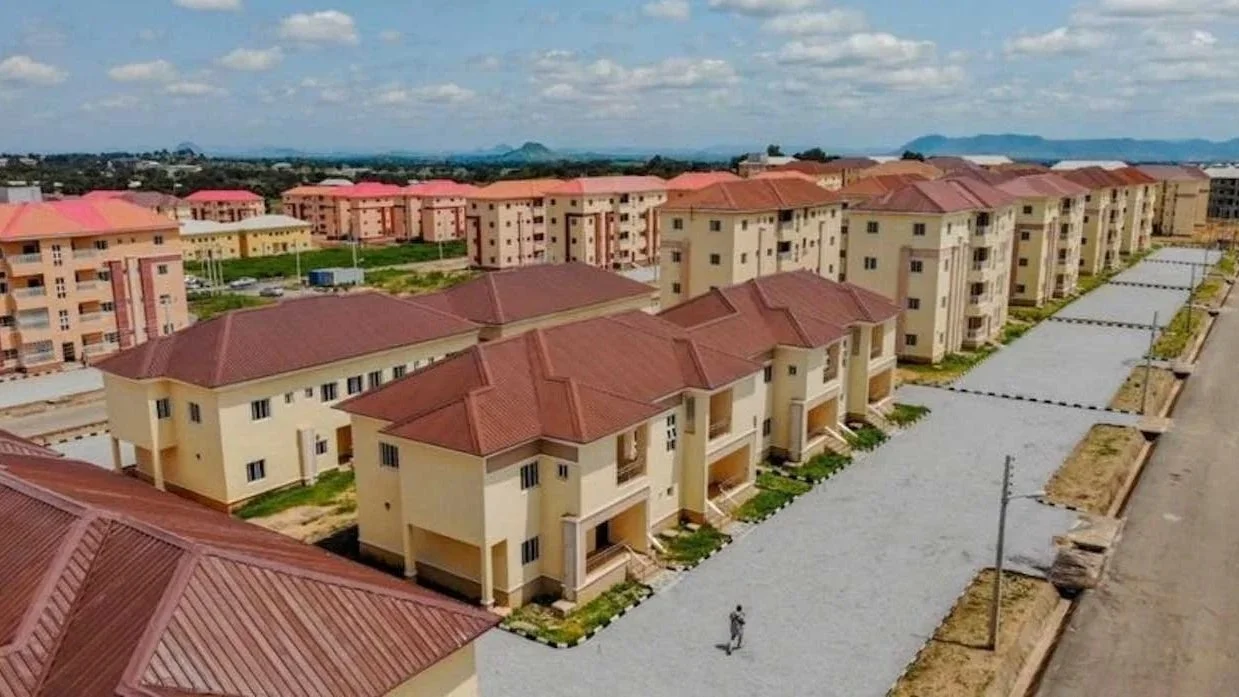

Logistics Inefficiencies Raise the Cost of Trade
The Director-General of IMION, Dr Thadeus Udofia, said Nigeria’s maritime resources would not translate into sustainable economic prosperity without fundamental reforms in logistics, trade facilitation and related infrastructure.
He identified operational inefficiencies, costly delays, high transaction costs, bureaucratic bottlenecks, inter-agency rivalry and weak intermodal connectivity as some of the factors limiting the competitiveness of Nigeria’s maritime corridors.
These challenges can increase the cost of moving goods through ports and across the country. They can also discourage investment by making delivery timelines less predictable and raising the cost of doing business.
For manufacturers, importers, exporters and logistics operators, efficient port and transport systems are essential to maintaining competitive supply chains.
Institute Calls for Better Transport Connectivity
The course also examined the need for stronger connections between different modes of transportation.
IMION highlighted multimodal integration, modern customs processes, improved port operations and seamless transport networks as important measures for reducing delays and improving the movement of goods.
Better connectivity between ports, roads, railways, inland waterways, warehouses and distribution centres could reduce pressure on individual transport corridors and improve the efficiency of national supply chains.
The issue has direct implications for industrial and logistics property because efficient transport networks influence where businesses establish warehouses, processing facilities, distribution centres and other commercial operations.
Infrastructure Gaps Limit Blue Economy Activities
The institute said infrastructure weaknesses continue to affect fisheries, aquaculture and other areas of Nigeria’s blue economy.
Although maritime development is often associated with shipping and port operations, the blue economy also includes activities linked to fisheries, marine transport, coastal tourism, aquaculture and other ocean-based resources.
The development of these activities requires supporting infrastructure such as landing facilities, cold storage, processing centres, roads, electricity, water supply and market connections.
Without such infrastructure, businesses may face higher operating costs and difficulties moving products from coastal and riverine communities to larger markets.
Collaboration Needed Across the Maritime Sector
Udofia said the development of Nigeria’s blue economy could not be achieved by one institution or sector alone.
He called for sustained collaboration among government agencies, security organisations, port authorities, regulators, investors and private-sector operators.
The institute also urged participants to promote data sharing, digital transparency and practical reforms within their organisations.
Improved coordination could reduce duplication, clarify institutional responsibilities and make trade processes more transparent for businesses operating across the maritime value chain.
Blue Economy Has Implications for Property Development
The reform proposals have implications for property development in port cities and emerging coastal communities.
Where maritime activity expands, demand may increase for warehouses, logistics parks, industrial facilities, offices, worker accommodation, hotels and supporting commercial services.
However, this demand depends on more than the presence of a port or waterway. Developers also require reliable roads, electricity, drainage, water supply, security and clear land-use planning.
Efficient maritime logistics can therefore support wider property-market activity by improving the movement of goods and encouraging businesses to establish operations near transport corridors.
Logistics Reform Could Improve Investment Conditions
High logistics costs can reduce the attractiveness of Nigeria as a destination for trade and industrial investment.
IMION warned that Nigeria could lose trade and investment opportunities to competing regional economies if transit times remain uncompetitive, logistics costs continue to rise and trade processes lack transparency and digital integration.
For property investors, these conditions affect the viability of industrial and commercial developments. Warehouses and logistics facilities are more attractive when businesses can move goods efficiently between ports, production centres and consumer markets.
Improved logistics could also increase demand for strategically located industrial land and distribution facilities along major transport routes.
Port Efficiency and Housing Demand
The maritime sector can also influence housing demand in port and logistics cities.
Expansion in shipping, warehousing, manufacturing and related services can create employment and attract workers to areas around ports and industrial corridors. This may increase demand for rental housing, serviced apartments and residential developments.
However, housing growth needs to be supported by urban planning and infrastructure. Without adequate roads, drainage, water, electricity and public services, rapid population growth around maritime centres can place pressure on existing communities.
The connection between maritime investment and housing development is therefore strongest where economic growth is accompanied by coordinated urban and infrastructure planning.
Nigeria Needs Integrated Maritime Planning
The institute’s call places emphasis on the need to treat maritime logistics, infrastructure and trade facilitation as interconnected parts of economic development.
Port expansion without efficient road and rail connections may not deliver the expected benefits. Similarly, investment in coastal economic activities may have limited impact if communities lack electricity, storage facilities, transport access and market connections.
An integrated approach would align port operations with industrial development, logistics property, housing, environmental management and public infrastructure.
Reform Implementation Will Be Critical
IMION described the blue economy as an immediate economic opportunity rather than a distant prospect, linking its development to industrialisation, job creation, regional integration and Nigeria’s participation in the African Continental Free Trade Area.
The institute’s recommendations will require practical implementation, including clearer institutional coordination, digitised trade processes, improved transport connectivity and investment in maritime infrastructure.
For Nigeria’s property and construction sectors, the outcome could influence demand for industrial land, logistics facilities, commercial property and housing in port cities and emerging economic corridors.
The broader impact will depend on whether reforms reduce transaction costs, improve delivery times and create a more predictable environment for trade and investment.
READ MORE