Rhodes-Vivour Pledges 100,000 Housing Units in Four Years for Lagos
Rhodes-Vivour proposes 100,000 housing units for Lagos
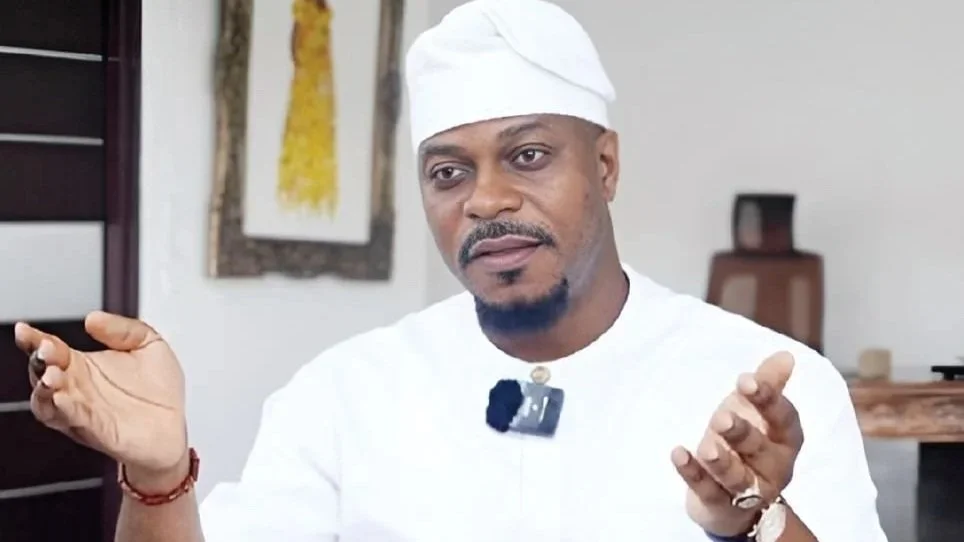
African Democratic Congress (ADC) Lagos governorship candidate Gbadebo Rhodes-Vivour has pledged to deliver 100,000 housing units within four years if elected governor in the 2027 Lagos State governorship election.
He made the proposal on Thursday at The Platform, a town hall meeting organised by The Covenant Nation in Lagos, where governorship candidates discussed their plans for the state.
/ You Might Also Like /




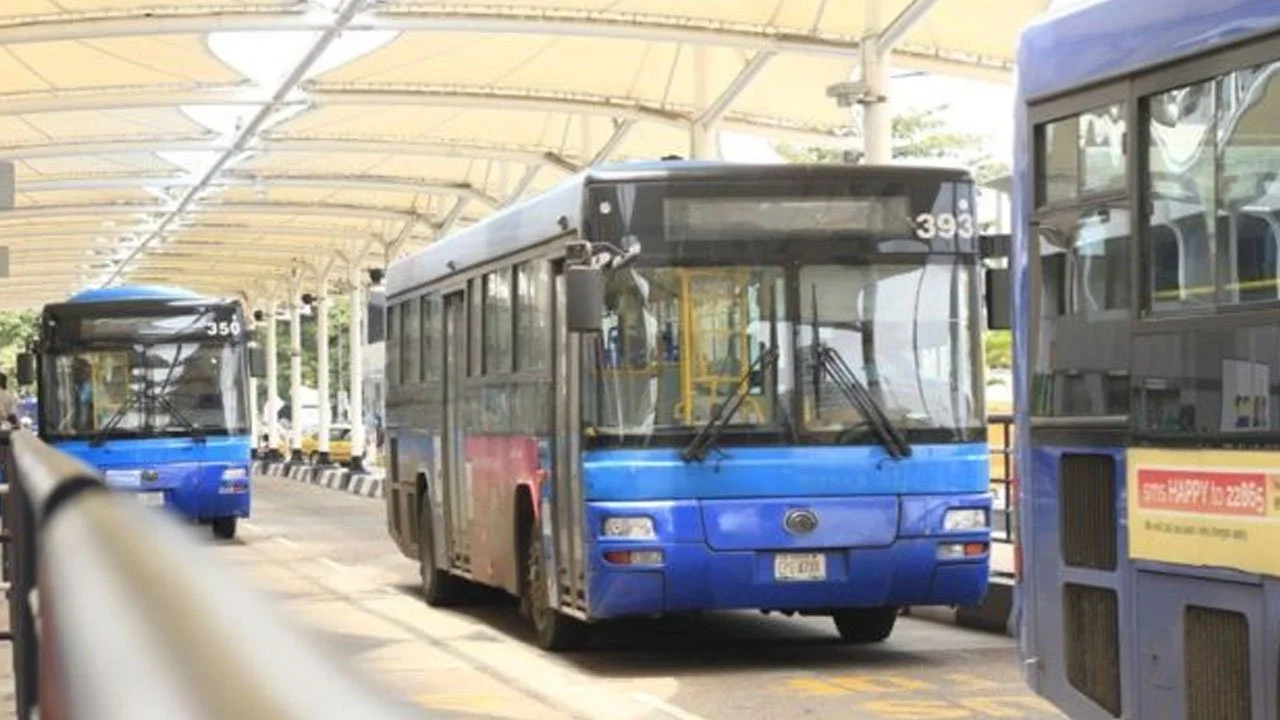
Rhodes-Vivour also proposed a multimodal and affordable transport system, arguing that housing delivery needs to be supported by improved connectivity across Lagos.
Rhodes-Vivour Proposes 100,000 Homes
Rhodes-Vivour said his proposed administration would increase Lagos' housing stock by delivering 100,000 units over a four-year term.
BusinessDay reported that the proposed homes would be designed to accommodate changes in residents' incomes and family circumstances. The candidate also proposed a monthly payment structure through which residents could build credit towards eventual homeownership.
The proposal therefore goes beyond a unit-delivery target to include a financing structure intended to spread the cost of homeownership over time.
The candidate did not, in the statements reported from the town hall, provide a detailed financing figure for the 100,000-unit programme or specify how the target would be distributed across Lagos' local government areas.
Private Sector Participation Proposed for Housing and Transport
Rhodes-Vivour said his administration would work with private-sector partners to expand housing delivery and improve transport infrastructure.
The proposal comes against a housing environment in which Lagos is already using a combination of direct government investment, joint ventures and public-private partnerships to expand supply.
For example, the Lagos State Government said in July 2026 that it was targeting completion of a 636-unit housing project at Egan before the end of the year while relying on PPP arrangements to expand housing delivery.
At the federal level, the Lagos Renewed Hope City project in Ibeju-Lekki comprises 2,084 housing units and is being delivered through a public-private partnership involving the Federal Government and private developers.
These existing arrangements provide a relevant context for evaluating the implementation structure of any future large-scale housing programme in Lagos.
Housing Finance Will Be Central to the 100,000-Unit Target
The proposed monthly payment model places housing finance at the centre of the plan.
Nigeria's latest official housing data puts the national housing deficit at 14.925 million units, with the Federal Ministry of Housing and Urban Development identifying rapid population growth, urbanisation, limited long-term housing finance, land constraints and inadequate supply among the factors contributing to the deficit.
For Lagos, the challenge is particularly significant because high land values, construction costs and transportation expenses affect the location and affordability of new housing.
A monthly payment structure could potentially make the acquisition of homes more accessible to households with regular incomes, but its implementation would depend on factors including unit prices, mortgage or credit arrangements, interest rates, repayment periods and the availability of land and infrastructure.
Skills Development Linked to Housing Construction
The ADC candidate also linked his housing proposal to employment and vocational training.
Rhodes-Vivour proposed free ward-level training in areas including tiling, bricklaying and POP installation. He said trained artisans could subsequently participate in the government's proposed housing programme and earn above the minimum wage.
BusinessDay reported that he also proposed establishing about 40 technical and vocational schools to prepare young people for trades and occupations required by the economy.
For the construction sector, such a model would connect housing delivery with the availability of skilled labour, although the scale of training and certification required would need to correspond with the proposed construction pipeline.
Transport Forms Part of the Housing Proposal
Rhodes-Vivour's housing proposal is closely linked to his transport plans.
He pledged to develop a multimodal and affordable transportation system across Lagos and said his administration would seek to complete all planned transport lines within two years through greater private-sector participation.
The connection between housing and transport is significant for Lagos because land availability and affordability often push lower-cost housing towards areas farther from major employment centres.
Improved public transport can therefore influence the viability of housing development in less central locations by reducing commuting costs and improving access to employment and services.
Lagos Housing Supply Already Combines Public and Private Delivery
Lagos has continued to use a combination of government-funded schemes and private-sector participation to increase housing supply.
The state's 2025 budget performance records included the construction of 504 LagosHOMS units at Sangotedo Phase II and other housing and infrastructure projects across the state.
The state also operates programmes aimed at improving construction skills. Its Master Craftsman Project was established to address shortages of skilled construction workers and improve productivity within the building industry.
This existing policy environment means a future administration's housing target would operate alongside established state institutions, housing schemes, land administration systems and private developers.
The Scale of the Proposed Programme
A target of 100,000 units over four years would require an average delivery rate of approximately 25,000 homes annually, or about 2,083 units every month.
That scale would require sustained access to land, construction finance, building materials, infrastructure, skilled labour and housing offtake.
The financing model would also determine whether the homes reach households that face the greatest affordability constraints. A large unit count alone would not establish affordability unless the final prices, payment terms and infrastructure costs align with the incomes of intended beneficiaries.
Housing Delivery Will Depend on Infrastructure
Housing construction in Lagos also requires supporting infrastructure, including roads, drainage, water, electricity, waste management and public transport.
Lagos' building-control framework already requires inspections and certification at different stages of construction, as well as certification for completion and fitness for habitation or use.
For investors and developers, these supporting systems affect project costs, development timelines and the attractiveness of different housing locations.
A large-scale housing programme would therefore involve more than the construction of residential structures; it would require coordinated investment in the wider urban infrastructure serving those communities.
Outlook
Rhodes-Vivour's 100,000-unit pledge adds housing supply, financing and transport connectivity to the policy agenda ahead of the 2027 Lagos governorship election.
The proposal includes a four-year delivery target, monthly payment arrangements, private-sector participation and the use of trained artisans in housing construction.
For the housing market, the key implementation questions would include the location and tenure structure of the proposed homes, the financing mechanism, affordability thresholds, land availability, infrastructure provision and the role assigned to private developers.
Those factors would determine how the proposed 100,000-unit target translates from an election-policy commitment into actual housing supply.
READ MORE