Nigeria Installs 707,765 Meters as 4.8 Million Electricity Customers Remain Unmetered
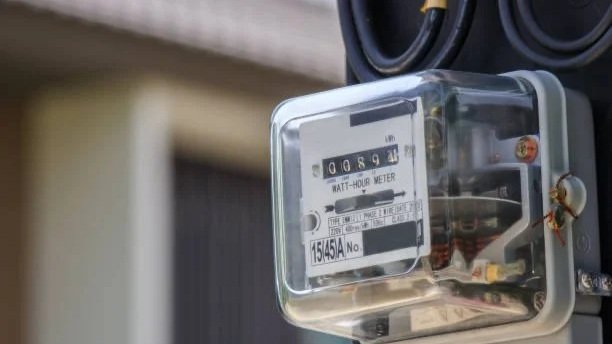
Nigeria’s electricity metering drive continues to expand
Nigeria’s electricity metering programme accelerated during the first half of 2026, with 707,765 meters installed nationwide, but more than 4.8 million active electricity customers remained without meters by the end of June.
The installation figure represents a 71% increase from the 412,792 meters installed during the corresponding period of 2025, according to data from the Nigerian Electricity Regulatory Commission (NERC)
/ You Might Also Like /




The latest figures highlight both the progress and scale of the infrastructure challenge facing Nigeria’s electricity distribution system, with metering remaining a key factor in billing transparency, revenue collection and customer confidence.
Metering Coverage Reaches 61.51%
NERC reported that 7,743,839 of the 12,589,486 active registered electricity customers across Nigeria had been metered by the end of June 2026.
This translates to a national metering rate of 61.51%, leaving approximately 4.85 million active customers without meters. NERC’s June factsheet also showed that national metering coverage increased from 60.22% in May.
The second quarter accounted for 350,270 of the meters installed during the first half, following 357,495 installations in the first quarter.
The Q2 installations represented a substantial increase from the 225,631 meters installed during the same period in 2025.
DISREP Accounts for Majority of Q2 Installations
The Distribution Sector Recovery Programme (DISREP) accounted for the largest share of the 350,270 meters installed during the second quarter.
NERC data showed that 205,486 meters, representing 58.67% of Q2 installations, were deployed under the DISREP framework. Another 123,833 meters were installed under the Meter Asset Provider (MAP) framework, while 13,028 came through the Meter Asset Finance (MAF) framework.
DisCo-financed installations accounted for 7,643 meters, while vendor-financed installations contributed 280 meters.
The distribution of installations indicates the increasing role of government-backed programmes alongside existing market-based metering frameworks.
Government Expands World Bank-Backed Meter Programme
The latest figures come as the Federal Government continues to expand its metering programme under the $500 million World Bank-financed DISREP.
The programme has been central to efforts to address Nigeria’s longstanding metering deficit and improve the financial sustainability of the electricity distribution market.
Nairametrics reported that 668,000 meters had been deployed and installed on customers’ premises under the first phase of the programme, representing about 60% of the 1.033 million meters delivered under that phase.
The programme also faced a procurement dispute earlier in 2026 involving local meter manufacturers, which temporarily affected the procurement of 1.55 million smart meters. The Federal Government subsequently announced in July that it would deploy 1.56 million meters before the end of the year after reaching an agreement with local manufacturers and resolving the dispute.
Energy Caps Remain a Safeguard for Unmetered Customers
The continued existence of millions of unmetered customers also means that regulatory measures remain important in protecting consumers from excessive estimated billing.
NERC said it continues to apply monthly energy caps for unmetered customers in states where the relevant arrangements have not yet transitioned.
The caps establish the maximum amount of energy that can be billed to an unmetered customer in a given month, with calculations based on energy received by each distribution company and consumption recorded by metered customers on the relevant feeders.
The mechanism is designed to limit billing exposure for customers while distribution companies continue to expand metering coverage.
Metering Gap Remains a Wider Infrastructure Challenge
Although the 71% year-on-year increase in installations represents faster progress, the remaining 4.8 million unmetered customers show that the scale of the challenge remains significant.
Metering is closely connected to the broader performance of Nigeria’s electricity distribution infrastructure. Accurate measurement of consumption can improve billing transparency and provide distribution companies with better information for revenue management and network planning.
For businesses, developers and property owners, electricity reliability and predictable utility costs also influence the viability and operating costs of residential, commercial and industrial developments.
Implications for Housing and Real Estate
The metering gap has a direct infrastructure dimension for Nigeria’s housing market.
Large residential developments, estates and mixed-use projects increasingly depend on reliable electricity infrastructure as part of their operating model. Where grid supply and individual customer metering remain weak, developers and property managers may face additional costs associated with alternative power supply, energy management and estate-level utility administration.
Improved metering could therefore support more transparent utility arrangements within housing developments while helping property operators better account for electricity consumption.
For investors, the wider issue extends beyond the number of meters installed. The effectiveness of the programme will depend on whether improved metering is accompanied by stronger distribution networks, reliable electricity supply and financially sustainable DisCo operations.
Closing the Gap Will Require Sustained Investment
NERC's latest data shows that Nigeria has made measurable progress in expanding electricity metering, with national coverage reaching 61.51% by June 2026.
However, approximately 4.85 million active customers still lacked meters at the end of the period. Closing that gap will require continued investment, efficient deployment, stronger distribution infrastructure and sustained coordination between government, regulators, DisCos, manufacturers and financing institutions.
For Nigeria's broader infrastructure and property markets, the outcome will be significant: a more comprehensively metered electricity system could improve billing transparency while supporting more predictable utility management across homes, businesses and new developments.
READ MORE