Lagos Residents Urge FG to Halt Ikoyi Land Reclamation Over Flooding Fears
Residents Call for Probe into Ikoyi Lagoon Reclamation Project
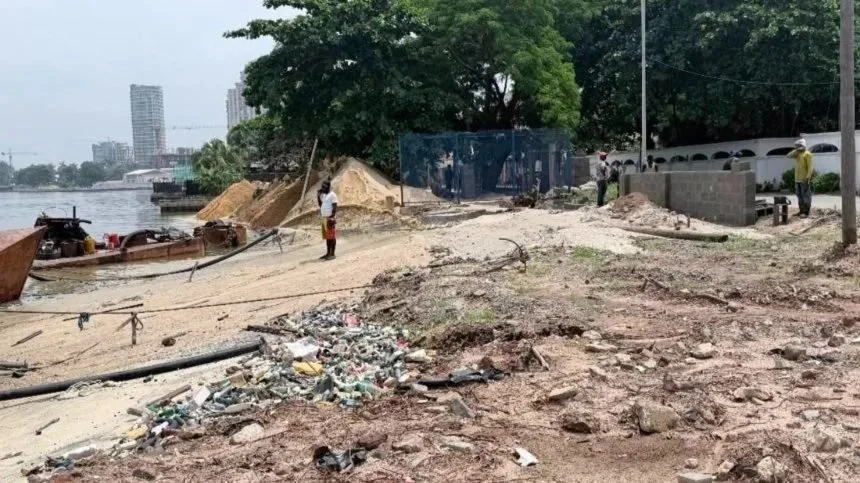
Residents of Oyinkan Abayomi Drive in Ikoyi, Lagos State, have appealed to the Federal Government to suspend an ongoing lagoon reclamation project, alleging that the development has intensified flooding, disrupted natural water flow and created environmental challenges within the neighbourhood. The residents are calling for an immediate investigation into the project and the introduction of measures to protect surrounding communities before reclamation activities continue.
/ You Might Also Like /




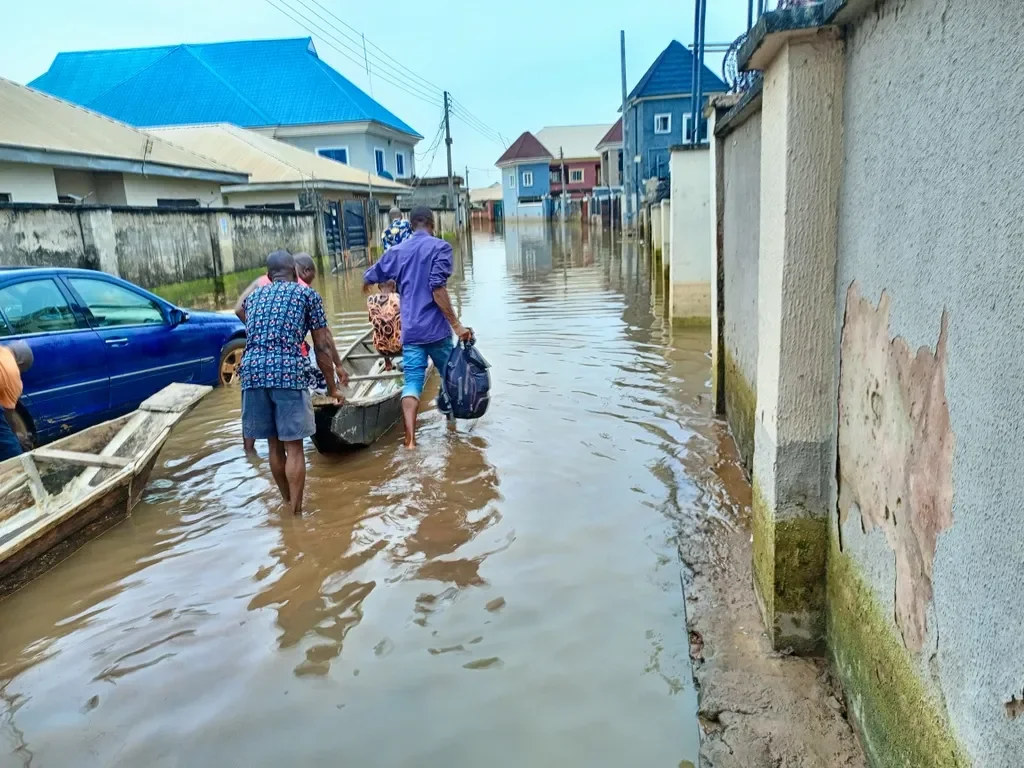
According to residents, continuous sand-filling of the lagoon has obstructed existing drainage channels, causing canals to overflow into residential compounds during periods of heavy rainfall. They also raised concerns about persistent noise from round-the-clock dredging operations, arguing that the project is negatively affecting public health, safety and quality of life.
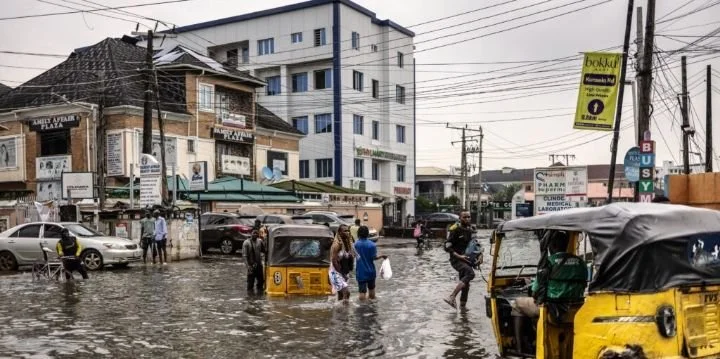
Residents Link Reclamation to Increased Flooding
Residents say the area had not experienced flooding of its current magnitude before reclamation activities commenced.
They allege that the alteration of the lagoon's natural hydrological system has reduced the free flow of water, resulting in floodwater entering homes after rainfall. Some homeowners reported damage to residential properties, including bedrooms, bathrooms and living areas, while others said they have had to remove floodwater manually following recent downpours.
Community representatives argued that although the reclamation project may have been presented as a flood management initiative, its implementation has, in their view, produced the opposite effect by increasing flood risks within the neighbourhood.
Calls for Government Intervention
The affected residents are urging both the Federal Government and the Lagos State Government to review the environmental impact of the reclamation works.
They have requested that authorities suspend further land reclamation until independent assessments are carried out to determine whether the project complies with environmental regulations and incorporates adequate flood mitigation measures.
Residents also called for engagement with host communities to ensure that infrastructure projects balance development objectives with environmental protection and public safety.
Environmental Concerns Extend Beyond Flooding
Beyond flooding, residents expressed concern over the environmental effects of continuous dredging operations.
They reported that construction activities operate throughout the day and night, creating persistent noise pollution that has affected daily life within the community. Residents also questioned whether sufficient environmental impact assessments were undertaken before reclamation activities commenced.
Environmental experts have long maintained that large-scale reclamation projects require detailed hydrological studies, continuous monitoring and robust drainage infrastructure to minimise unintended impacts on surrounding communities.
Land Reclamation and Urban Development
Land reclamation has become an increasingly important component of urban expansion in Lagos, where pressure on available land continues to grow due to rapid population increase and commercial development.
Major reclamation projects have contributed to expanding land available for residential, commercial and mixed-use developments. However, such projects have also generated debate regarding their environmental implications, particularly in coastal communities vulnerable to flooding, erosion and changing water patterns.
Urban planning specialists note that sustainable waterfront development depends on comprehensive environmental assessments, effective drainage systems and compliance with regulatory standards that protect surrounding ecosystems and communities.
Implications for Housing and Real Estate
The dispute highlights the increasing importance of integrating environmental resilience into housing and infrastructure planning.
Flood risk remains a critical consideration for property developers, investors, insurers and homeowners, particularly in high-value coastal locations such as Ikoyi. Projects that alter natural waterways without adequate mitigation measures may expose nearby communities to higher environmental and financial risks.
For the real estate sector, the situation underscores the need for rigorous environmental due diligence, transparent planning processes and infrastructure capable of supporting long-term urban resilience.
Looking Ahead
The appeal by Ikoyi residents places renewed attention on the relationship between urban development, environmental sustainability and flood management in Lagos. While land reclamation remains an important tool for expanding developable land in a rapidly growing city, residents argue that such projects must not compromise existing communities or increase environmental risks.
As authorities consider the concerns raised, stakeholders across the housing, construction and planning sectors will be watching closely for any regulatory response. The outcome could influence future approaches to waterfront development, environmental compliance and climate-resilient urban planning in Lagos and other coastal cities across Nigeria.
READ MORE