Lagos Rental Demand Driven by Migration, Jobs and Housing Shortage
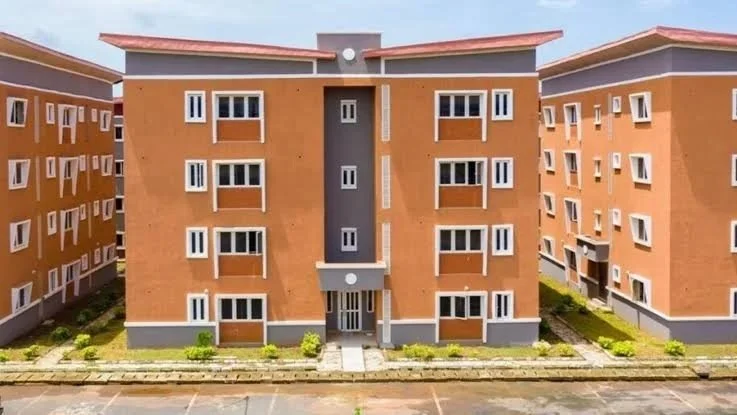
Lagos rental demand remains strong amid housing shortages
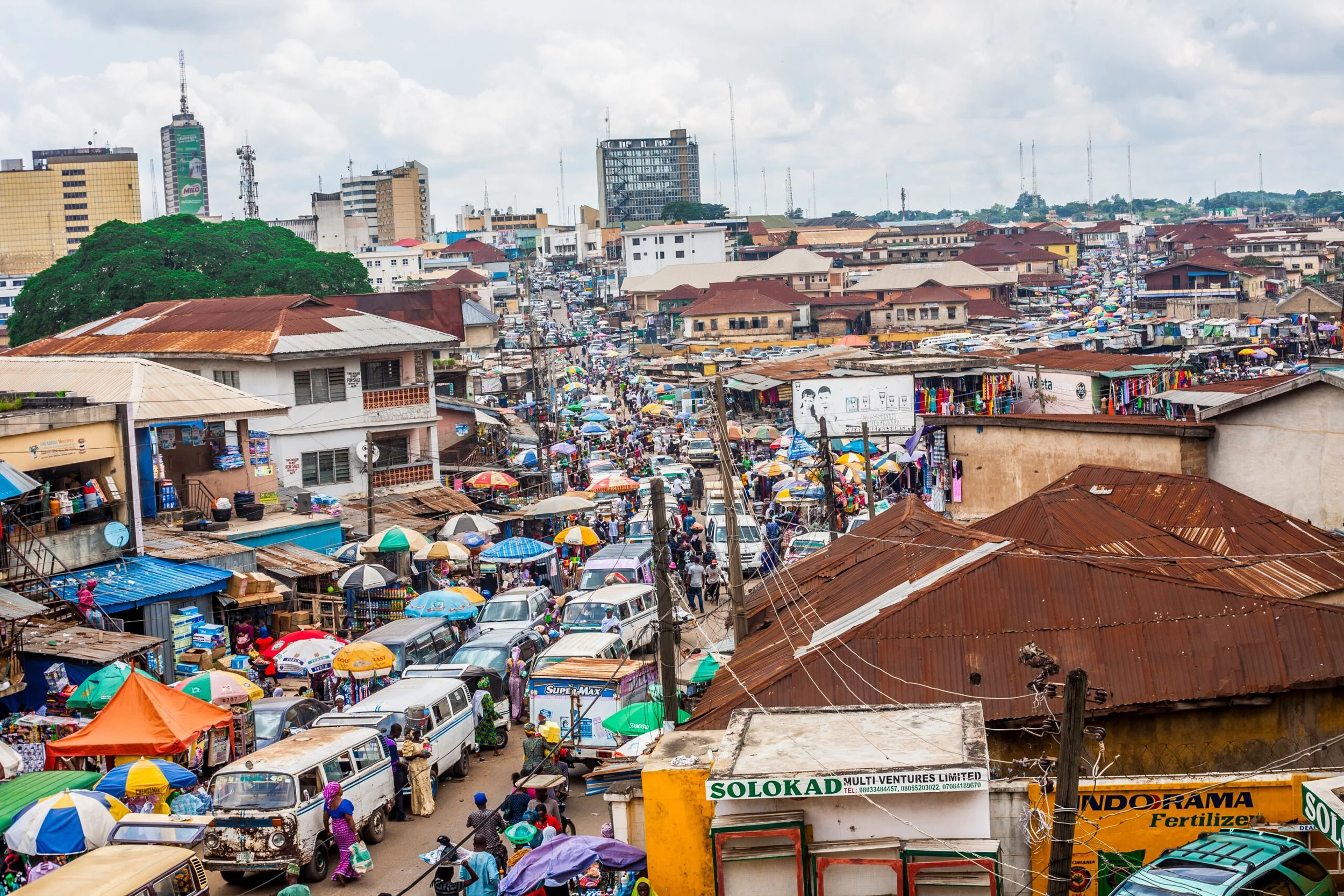
Lagos remains Nigeria’s strongest rental housing market as population growth, rural-to-urban migration, concentration of economic activity and a shortage of affordable homes continue to drive demand for rented accommodation.
A BusinessDay report published on August 17, 2026, identifies Lagos as the country’s rental-demand epicentre, noting that the pressure goes beyond population growth. The city attracts workers, entrepreneurs, students and businesses seeking access to employment and economic opportunities, while limited land availability continues to constrain housing supply.
/ You Might Also Like /




Housing shortage intensifies rental demand
Lagos occupies about 3,577 square kilometres, with roughly one-third of its land area covered by water. The resulting land constraints, combined with population growth, have contributed to a housing deficit that independent estimates cited by BusinessDay put at more than 3.3 million units, with the largest shortages concentrated in affordable and middle-income housing.
The Lagos metropolitan area has a population of more than 20 million and is growing at nearly 3.8 percent annually, according to figures cited in the report.
As more people move into the city, many new residents initially rely on rental accommodation because they cannot immediately afford to purchase homes.
Employment opportunities sustain demand
Lagos hosts major concentrations of Nigeria's financial, technology, entertainment, logistics and trading activities.
This concentration of economic opportunities continues to attract young professionals, entrepreneurs and skilled workers from other parts of the country.
The resulting demand is particularly strong for homes located within reasonable commuting distance of employment centres.
BusinessDay cited Lagos Deputy Governor Obafemi Hamzat as saying that about 6,000 people arrive in Lagos daily, with roughly half remaining in the city. The figure illustrates the scale of migration pressure, although it remains an official statement rather than a population census measurement.
Majority of residents rent homes
The structure of Lagos' housing market also contributes to sustained rental demand.
According to a report by Pison Housing Company cited by BusinessDay, about 80 percent of Lagos residents live in rented accommodation, with tenants spending more than 50 percent of their income on rent.
The figures highlight the gap between housing demand and household purchasing power.
For many households, renting remains the more accessible option because purchasing a home requires significant upfront capital and access to mortgage financing remains limited.
However, the high proportion of income allocated to rent also points to the affordability pressures facing tenants across the state.
Housing supply remains a policy challenge
Strong rental demand creates opportunities for property developers and investors, but it also places pressure on the Lagos State Government to expand housing supply.
The state operates several institutions involved in housing delivery and regulation, including the Lagos State Development and Property Corporation, Lagos State Mortgage Board and Lagos State Real Estate Regulatory Authority.
These agencies play different roles in housing development, mortgage access and regulation of the real estate market.
Lagos adds more housing units
The state government has continued to increase its housing stock through direct government funding and public-private partnerships.
BusinessDay reported that Lagos delivered 420 units at the Akinsanya Sunny Ajose Estate Phase 1 in 2025, alongside 233 housing units at Abraham Adesanya Housing Estate through a joint venture arrangement.
Lagos Commissioner for Housing Moruf Fatai-Akinderu said the state's direct budget-funded housing initiatives had produced 4,414 units, while public-private partnerships had contributed another 6,209 units.
Together, the two channels added 10,623 housing units to the state's housing stock over seven years, according to the commissioner.
Five housing schemes remain under development
The state also has five housing schemes under construction through budgetary allocations.
They include the Egan-Igando Mixed Housing Scheme, which has 576 units planned for completion before the end of 2026, and LagosHOMS Sangotedo Phase 2, comprising 528 units.
Other projects include the Epe Housing Scheme with 112 units, LagosHOMS Ibeshe Phase 2 with 192 units and Workers' Village Ipaja, which will provide 176 two-bedroom flats.
The projects will add to housing supply, although their combined output remains small relative to the scale of rental demand generated by Lagos' population and economic growth.
Rental demand creates investment opportunities
Persistent demand has made Lagos attractive to landlords and real estate investors.
Properties located near employment centres, transport corridors, educational institutions and commercial districts can benefit from a large pool of prospective tenants.
However, sustained rental demand does not eliminate investment risks. Rising construction costs, land prices, infrastructure gaps, maintenance expenses and affordability constraints can affect rental yields and the ability of tenants to absorb further rent increases.
For developers, the more significant opportunity may lie in increasing the supply of affordable and middle-income housing rather than focusing solely on higher-priced rental properties.
Affordability remains a critical concern
The strength of Lagos' rental market also exposes one of the city's biggest housing challenges: demand continues to grow faster than many households' ability to afford decent accommodation.
When housing supply remains constrained while population and employment opportunities expand, rental pressure can increase.
Addressing the challenge therefore requires more than increasing the number of housing units. It also requires access to affordable finance, lower development costs, improved transport infrastructure and better land-use planning.
Outlook
Lagos is likely to remain Nigeria's largest rental housing market as long as it continues to attract people and businesses at its current scale.
The combination of migration, employment opportunities, limited developable land and a large population of tenants will continue to support rental demand.
For policymakers, the challenge is to increase housing supply at a pace that can accommodate population growth while improving affordability. For developers and investors, the market presents opportunities, but long-term returns will increasingly depend on delivering housing that matches the income levels and location preferences of Lagos residents.
READ MORE