Nigeria’s Real Estate Market Faces Correction Risks as Costs and Rents Surge
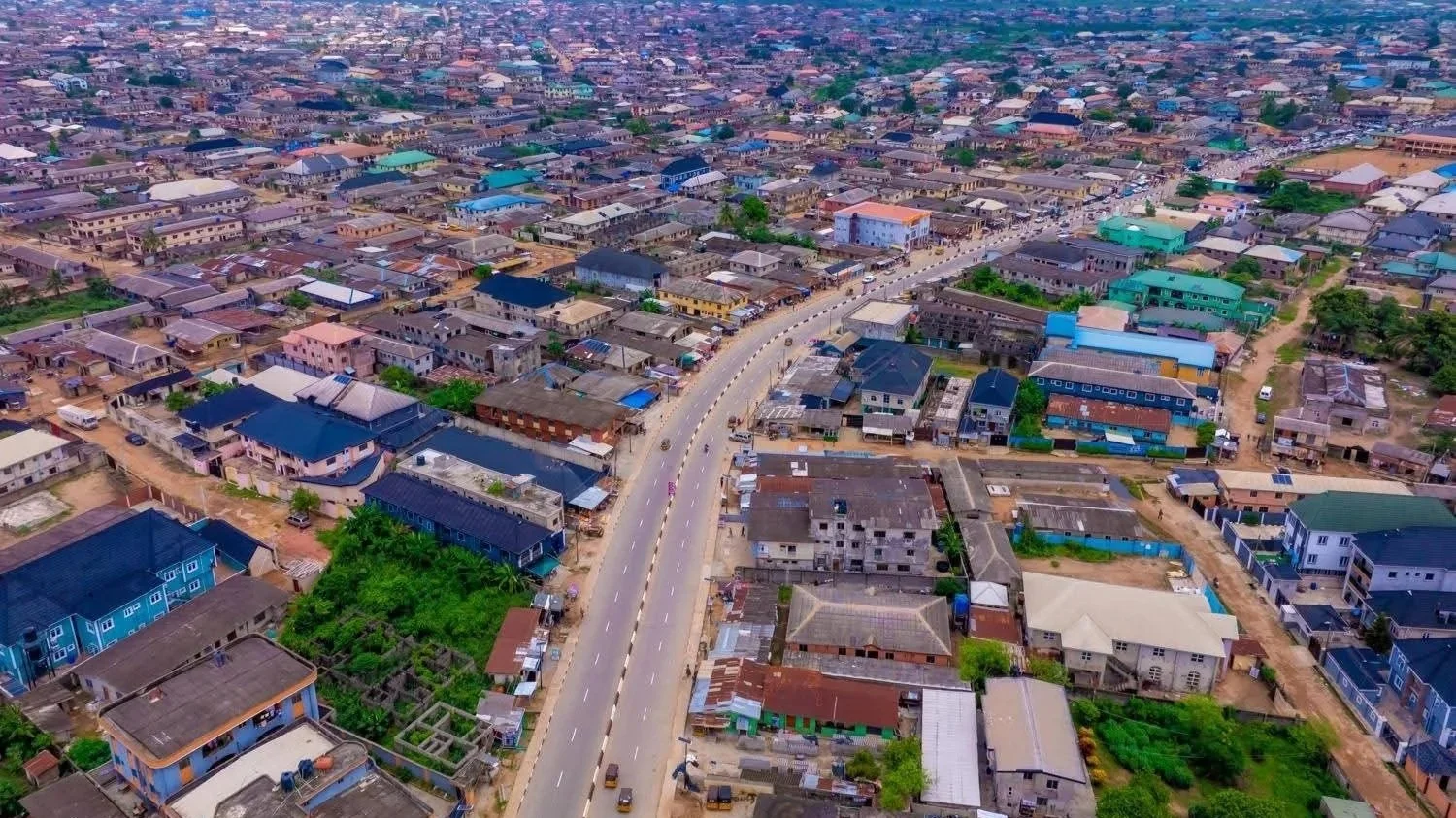
Nigeria’s real estate market is facing growing pressure from sharply higher construction costs, rising rents and weakening affordability, with analysts warning that persistent imbalances between property prices and household incomes could trigger a market correction.
The concerns come as construction costs have reportedly doubled over the past two years, while rents in some major urban markets have increased by as much as 200 percent. Analysts cited by BusinessDay say the widening gap between property prices and purchasing power is creating conditions that could put parts of the market under significant pressure
/ You Might Also Like /




Construction costs put pressure on property prices
The cost of developing residential property has increased substantially as prices of major construction materials continue to rise.
BusinessDay reported that cement prices have moved from about ₦7,500 in the last quarter of 2024 to between ₦12,000 and ₦15,000, while blocks have risen from ₦600 to ₦1,100.
The report also put the cost of 30 tonnes of sand at ₦250,000, compared with ₦165,000 previously, while granite increased from ₦530,000 to ₦780,000. Reinforcement steel reportedly rose from ₦850,000 to ₦1.15 million per tonne.
These increases are raising the amount developers need to complete projects and putting additional pressure on property prices.
Rental affordability deteriorates
The pressure is also evident in the rental market.
BusinessDay reported that Nigeria's rent-to-income ratio has reached about 70 percent, more than twice the 30 percent benchmark associated with housing affordability.
In Lagos, rents have reportedly increased by as much as 200 percent over the past two years in some areas, with two-bedroom apartments averaging about ₦2.5 million annually.
Higher rents have made homeownership more difficult for households that cannot raise the capital required to purchase property, pushing more people towards the rental market.
The result is a difficult situation in which households face higher rental costs while prospective homeowners contend with increasingly expensive construction and property prices.
Analysts warn of possible market correction
Bismarck Rewane, chief executive officer of Financial Derivatives Company, said the real estate market could face a correction because of oversupply in some major cities.
Speaking at a Financial Derivatives Company and Lagos Business School breakfast session in August 2026, Rewane identified Lagos, Abuja and Port Harcourt among the markets where overbuilding could contribute to excess inventory.
He also pointed to rising rental costs, affordability pressures, mortgage defaults and growing delinquency as factors that could put downward pressure on property prices.
The warning does not mean that property prices will necessarily decline across Nigeria. Real estate markets differ significantly by location, property type, income segment and level of demand.
Developers face difficult project economics
Rising construction costs are also changing the economics of property development.
Dimeji Aluko, an estate surveyor and valuer, said persistent increases in building costs are making financial planning more difficult for developers.
Projects that were financially viable when construction began can become more expensive to complete as material and labour costs rise.
Developers may respond by delaying projects, reducing their scope, seeking additional financing or transferring higher costs to buyers through increased selling prices.
These responses can further limit the supply of housing that households can afford.
Affordability gap remains a central concern
The current market pressures reflect a wider mismatch between housing costs and household incomes.
When property prices and rents rise faster than incomes, fewer households can afford to purchase or rent homes in locations close to employment and essential services.
For developers, however, reducing prices can also be difficult when land, construction materials, financing and infrastructure costs continue to rise.
This creates a difficult balance for the industry: developers need sufficient returns to justify new construction, while households need prices that reflect their purchasing power.
Market correction could affect different segments differently
Any potential correction would not necessarily affect every part of Nigeria's real estate market equally.
High-priced properties in locations experiencing oversupply could face greater pressure if buyers and tenants become less able to absorb further price increases.
Conversely, housing in areas with strong population growth, employment opportunities and limited supply could continue to experience strong demand.
The distinction is important for investors because property performance depends heavily on location, demand fundamentals, rental income and the cost of replacing existing housing stock.
Implications for housing investment
For investors and policymakers, the current conditions highlight the need to distinguish between rising property prices and genuine improvements in market value.
A market driven primarily by higher construction costs can support higher asking prices without necessarily improving affordability or investment returns.
Investors therefore need to consider rental yields, vacancy rates, household incomes, development costs and financing conditions alongside headline property-price growth.
For policymakers, improving access to affordable housing will require measures that address both supply-side costs and household purchasing power.
Outlook
Nigeria's real estate market is entering a period in which rising costs and affordability pressures could increasingly test property valuations and development models.
Analysts' warnings about a possible correction underline the risks created by excessive price growth, oversupply in some locations and declining affordability.
However, the market remains highly segmented, meaning the impact of any correction will depend on location, property type and the balance between supply and demand.
For the housing sector, the longer-term priority remains expanding supply while reducing development costs and improving access to housing finance. These factors will be critical to ensuring that future growth in Nigeria's property market is supported by sustainable demand rather than rapidly rising prices alone.
READ MORE