Cross River Floods and Mudslides Displace 347, Raise Housing Safety Concerns
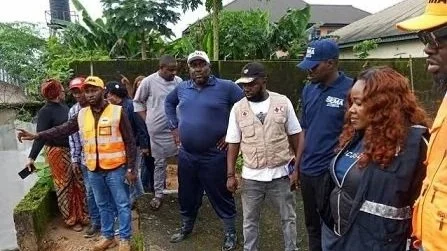
Flooding displaces residents in Cross River
No fewer than 347 people have been displaced following floods and mudslides in parts of Cross River State, exposing the growing risks that flooding and inadequate environmental management pose to residential communities.
The Cross River State Emergency Management Agency (CR-SEMA) said 167 people were rendered homeless by a mudslide in Calabar, while another 180 were displaced by heavy rainfall in communities across the Central Senatorial District.
/ You Might Also Like /


The agency said the affected residents are currently being sheltered at various locations in Calabar and parts of the Central Senatorial District.
The incidents occurred during heavy rainfall in August and add to wider concerns about the ability of communities and infrastructure to withstand extreme weather events.
Mudslide Leaves 167 People Homeless in Calabar
According to CR-SEMA Director-General Efa Nyong, the 347 displaced persons comprise two major groups.
A mudslide in Calabar rendered 167 people homeless, while heavy rainfall displaced about 180 others in the Central Senatorial District.
Nyong said the agency had assessed affected communities and was working with relevant authorities and humanitarian organisations to provide support to those displaced.
The Nigerian Red Cross Society is among the organisations providing shelter, while government and private donors have supplied relief materials and financial assistance to support the affected residents.
Flooding Highlights Risks to Residential Communities
The latest incidents demonstrate how environmental hazards can quickly translate into housing and displacement challenges.
Flooding and landslides can damage or destroy homes, roads, electricity infrastructure, water networks and drainage systems. Once supporting infrastructure fails, even buildings that remain structurally intact can become difficult or unsafe to occupy.
Earlier assessments of the August disasters in Calabar reported damage to buildings, roads, electricity poles and underground water infrastructure. The International Federation of Red Cross and Red Crescent Societies also reported deaths and injuries during the flooding and landslide incidents.
For developers and property owners, the incidents underline the importance of assessing flood and erosion risks before developing or purchasing land.
SEMA Links Flooding to Natural and Human Factors
Nyong attributed the disasters to both natural occurrences and human activities.
He specifically identified indiscriminate waste disposal as a major contributor to flooding, warning that refuse dumped in one location can obstruct drainage systems and create flooding problems several kilometres away.
The agency has begun sensitisation campaigns in affected areas and plans to extend the programme to other parts of Cross River. A wider state-wide campaign is expected to use billboards, radio jingles and town criers to promote disaster prevention.
The warning reinforces the importance of treating drainage and waste management as part of housing and urban development rather than as separate environmental issues.
Drainage and Land-Use Planning Remain Critical
The Cross River incidents also highlight the relationship between land-use decisions and disaster resilience.
Residential development in areas exposed to flooding, erosion or unstable terrain can increase the potential for property damage and displacement when extreme rainfall occurs.
Effective physical planning should therefore consider natural drainage patterns, terrain, flood exposure and the capacity of existing infrastructure before new communities are approved or expanded.
For established communities, investment in drainage rehabilitation, waste management, erosion control, road infrastructure and stormwater management can help reduce vulnerability.
Housing Resilience Requires More Than Building Homes
The displacement in Cross River also reinforces the wider argument that housing delivery should be measured by more than the number of units constructed.
A residential development requires reliable drainage, roads, water, electricity, sanitation and other infrastructure to remain functional during adverse weather conditions.
This is particularly important as Nigerian cities and communities experience increasing pressure from population growth and urban expansion.
Building homes in locations where supporting infrastructure cannot adequately manage rainfall or environmental risks could leave households exposed to repeated losses and displacement.
Emergency Response and Resettlement Remain Important
CR-SEMA said its response structure begins with Local Emergency Management Committees, with cases beyond their capacity escalated to the state agency and subsequently to the National Emergency Management Agency where necessary.
The agency said relief materials and financial assistance had been received from government and private donors as efforts continue to stabilise and resettle affected residents.
Beyond immediate relief, however, long-term recovery will require attention to the condition and safety of affected homes and infrastructure.
Where communities face recurring flood or landslide risks, rebuilding without addressing the underlying environmental and infrastructure problems could expose residents to repeated displacement.
Implications for Property Development in Cross River
For the property market, the incidents reinforce the need for stronger environmental due diligence and climate-resilient development.
Developers and investors assessing land in Cross River will need to consider drainage, terrain, flood history, road access and the capacity of surrounding infrastructure alongside conventional property-market factors.
The issue is also relevant to public authorities responsible for planning new residential areas and upgrading existing settlements. Infrastructure investment that improves drainage and flood management can protect existing housing stock while making communities more resilient to future rainfall events.
The 347 people displaced in the latest incidents therefore represent more than an emergency-response figure. The situation highlights the importance of integrating disaster-risk management, environmental planning and infrastructure investment into Nigeria's approach to housing and urban development.
READ MORE