Over 150 African Oil and Gas Projects Stalled as Investment Retreat Deepens
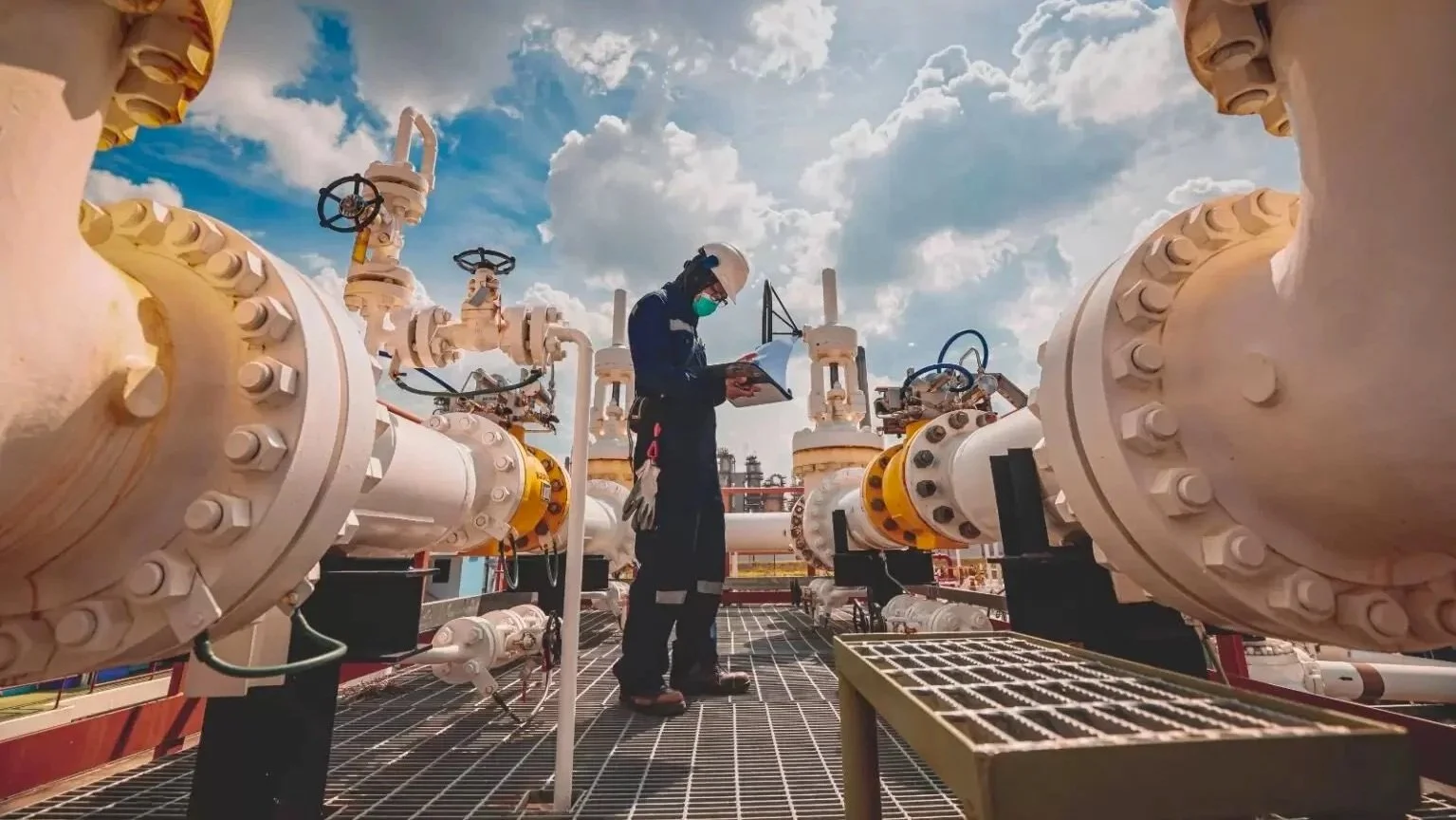
Over 150 African energy projects face investment delays
More than 150 oil and gas projects across Africa have stalled amid declining investment in the continent’s energy sector, raising concerns over energy access, industrial development and economic growth.
The Chairman of the Independent Petroleum Producers Group (IPPG), Adegbite Falade, disclosed this at Africa Oil Week 2026 in Accra, Ghana, where he warned that the retreat of capital was occurring despite Africa’s substantial oil and gas resources and persistent energy deficit.
/ You Might Also Like /




The development is relevant to Nigeria’s housing and property market because reliable energy infrastructure remains a critical requirement for residential development, construction activity, industrial expansion and the operation of existing communities.
Investment Retreat Threatens African Energy Development
Falade said more than 150 essential oil and gas projects had stalled across the continent as international capital markets and development finance institutions increasingly pull back from African energy projects.
He said the situation threatens jobs, energy security and economic transformation while depriving African economies of potential revenue and industrialisation opportunities.
Africa attracted only about two per cent of global renewable energy investment last year, according to figures cited by Falade, while investment in its oil and gas industry has also struggled to keep pace with the continent’s development needs.
The IPPG chairman argued that the investment gap was particularly concerning because millions of Africans still lack reliable access to electricity.
Africa Has Large Reserves but Limited Energy Access
Africa has more than 125 billion barrels of proven oil reserves and about 620 trillion cubic feet of proven natural gas reserves, according to figures cited at the conference.
Despite these resources, the continent continues to face significant energy poverty.
Falade said about 600 million Africans remain without electricity, while Africa continues to attract only a small share of global upstream investment.
The contrast between substantial natural resources and limited access to reliable energy highlights the infrastructure and financing challenges facing the continent.
For Nigeria, the issue is particularly significant because the country is among Africa’s major holders of natural gas resources and continues to seek greater investment in gas processing, transportation, power generation and industrial applications.
IPPG Calls for Stable Investment Environment
Falade urged African governments to restore investor confidence by providing stable fiscal terms, faster regulatory approvals and greater certainty around contracts.
He also called for measures to reduce project risks and make major energy developments more attractive to investors.
According to him, Africa needs a financing framework that recognises the continent’s development requirements while giving investors sufficient confidence to commit capital over the long term.
The call comes as international energy investors increasingly assess projects against changing climate policies, financing requirements and expectations around emissions.
Gas Seen as Critical to Africa’s Energy Transition
Falade argued that Africa should not approach its energy transition as a choice between hydrocarbons and renewable energy.
Instead, he called for greater use of natural gas alongside renewable energy to improve electricity access and support industrial development.
He specifically pointed to the potential for gas to support power generation, manufacturing, fertiliser production and other industrial activities.
This approach is particularly relevant to Nigeria, where inadequate electricity supply remains a major constraint on businesses and households.
Greater investment in domestic gas infrastructure could improve the availability of gas for power generation and industrial users, provided the necessary pipelines, processing facilities and electricity infrastructure are developed alongside production.
Energy Infrastructure Has Direct Housing Implications
Reliable energy is increasingly important to the performance of Nigeria’s housing market.
Modern residential developments require electricity for water pumping, security systems, lifts, lighting, cooling, communications and other essential services.
Where public electricity supply remains unreliable, developers and residents often have to depend on generators, inverters, solar systems and other backup arrangements.
These alternatives add to development and operating costs.
For residential estates, higher energy costs can also increase service charges, making some developments less affordable for households.
A wider energy investment gap could therefore create additional challenges for housing developers if electricity and gas infrastructure fail to keep pace with urban growth.
Investment Shortfalls Could Affect Construction Costs
The consequences of limited energy investment extend into the construction sector.
Manufacturers of cement, steel, glass, tiles and other building materials depend on reliable and affordable energy to maintain production.
Transport and logistics operations also rely heavily on energy.
When energy costs increase or supply becomes unreliable, manufacturers and suppliers can pass additional costs through the construction value chain.
Developers ultimately face higher project costs, which can affect the price of new homes.
Greater investment in energy infrastructure could therefore have a multiplier effect across the housing sector by improving industrial productivity and reducing some of the operating costs associated with construction and property development.
Gas Infrastructure Remains a Major Investment Opportunity
The IPPG chairman identified gas infrastructure as one of the areas requiring significant investment.
Africa has considerably less gas pipeline infrastructure than major developed markets, despite its large reserves.
The lack of pipelines and processing infrastructure means that significant volumes of gas cannot easily reach power plants, industrial users and households.
For Nigeria, expanding gas infrastructure could support new industrial and residential development corridors by improving energy availability.
However, the investment must extend beyond extraction. Pipelines, processing facilities, power plants and distribution infrastructure are all required to convert natural resources into reliable energy for consumers and businesses.
Indigenous Operators Could Play a Bigger Role
Falade also highlighted Nigeria’s experience with the growth of indigenous oil and gas companies.
He noted that indigenous operators accounted for only about three per cent of participation in the Nigerian oil and gas industry three decades ago but have since expanded significantly.
The growth of local operators demonstrates the potential for domestic companies to participate more actively in the development of Africa’s energy resources.
Greater participation by African companies could also help retain more investment, expertise and economic value within the continent.
For Nigeria, stronger indigenous participation could support local supply chains, employment and investment across energy-related industries.
Housing Development Depends on Broader Economic Growth
The potential impact of the African energy investment gap goes beyond the oil and gas sector.
Energy investment can generate employment, stimulate industrial activity and create demand for housing around new economic centres.
When energy projects move forward, they can support workers, contractors, service providers and businesses that require residential and commercial property.
Conversely, prolonged project delays can reduce investment activity and limit the development of supporting infrastructure in areas expected to benefit from energy-sector expansion.
This makes energy investment an important consideration for property investors assessing emerging markets and new development corridors.
Africa Energy Bank Could Help Close the Financing Gap
One of the solutions proposed by Falade is greater use of African financing institutions to support energy projects.
He called for stronger backing for the Africa Energy Bank, which was established as an African-led financing institution intended to support energy projects across the continent.
The bank is expected to help address some of the financing gaps created by the retreat of traditional international energy financiers.
Developing stronger African sources of long-term capital could become increasingly important if international investors continue to reduce exposure to African hydrocarbons.
Energy Investment Must Support Sustainable Development
The investment challenge also raises questions about how Africa manages its energy transition.
Falade argued that Africa should use its natural gas resources to address immediate energy needs while simultaneously developing renewable energy capacity.
The objective, he said, should be to use the continent’s available resources to expand electricity access, support industrialisation and create jobs.
For the housing sector, the broader objective is equally important. Urban growth requires reliable power, transport, water, drainage and other infrastructure.
Energy investment therefore needs to form part of a wider infrastructure strategy rather than operate as an isolated oil and gas policy.
Outlook for Nigeria’s Housing Market
The stalling of more than 150 African oil and gas projects highlights the financing challenges facing the continent’s energy sector and the potential consequences for economic development.
For Nigeria, increased investment in gas production, pipelines and electricity infrastructure could support industrial growth and improve the operating environment for businesses and households.
The housing market could benefit indirectly through lower energy constraints, stronger employment, improved infrastructure and the development of new economic corridors.
However, investment in energy must translate into actual infrastructure and reliable services before these benefits can materially improve housing delivery and affordability.
The immediate priority for policymakers and investors is therefore to create a more predictable investment environment capable of attracting long-term capital while ensuring that Africa’s substantial energy resources are converted into reliable electricity, industrial capacity, jobs and infrastructure.
The ultimate test will be whether Africa can close the gap between its vast natural-resource endowment and the infrastructure required to deliver affordable and reliable energy to its rapidly growing population.
READ MORE