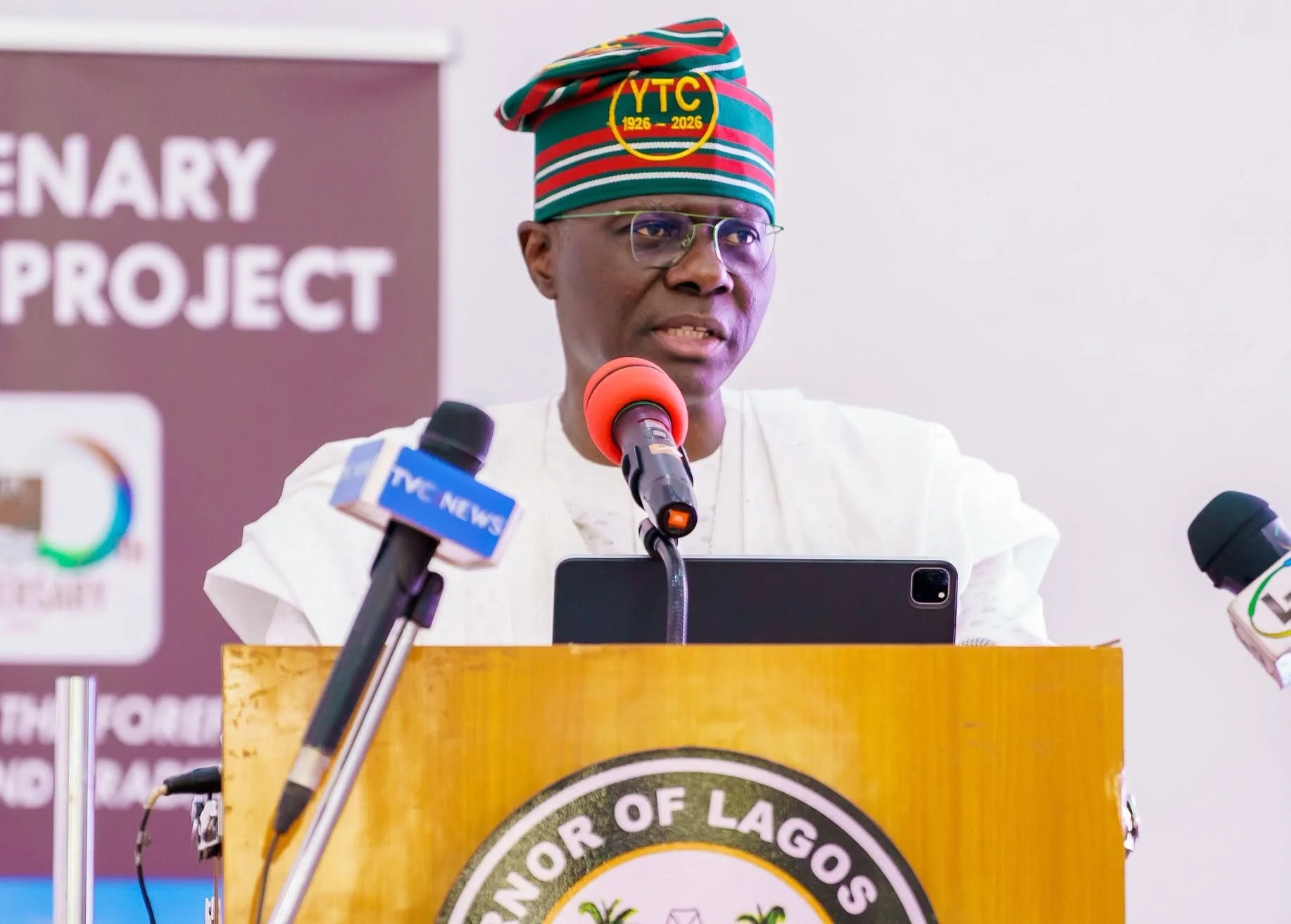
FG Targets Lower Transport Fares as CNG Fleet Surpasses 120,000 Vehicles
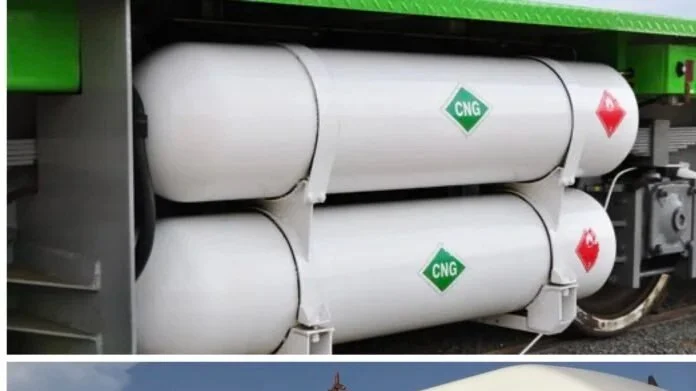
Nigeria’s CNG adoption reaches 120,000 vehicles
The Federal Government is intensifying efforts to reduce transportation costs as more than 120,000 vehicles have been converted to compressed natural gas (CNG) under the Presidential CNG Initiative.
The Minister of State for Petroleum Resources (Gas), Ekperikpe Ekpo, said the government’s focus is shifting from simply expanding CNG infrastructure to ensuring that lower fuel costs translate into cheaper transport fares and reduced logistics expenses.
/ You Might Also Like /




The development comes after President Bola Tinubu directed the rollout of an additional 500 CNG refuelling stations nationwide, taking the planned national network to 1,000 stations. The President has also set October 1 as a target for Nigerians to begin benefiting from lower transport fares.
CNG Fleet Surpasses 120,000 Vehicles
According to the Ministry of Petroleum Resources, more than 120,000 vehicles have now been converted to CNG through more than 400 certified conversion centres across Nigeria.
The programme has also supported the establishment of more than 90 refuelling stations and the training of over 7,700 automotive technicians.
The Federal Government said the initiative has generated more than 10,000 direct and indirect jobs, while 655 CNG buses and 5,123 CNG tricycles have been deployed.
The expansion marks a significant increase in the use of gas as an alternative transport fuel and suggests that CNG is moving beyond the early stages of adoption into a broader commercial transportation network.
FG Targets Lower Transport and Logistics Costs
The government’s immediate objective is to ensure that the lower operating costs associated with CNG are reflected in what commuters pay.
President Tinubu said CNG-powered vehicles can spend between 60% and 80% less on fuel than petrol-powered vehicles, creating room for transport operators to reduce operating costs.
The Federal Government therefore wants the benefits of lower fuel expenditure to extend beyond vehicle owners to commuters, businesses and other users of road transportation.
Ekpo said the government was working with the Presidential CNG Initiative, the Midstream and Downstream Gas Infrastructure Fund, state governments, transport unions, operators and investors to expand the programme.
The government is also developing dedicated CNG corridors and seeking to extend access to communities outside Nigeria’s major urban centres.
Planned Refuelling Network Reaches 1,000 Stations
The Federal Government’s planned expansion of the CNG refuelling network is expected to be central to the success of the programme.
The additional 500 stations approved by President Tinubu will be added to the 500 already ordered under the Midstream and Downstream Gas Infrastructure Fund.
This will bring the planned national network to 1,000 stations.
The government is also financing more than 100 gas projects, including CNG mother and daughter stations, as part of efforts to expand domestic gas utilisation.
A larger refuelling network could help address one of the major barriers to CNG adoption: accessibility. Without sufficient refuelling points, operators may be reluctant to convert vehicles even where CNG offers lower fuel costs.
Transport Costs Have Wider Housing Implications
Lower transport costs could have an important indirect impact on Nigeria’s housing market.
Transport expenditure is a major component of household budgets, particularly for workers who live far from employment centres because of high rents in central urban locations.
When commuting becomes expensive, households face a difficult choice between paying higher rents closer to work and accepting longer journeys from more affordable locations.
A reduction in transport costs could make some peripheral and emerging residential areas more viable for households that cannot afford properties in established urban centres.
This could support the growth of housing corridors outside major city centres, provided those areas also have adequate roads, electricity, water, security and other essential infrastructure.
Cheaper Transport Could Support Housing Affordability
Housing affordability is not determined by rent or mortgage payments alone.
The total cost of living in a residential location also includes transportation, electricity, water, food and other recurring expenses.
For lower- and middle-income households, high commuting costs can effectively increase the cost of living in otherwise cheaper housing locations.
If CNG adoption eventually produces sustained reductions in transport fares, households living farther from employment centres could experience some relief in their monthly expenses.
This could improve the attractiveness of satellite communities and emerging housing markets, particularly around major cities where land and rents have become increasingly expensive.
However, the effect will depend on whether transport operators actually pass fuel savings on to passengers.
Lower Logistics Costs Could Support Construction
The potential impact extends beyond household transportation.
Construction companies depend heavily on road transportation to move cement, steel, blocks, aggregates, equipment and other materials between suppliers and project sites.
Lower fuel and logistics costs could therefore reduce some operating expenses across the construction supply chain.
The effect may be particularly important for developers working on projects outside established urban centres, where transportation distances can add significantly to development costs.
If the CNG programme achieves wider commercial adoption and produces sustained reductions in logistics expenses, some developers could have greater room to manage construction costs.
However, fuel savings alone will not resolve the sector’s wider challenges, including high land prices, expensive construction materials, financing costs and limited access to affordable housing finance.
CNG Investment Could Support New Development Corridors
The expansion of CNG infrastructure could also influence the geography of future urban development.
New refuelling stations, transport corridors and supporting infrastructure can improve connectivity between established cities and emerging settlements.
Improved connectivity can increase the attractiveness of areas where land remains relatively affordable, potentially encouraging residential and commercial development.
For the property sector, this creates an opportunity to monitor areas where transport infrastructure, housing development and economic activity are expanding simultaneously.
However, transport improvements need to be matched by proper urban planning. Without adequate housing infrastructure, drainage, water supply, electricity and public services, rapid expansion along new transport corridors could simply transfer existing urban pressures to peripheral communities.
Government Seeks Wider Economic Benefits
The Federal Government estimates that more than $2 billion in investment has been catalysed across the CNG value chain since the launch of the Presidential CNG Initiative in 2023.
The investment has supported vehicle conversion centres, refuelling infrastructure, technical training and other components of the emerging CNG ecosystem.
The government is also positioning CNG as a means of increasing domestic gas utilisation while reducing dependence on petrol for road transportation.
Beyond transport, greater domestic use of natural gas could support industrial activity and create opportunities across manufacturing, energy services and related sectors.
For Nigeria’s property market, increased economic activity could strengthen demand for residential and commercial space in locations benefiting from new investments and employment opportunities.
Lower Fares Will Depend on Effective Implementation
The government’s October 1 target creates an important test for the CNG programme.
Expanding the vehicle fleet and refuelling network is only one part of the challenge. The government must also ensure that the resulting fuel savings translate into measurable reductions in transport fares.
Regulatory enforcement, access to CNG, conversion costs, availability of refuelling stations and cooperation from transport operators will all influence the outcome.
If the savings remain largely with operators rather than reaching passengers, the wider cost-of-living benefits will be limited.
For the housing sector, the distinction is important because transport affordability can influence where households choose to live and how much of their income remains available for rent, mortgage payments and other household expenses.
Outlook for Nigeria’s Housing Market
Nigeria’s growing CNG fleet could become an important component of the country’s wider infrastructure and cost-of-living strategy if the government successfully converts fuel savings into cheaper transportation.
More than 120,000 converted vehicles, over 400 conversion centres and plans for 1,000 refuelling stations indicate that the programme is developing beyond a pilot initiative.
For the housing market, the most significant potential benefit lies in improved connectivity and lower commuting costs.
Cheaper transport could make housing in emerging peripheral locations more viable, while lower logistics costs could provide some relief to developers and construction companies.
The long-term impact, however, will depend on implementation. CNG infrastructure must expand alongside roads, public transport, housing, electricity, water and other urban services.
If these elements develop together, lower-cost transportation could support more balanced urban growth and improve access to housing beyond Nigeria’s most expensive city centres.
READ MORE