Oyo Gets 17.7MW Mini-Grids as Government Rules Out Electricity Tariff Hike

Nigeria Expands Decentralised Power Supply With New Oyo Mini-Grid Projects
The Federal Government has commenced a 17.7-megawatt interconnected mini-grid project in Oyo State, targeting at least 20 hours of daily electricity supply to five communities in Ibadan. The initiative is expected to improve power reliability for households and businesses while reducing dependence on private generators.
/ You Might Also Like /




The project covers Bola, Jiboye, Ogo-Oluwa, Molade-Adelubi and Sooko Elega communities along the Iwo Road axis. It includes a 17.74-megawatt-hour battery energy storage system and 18 new transformers intended to strengthen electricity distribution in the beneficiary areas.
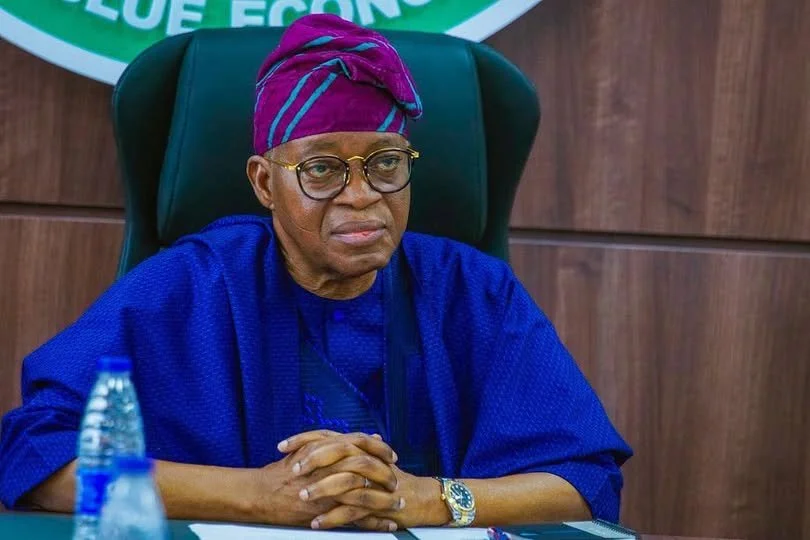
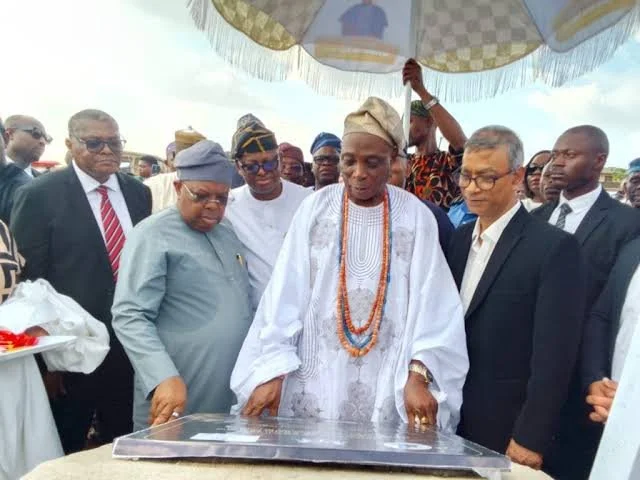
The Minister of Power, Joseph Tegbe, announced the project at its groundbreaking ceremony on Thursday, 15 October, while dismissing reports of an impending electricity tariff increase.
Five Communities Targeted for Improved Electricity Supply
The mini-grid initiative is designed to expand electricity availability through decentralised generation, complementing improvements to the national grid.
Paras Energy and Natural Resources Development Limited is developing the project, with support from public-sector agencies and other partners. The Rural Electrification Agency is involved in efforts to deploy distributed power infrastructure to communities where improved supply can support households and productive activities.
The planned minimum of 20 hours of electricity daily represents the project's stated target, rather than a confirmed supply outcome. Its impact will depend on completion, distribution performance and the reliability of the system once operational.
Government Rules Out Immediate Tariff Increase
Tegbe said the government was prioritising improved electricity supply and reliability rather than an immediate increase in tariffs. He urged Nigerians to disregard reports suggesting that another tariff adjustment was planned.
The assurance offers short-term clarity for households and businesses managing rising living and operating expenses. However, a decision not to increase tariffs does not by itself resolve the financial and infrastructure challenges affecting Nigeria's electricity market.
The longer-term test will be whether investment in generation, storage and distribution improves service delivery while allowing electricity providers to maintain financially sustainable operations.
What the Project Could Mean for Housing and Property Development
Reliable electricity is an important consideration in the cost and quality of housing. Residential properties require power for lighting, water pumping, security systems, cooling and other essential services. Where public supply is unreliable, landlords, estate managers and residents may turn to generators, inverters or dedicated power systems.
These alternatives add to the cost of occupying and managing a property. In multi-unit developments, the cost of backup generation and shared electricity infrastructure can also contribute to service charges and affect the overall affordability of housing.
If the Oyo project delivers sustained improvements, households in the beneficiary communities could face less pressure to depend on private generation. Better electricity access could also make local commercial activity more viable and support demand for residential and business premises.
However, the project alone cannot establish whether electricity costs or rents will fall. Those outcomes will depend on actual supply performance, the cost of electricity to end users and other local market conditions.
Reliable Power Remains a Factor in Construction Costs
Electricity also affects the construction sector through the cost of manufacturing and transporting building materials. Producers of cement, steel, tiles, blocks and other construction inputs require dependable energy to maintain operations.
Where power supply is inconsistent, businesses may rely on diesel generators or other alternatives, adding to production costs. Those expenses can feed into the prices developers pay for materials and services.
Improved electricity infrastructure could help reduce some of these operating pressures if it supports more reliable supply across productive sectors. The extent of any benefit, however, will depend on the scale of the improvement and whether it reaches businesses beyond the immediate project locations.
Delivery Will Determine the Project's Wider Impact
The 17.7MW initiative reflects the role decentralised energy projects can play in expanding electricity access alongside investment in the national grid. Its combination of generation capacity, battery storage and new transformers is intended to address supply and distribution needs in the five communities.
For residents, businesses and property developers, the key measure of success will be the electricity actually delivered, its reliability and the cost of accessing it. The government's tariff assurance provides near-term clarity, but lasting benefits for housing affordability and local economic activity will depend on improved power service rather than the announcement alone.
READ MORE