Nigeria Targets New Maritime Hubs as Port Development Expands Beyond Lagos

Nigeria plans to expand port modernisation beyond Lagos to strengthen regional maritime infrastructure
Nigeria is pursuing a more geographically balanced port network, with plans to modernise existing maritime facilities and develop new deep seaports to strengthen trade, reduce logistics costs and stimulate economic activity beyond Lagos.
/ You Might Also Like /




The Minister of Marine and Blue Economy, Adegboyega Oyetola, reaffirmed the government's commitment to expanding maritime infrastructure outside the country's dominant commercial gateway during the 2026 World Maritime Day celebration in Lagos.
The programme includes modernisation plans for Onne, Warri and Calabar ports, complementing ongoing efforts at Apapa and Tin Can Island. The government has also identified proposed deep seaport projects at Agge, Bakassi, Bonny, Gateway, Ibom and Ondo.
The broader strategy aims to connect seaports with inland dry ports and production centres through an integrated network of roads, railways and inland waterways.
For Nigeria's property sector, the potential significance extends beyond maritime operations. If the infrastructure improvements translate into higher trade volumes, new businesses and employment, they could support demand for warehouses, industrial facilities, commercial premises and housing in regional economic centres.
Port Modernisation Targets Greater Regional Connectivity
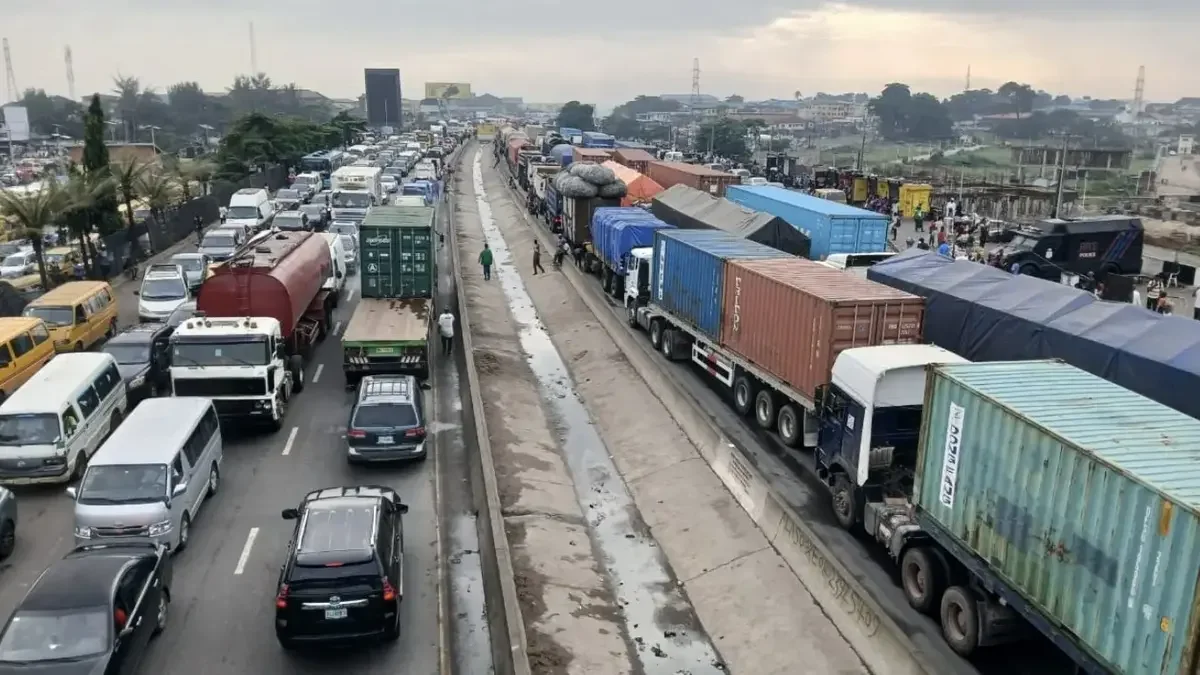
Nigeria's port system remains heavily concentrated around Lagos, where Apapa, Tin Can Island and Lekki handle substantial volumes of the country's maritime trade.
Expanding capacity elsewhere could give importers and exporters more options for moving goods, while strengthening connections between coastal facilities and inland production and consumption centres.
The proposed modernisation of Onne, Warri and Calabar is part of this effort. The government also intends to advance new deep seaport projects, although the proposed developments will require further progress in financing, construction and supporting infrastructure before their full economic impact can be realised.
Oyetola said the strategy would connect maritime gateways to inland dry ports and production centres, bringing cargo closer to businesses and consumers while easing pressure on established transport corridors.
The effectiveness of this approach will depend on the quality of road and rail links, port operations, cargo-handling capacity and the efficiency of customs and other logistics processes.
Regional Ports Could Attract Industrial and Logistics Investment
More efficient ports can strengthen the commercial case for locating warehouses, distribution centres, processing facilities and industrial estates close to transport corridors.
Businesses that import equipment and raw materials or export finished goods often consider transport costs and reliability when choosing where to establish operations. Improved port access could make some regional locations more attractive if they offer dependable connections to suppliers, markets and labour.
Onne, Warri and Calabar could benefit from stronger demand for logistics and industrial facilities if port modernisation leads to sustained growth in cargo activity and related businesses.
New deep seaports could create similar opportunities in their host areas. However, infrastructure announcements alone do not guarantee new investment. Developers and businesses will also assess the availability of electricity, water, roads, serviced land, security and a suitable workforce.
For property investors, the distinction between planned infrastructure and operational capacity will be important when assessing the long-term potential of emerging logistics locations.
Housing Demand Could Follow Port-Linked Employment
Port development can influence residential property markets by attracting workers, contractors, logistics operators and businesses that require accommodation close to employment centres.
If improved maritime infrastructure generates sustained economic activity, host cities could experience increased demand for rental housing, serviced apartments and residential estates. Commercial expansion could also support demand for offices, retail premises and other services serving workers and businesses.
The potential effects may extend to surrounding communities connected to ports by major roads and transport networks. Locations that offer reliable access to employment centres could become more attractive to households and property developers.
However, additional economic activity can also place pressure on existing housing supply, land availability and public services. Without coordinated urban planning, new investment may contribute to higher land prices and rents without ensuring that lower-income workers can access adequate housing.
The housing impact of port expansion will therefore depend partly on whether local authorities and developers plan for worker accommodation, affordable housing, transport and essential services alongside industrial growth.
Inland Dry Ports Extend the Potential Impact Beyond Coastal Cities
The government's strategy also recognises the role of inland ports and waterways in connecting businesses outside coastal areas to domestic and international markets.
Facilities such as the inland ports at Onitsha and Baro could support the movement of goods between production centres, distribution networks and seaports. Their effectiveness will depend on operational capacity and dependable links to road, rail and water transport.
A more integrated logistics network could expand the locations suitable for warehousing, agro-processing, distribution and other industrial activities. It could also improve the commercial viability of property developments serving businesses along major freight routes.
For the property sector, these connections matter because industrial and logistics investment often depends on the entire transport network rather than the performance of an individual port.
Regulatory Reform Remains Part of the Port Development Agenda
Alongside infrastructure investment, Oyetola highlighted the Nigerian Ports Economic Regulatory Agency Act, 2026, as part of efforts to strengthen economic regulation, encourage fair competition and improve service delivery across the port system.
Effective regulation can influence operating costs, investor confidence and the consistency of services available to port users. These factors can affect whether businesses commit capital to new logistics and industrial locations.
Nevertheless, regulatory reform must translate into predictable processes, efficient operations and commercially viable services to support long-term investment.
For developers, the ability to assess infrastructure delivery, land access, transport connections and regulatory conditions will remain central to decisions about industrial and commercial property.
Infrastructure Delivery Will Determine Regional Property Opportunities
Nigeria's plan to expand port development beyond Lagos presents a potential opportunity to strengthen regional trade and encourage investment in logistics and industrial infrastructure.
Onne, Warri and Calabar are among the existing ports targeted for modernisation, while proposed deep seaports and inland transport connections form part of the wider strategy.
For real estate, the opportunity lies in the economic activity that functional infrastructure can generate: demand for warehouses, industrial sites, commercial premises and housing near expanding employment centres.
The scale of that opportunity will depend on project execution, reliable transport connections, private-sector participation and the availability of supporting urban infrastructure.
Until the projects deliver measurable improvements in cargo handling and business activity, anticipated property-market gains should be treated as potential rather than guaranteed outcomes.
READ MORE