Roads Alone Are Not Enough, Ohanaeze Calls for Integrated Southeast Infrastructure
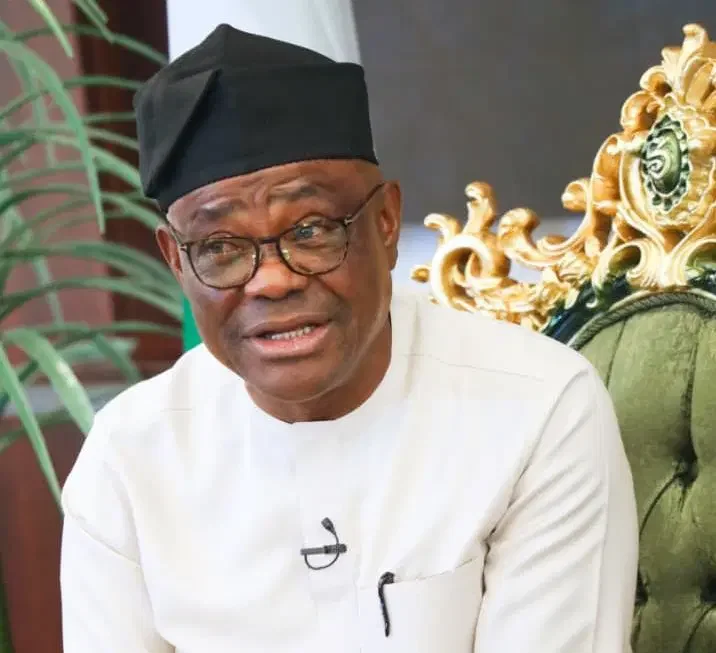
The apex Igbo socio-cultural organisation, Ohanaeze Ndigbo, has commended the Federal Government's ongoing investment in road infrastructure across the Southeast while urging authorities to broaden development efforts through the rehabilitation of rail infrastructure, modernisation of seaports and the establishment of a dedicated regional security fund. The group argued that an integrated infrastructure strategy is essential to unlocking the Southeast's economic and investment potential.
/ You Might Also Like /




The position reflects growing calls for transport infrastructure that extends beyond highways to include logistics, maritime connectivity and improved security, all of which play critical roles in attracting private investment and supporting regional development.
Roads Recognised as a Positive Step
According to Ohanaeze, the Federal Government's commitment to rehabilitating and constructing major federal roads across the Southeast represents meaningful progress after years of infrastructure deficits in the region. The group acknowledged ongoing road projects as important investments capable of improving connectivity, reducing travel time and supporting economic activities.
Improved road networks have direct implications for the movement of goods, construction materials and labour, while also enhancing access to commercial centres and residential developments.
Call for Rail and Seaport Development
While welcoming road investments, Ohanaeze maintained that sustainable regional development requires a multimodal transport network.
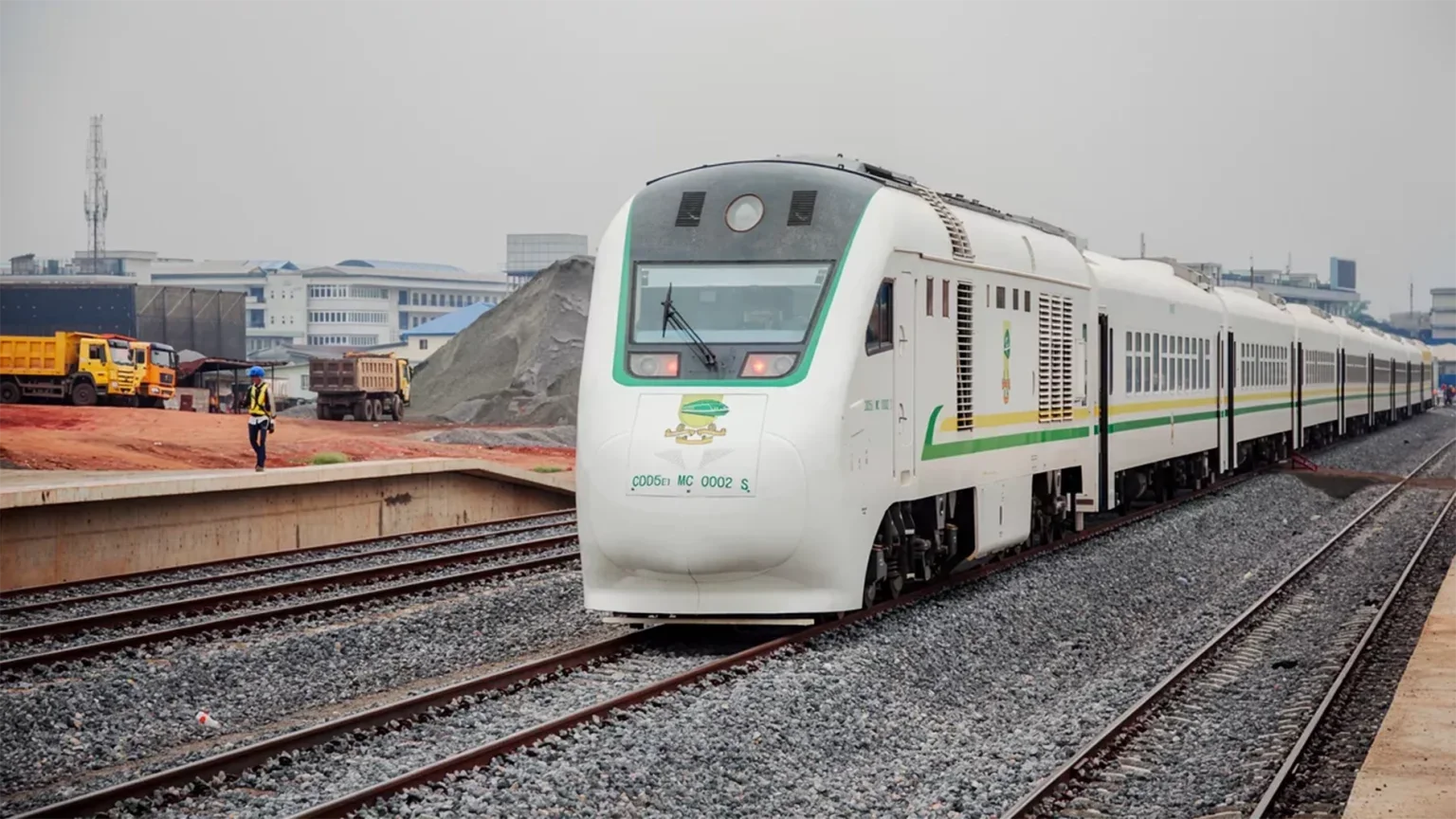
The organisation called for accelerated completion of the Eastern Rail Line and greater investment in the region's seaports, arguing that efficient rail and maritime infrastructure would reduce logistics costs, improve freight movement and strengthen trade competitiveness.
A more diversified transport system would also reduce pressure on highways, improve supply chain efficiency and support industrial and commercial expansion throughout the Southeast.
Security Identified as Critical Investment Enabler
Beyond physical infrastructure, Ohanaeze advocated the creation of a dedicated security fund for the Southeast to address security concerns that continue to affect economic activity and investor confidence.
The group noted that improved security would complement infrastructure investments by creating a more stable operating environment for businesses, manufacturers and property developers.
Security remains a key consideration for infrastructure financing and long-term real estate investment, particularly in regions seeking to attract new industrial and commercial projects.
Implications for Housing and Real Estate
For Nigeria's housing sector, the recommendations highlight the close relationship between transport infrastructure and property market performance.
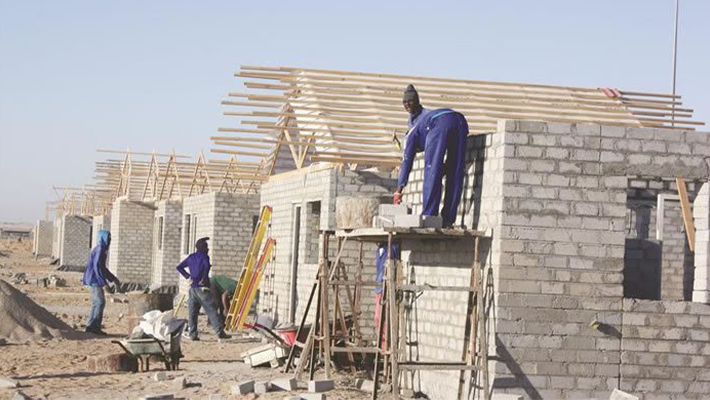
Roads, railways and seaports influence the cost of delivering construction materials, improve access to development corridors and support the emergence of new residential and commercial hubs. Better connectivity can also expand land values beyond established urban centres, creating opportunities for planned housing developments and mixed-use communities.
An integrated transport network can further stimulate industrial growth, generate employment and increase demand for housing, particularly around logistics corridors, rail terminals and port-linked economic zones.
Similarly, improvements in regional security are likely to enhance investor confidence, reduce project risks and encourage greater participation from private developers and institutional investors.
Integrated Infrastructure Supports Regional Growth
Infrastructure experts have increasingly emphasised that sustainable urban development depends on coordinated investment across transport, logistics, utilities and public services rather than isolated projects.
Combining road expansion with efficient rail systems, modern seaports and stronger security frameworks can improve regional competitiveness, support manufacturing and facilitate private sector investment. These factors also contribute to more resilient housing markets by improving accessibility, reducing development costs and strengthening long-term economic prospects.
Outlook
Ohanaeze's call for expanded infrastructure investment reflects a broader conversation about the next phase of development in the Southeast. While ongoing road construction addresses a critical infrastructure gap, the organisation argues that long-term economic transformation will depend on complementary investments in rail transport, maritime infrastructure and security.
For the housing and real estate sector, an integrated infrastructure strategy could improve development viability, strengthen regional property markets and create new opportunities for investment as connectivity and economic activity continue to expand.
READ MORE