MREIF's ₦14.49bn Profit Signals Growing Investor Confidence in Housing Finance




The performance comes as Nigeria seeks to mobilise long-term capital for affordable housing under the Ministry of Finance Incorporated's (MOFI) broader strategy to deepen housing finance and attract private investment into the real estate sector.
Strong Half-Year Performance Reflects Fund Growth
According to the fund's latest financial results, MREIF generated ₦14.49 billion in profit after tax during the first six months of 2026, maintaining the growth trajectory established in the first quarter when it posted a profit of ₦7.34 billion. The results were driven primarily by income from mortgage lending, fixed-income investments and other financial assets.
The performance highlights the increasing maturity of the government-backed investment vehicle, which was established to provide long-term, affordable mortgage financing while attracting institutional and private capital into Nigeria's residential property market.
Expanding Access to Housing Finance
MREIF forms a central component of the Federal Government's strategy to improve access to affordable homeownership through sustainable financing mechanisms.
Unlike traditional mortgage products that often carry high interest rates and short repayment periods, the fund is designed to provide lower-cost, long-term financing through participating financial institutions. The model combines government-backed concessionary funding with commercial capital, creating a blended finance structure that expands access to mortgages for eligible Nigerians.
Earlier disclosures showed the fund had expanded its network of participating financial institutions while increasing mortgage disbursements across multiple states, supporting home purchases and housing delivery nationwide.
Implications for Nigeria's Housing Market
The fund's financial performance carries broader significance beyond profitability.
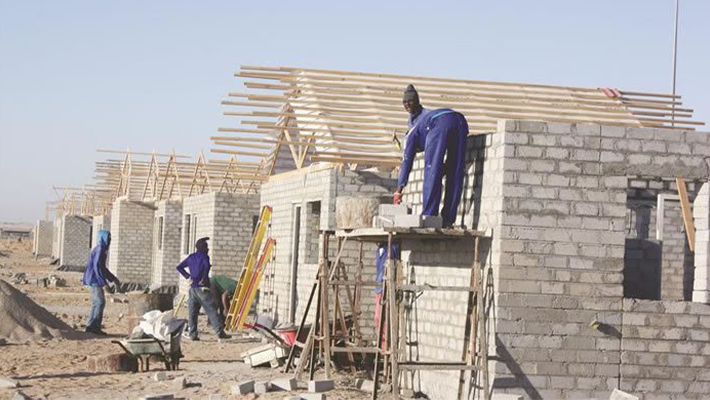
For developers, a well-capitalised housing finance system improves access to funding for residential projects, helping reduce financing constraints that often delay construction. Increased mortgage availability also supports housing demand by enabling more households to purchase completed homes.
Institutional investment vehicles such as MREIF can help bridge Nigeria's significant housing deficit by creating a sustainable flow of long-term capital into the residential market rather than relying solely on government budget allocations or short-term bank lending.
As the mortgage market expands, developers may benefit from stronger off-take rates, while homebuyers gain access to financing options that improve affordability.
Investor Confidence Continues to Build
The latest earnings reinforce confidence in regulated real estate investment vehicles as an emerging asset class within Nigeria's capital market.
MREIF has continued to attract institutional participation since its launch, supported by its governance framework, transparent reporting standards and long-term investment strategy. Previous fundraising rounds successfully mobilised hundreds of billions of naira from both government and private investors to finance affordable housing initiatives.
Its listing on the Nigerian Exchange has also increased transparency and broadened participation among institutional and retail investors seeking exposure to income-generating real estate assets.
Supporting Infrastructure and Economic Growth
Beyond housing delivery, stronger real estate investment funds contribute to wider economic development.
Residential construction stimulates demand across multiple industries, including cement, steel, manufacturing, professional services and transportation. Increased investment in housing also supports job creation while strengthening urban infrastructure and expanding economic activity in growing cities.
By mobilising long-term domestic capital, MREIF demonstrates how capital market instruments can complement public policy in addressing infrastructure financing gaps and supporting sustainable urban development.
Outlook
The MOFI Real Estate Investment Fund's ₦14.49 billion half-year profit reflects continued momentum in Nigeria's evolving housing finance market. As the fund expands mortgage access, attracts institutional investment and channels long-term capital into residential development, it is positioning itself as a key financing platform for affordable housing delivery.
For investors, developers and policymakers, the latest results suggest that structured real estate investment vehicles can play an increasingly important role in strengthening housing finance, improving homeownership opportunities and supporting long-term growth across Nigeria's property sector.
READ MORE