NiHSA Warns Flooding Could Persist Until September, Threaten Drinking Water
Flooding May Continue Through September as NiHSA Raises Public Health Alert
The Nigeria Hydrological Services Agency (NiHSA) has warned that flooding across parts of the country could continue until September, with the most severe impacts expected between August and September. The agency also cautioned that prolonged flooding could contaminate drinking water sources, increasing public health risks in affected communities.
/ You Might Also Like /




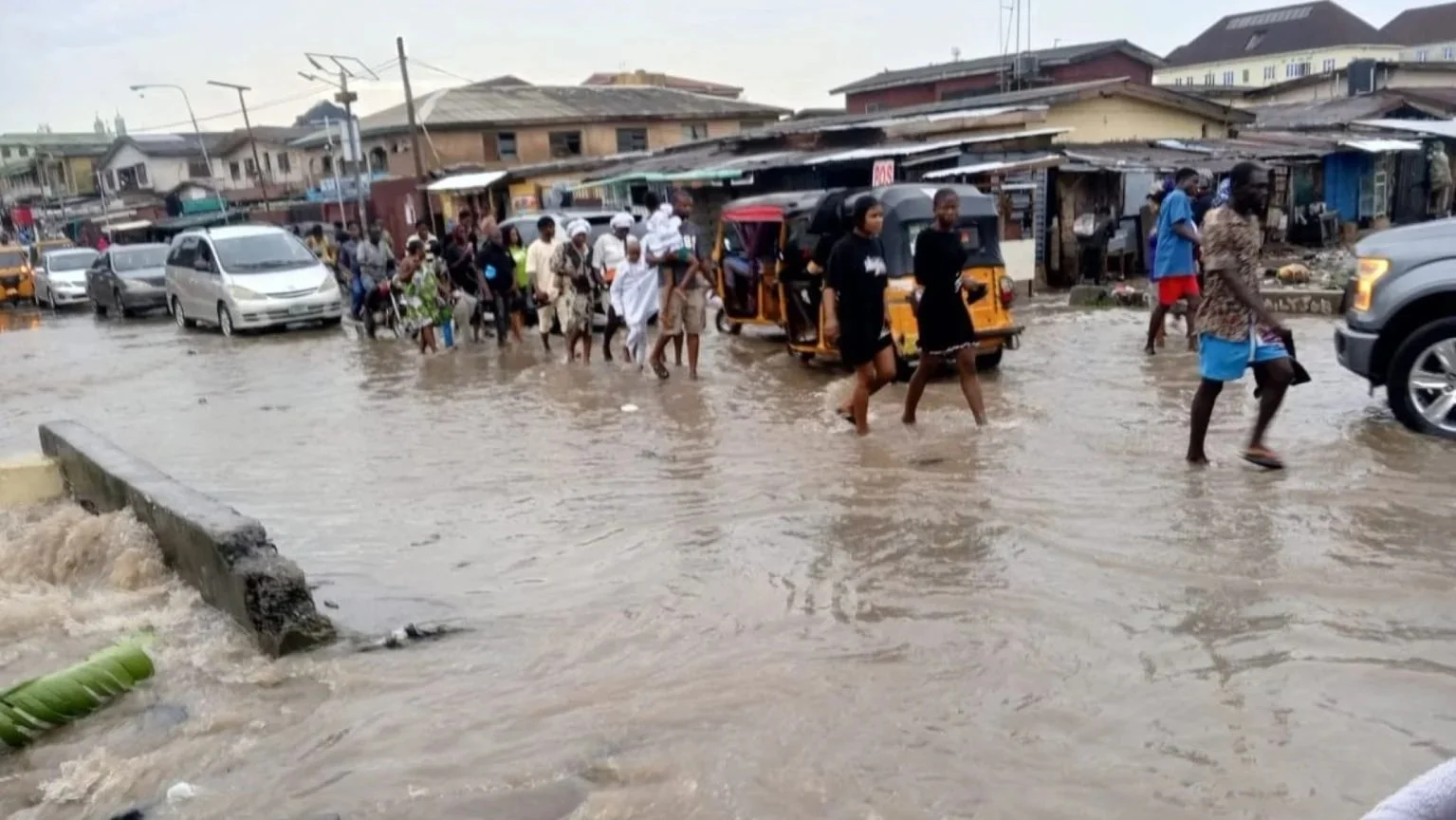
The warning follows widespread flooding triggered by heavy rainfall in Lagos and several other states in recent days. According to NiHSA, the current flooding aligns with forecasts contained in its Annual Flood Outlook, and authorities are urging governments and residents to strengthen preparedness measures as the rainy season intensifies.
Peak Flooding Expected in August and September
NiHSA Director-General Umar Mohammed said the country is only at the early stage of the rainy season and warned that flooding could become more severe over the coming weeks if preventive measures are not implemented.
According to the agency, rainfall and flooding are expected to occur intermittently from July through September, with the highest flood risk anticipated during August and September before conditions begin to ease towards October and November.
Agency Raises Concerns Over Drinking Water Quality
Beyond the immediate damage to homes, roads and infrastructure, NiHSA warned that floodwaters could contaminate boreholes and other drinking water sources.
The agency disclosed that it collected baseline water quality data before the flooding began and plans to conduct post-flood assessments to determine the extent of contamination and identify pollution sources. The findings are expected to guide public health interventions and future water management strategies.
Lagos Faces Multiple Flood Risks
NiHSA identified Lagos as one of Nigeria's most vulnerable states because it is exposed to three forms of flooding: urban flooding, riverine flooding and coastal flooding.
The agency attributed the severity of recent flooding to a combination of intense rainfall, blocked drainage systems, silted waterways, low-lying terrain and rising river levels. These factors, coupled with rapid urbanisation, have reduced the city's ability to drain stormwater efficiently.
States Urged to Act on Early Warnings
NiHSA said it had issued flood forecasts and early warnings before the recent flooding but expressed concern that many state governments had not taken sufficient preventive action.
The agency called on authorities to clear drainage channels, improve flood response planning and encourage residents in vulnerable communities to comply with official advisories. It also urged stronger collaboration between federal, state and local governments to reduce the impact of seasonal flooding.
Implications for Housing and Infrastructure
The warning reinforces the growing need for climate-resilient housing, improved urban drainage systems and stronger land-use planning across Nigeria.
Flooding continues to pose significant risks to residential developments, transport infrastructure and public utilities. Developers, urban planners and policymakers are increasingly being encouraged to incorporate flood risk assessments, sustainable drainage systems and climate adaptation measures into future housing and infrastructure projects.
As urban populations continue to expand, investment in resilient infrastructure will become increasingly important to protect communities, safeguard property values and reduce economic losses associated with extreme weather events.
Looking Ahead
With NiHSA forecasting continued flooding through September, governments at all levels face increasing pressure to strengthen disaster preparedness, improve drainage infrastructure and protect vulnerable communities.
For the housing and construction sectors, the warning highlights the importance of integrating climate resilience into project planning, while reinforcing the need for coordinated investment in flood control, water management and sustainable urban development as Nigeria confronts increasingly frequent extreme weather events.
READ MORE