Government Challenges Builders to Improve Housing Quality and Affordability
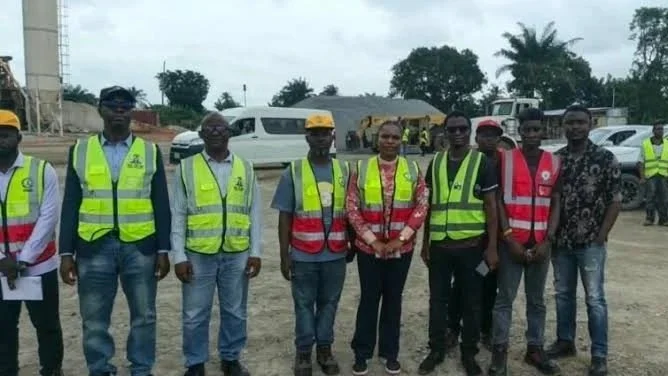
FG Calls for Stricter Building Standards to Improve Housing Delivery
The Federal Government has challenged Nigerian builders to help close the country’s housing gap by delivering homes that are affordable, safe, professional and sustainable.
Secretary to the Government of the Federation (SGF), Senator George Akume, gave the charge in Abuja while chairing the 56th Annual Conference of the Nigerian Institute of Building (NIOB), which focused on repositioning the building profession and strengthening its contribution to housing delivery.
/ You Might Also Like /




FG Warns Against Substandard Construction
Akume said housing extends beyond walls, roofs and doors, describing adequate housing as essential to safety, dignity, family stability, quality of life and wealth creation.
He warned that poor workmanship, substandard building materials, corruption, shortcuts and the use of unqualified practitioners could undermine efforts to expand quality housing across Nigeria.
The SGF identified poor compliance with specifications, weak quality control, faulty construction methods, foundation failures and inadequate site supervision among the factors contributing to building failures.
He also cautioned certified builders against allowing their professional names or seals to appear on projects they did not personally supervise, stressing the importance of professional integrity and accountability.
Rising Construction Costs Threaten Affordability
The Federal Government also acknowledged that affordability remains a major challenge for Nigerian households.
Akume said rising construction costs were preventing many families from achieving homeownership, reinforcing the need for measures that can lower the cost of delivering housing.
The government is supporting building-material manufacturing across the geopolitical zones as part of efforts to increase local production and reduce construction costs.
Greater local production could reduce reliance on imported materials and help limit the exposure of housing projects to exchange-rate movements and external supply disruptions.
Builders Asked to Support Housing Policy
The SGF called on builders to contribute their technical expertise, research and industry networks to government housing programmes from planning through implementation.
He also encouraged professionals to form consortia, establish auditable quality-management systems, train and certify artisans, and work with government and credible private developers.
The approach is intended to strengthen collaboration across the housing value chain while improving the technical and professional standards applied to housing projects.
Government Links Building Failures to Weak Oversight
Minister of Housing and Urban Development, Muttaqha Darma, represented at the conference by the Director of Public Buildings, Musa Abdullahi, identified recurring building collapses as a major challenge facing Nigeria’s construction sector.
Darma said builders have a critical responsibility to ensure compliance with engineering standards through effective quality control, material testing and proper site supervision.
He urged participants at the conference to develop practical policy recommendations that can strengthen housing delivery and address persistent challenges across the sector.
The emphasis on quality control comes as building safety remains a major concern for property owners, developers and residents, particularly where construction work does not meet approved standards.
Senate Backs Stronger Housing Standards
Chairman of the Senate Committee on Housing, Senator Aminu Tambuwal, described the conference theme as timely, citing Nigeria’s housing deficit, structural safety concerns and the need for sustainable community development.
Represented by Senator Ibrahim Mustapha, Tambuwal said sustainable housing requires effective legislation, sound policies, professional competence, accessible finance and strict compliance with building standards.
He said lawmakers would support measures aimed at strengthening professional standards and regulatory enforcement, promoting local and climate-resilient materials, improving land administration and expanding access to affordable housing finance.
NIOB Calls for Greater Professional Compliance
NIOB President Daniel Kolade said the institute was using advocacy and policy engagement to reposition the building profession, improve construction quality and increase public awareness of the importance of engaging qualified professionals.
Kolade identified quackery as a major challenge in the sector and urged Nigerians to engage qualified practitioners for construction projects.
The institute’s third Vice President, Dr Adesina Aladeloba, also called for strict enforcement of the National Building Code.
He noted that builders play a key role in translating architectural and engineering designs into physical structures and urged Nigerians to demand professional involvement throughout every stage of construction.
Implications for Housing Delivery
The Federal Government’s position places affordability and construction quality at the centre of Nigeria’s housing challenge.
For developers, reducing construction costs without compromising structural integrity will remain critical to delivering homes that households can afford. Increased local production of building materials could support this objective if manufacturers can achieve sufficient scale, quality and price competitiveness.
For investors and policymakers, stronger professional oversight could also reduce construction risks and improve confidence in the housing market.
Effective enforcement of building standards, combined with better access to housing finance and serviced land, would address several of the structural constraints that continue to limit housing delivery.
Affordable Housing Must Also Be Safe
The government's latest intervention highlights the need to balance housing affordability with structural safety.
Reducing the cost of construction should not come at the expense of building standards. The use of inferior materials, inadequate supervision or unqualified practitioners can create higher costs in the long term through repairs, premature deterioration and, in severe cases, building failure.
For Nigeria’s housing sector, the objective therefore extends beyond increasing the number of homes delivered. New housing must also meet appropriate safety, quality and sustainability standards.
Outlook
The Federal Government’s call for builders to deliver affordable, safer and sustainable housing comes as Nigeria continues to confront high construction costs, housing shortages and concerns over building quality.
The success of the approach will depend on stronger enforcement of professional standards, wider use of quality local materials, improved access to housing finance and closer collaboration between government and industry professionals.
For the housing market, combining affordability with proper planning, construction quality and regulatory compliance will remain essential to expanding sustainable housing supply and protecting households and property investors.
READ MORE