Nigerians May Pay More for Sugary Drinks Under Senate-Backed Tax Plan
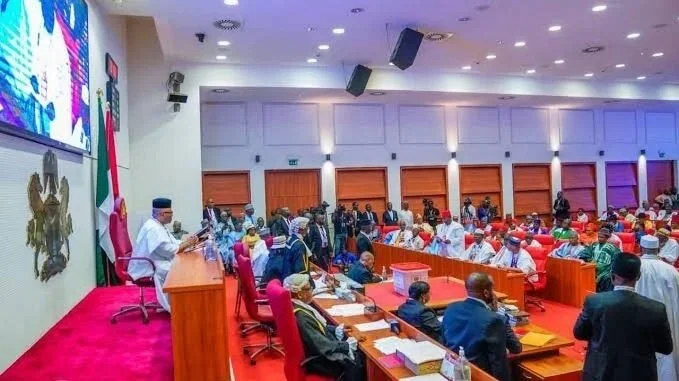
Senate Endorses New Excise Duty Regime for Sugar-Sweetened Beverages
Nigerians may soon pay higher prices for soft drinks and other sugar-sweetened beverages following the Senate’s approval of a new excise duty framework that replaces the current flat-rate tax with a percentage-based levy linked to retail prices. The measure forms part of amendments to the Customs, Excise Tariff and related legislation and is intended to strengthen public health funding while discouraging excessive sugar consumption.
/ You Might Also Like /




The Senate approved the proposal during plenary after adopting the report of the Joint Committee on Finance and Customs, Excise and Tariff. Lawmakers said the revised tax structure aims to address the growing burden of non-communicable diseases, including diabetes, obesity, hypertension and cardiovascular conditions, which health experts increasingly associate with excessive sugar intake.
Senate Moves Away from Flat-Rate Sugar Tax
Under the current framework, manufacturers and importers of sugar-sweetened beverages pay an excise duty of ₦10 per litre. The levy was introduced in 2022 as part of efforts to reduce sugar consumption and generate additional resources for healthcare spending.
However, according to the Chairman of the Senate Committee on Finance, Senator Sani Musa, inflation has significantly reduced the effectiveness of the existing tax. He told lawmakers that the fixed-rate structure no longer exerts sufficient influence on consumer behaviour and has lost much of its revenue-generating value as product prices continue to rise.
The newly approved framework will replace the flat-rate levy with a percentage-based excise duty tied to retail prices. The exact rate and implementation structure will be determined by the Minister of Finance in line with international best practices.
Why the Senate Wants a New Tax Structure
When the sugar tax was introduced, a bottle of soft drink sold for approximately ₦150. Today, similar products commonly retail between ₦350 and ₦450, substantially reducing the impact of the ₦10-per-litre levy on final consumer prices. Lawmakers argue that the current structure has become less effective in achieving its public health objectives.
The Senate believes a price-linked tax system will preserve the real value of the levy over time and provide a stronger incentive for consumers to reduce sugar intake. The reform also seeks to establish a more sustainable funding source for healthcare interventions aimed at combating non-communicable diseases.
Public Health Concerns Drive Policy Shift
The tax reform comes amid growing concerns about the health impact of excessive sugar consumption in Nigeria. According to figures cited during Senate deliberations, approximately 8% of Nigerians are estimated to be living with diabetes, while around 40% of adults are believed to have hypertension.
Health advocates have long argued that sugar-sweetened beverages contribute significantly to rising rates of obesity and other diet-related illnesses. Several public health organisations have supported stronger taxation measures, maintaining that higher prices can help reduce consumption and improve health outcomes.
The World Health Organization has consistently advocated fiscal measures that increase the retail price of sugary drinks as part of broader strategies to reduce the prevalence of non-communicable diseases. Research on Nigeria's existing levy has suggested that the current ₦10-per-litre tax may be too small to significantly influence consumer behaviour.
Industry and Economic Concerns Remain
Despite the public health rationale behind the reform, some business groups have expressed reservations about higher taxes on sugar-sweetened beverages. The Centre for the Promotion of Private Enterprise (CPPE) has previously warned against additional tax burdens on manufacturers, citing concerns about rising production costs, inflationary pressures and reduced consumer purchasing power.
The debate highlights the challenge facing policymakers as they attempt to balance public health objectives with economic realities. Beverage manufacturers already operate in an environment characterised by high energy costs, foreign exchange pressures and broader inflationary challenges.
Nigeria remains one of Africa’s largest consumers of sugar, with annual consumption estimated at about 1.8 million metric tonnes. According to industry estimates cited by Nairametrics, Nigerians consume approximately 38.6 million litres of soft drinks daily, making the country one of the world's largest soft drink markets.
Potential Revenue and Healthcare Impact
Lawmakers argue that a revised tax structure could generate additional resources to support healthcare programmes while addressing the growing financial burden of non-communicable diseases.
According to figures referenced during Senate discussions, Nigerian households collectively spend an estimated ₦1.92 trillion annually managing non-communicable diseases. The Senate noted that the country's healthcare system remains heavily dependent on out-of-pocket spending, exposing many households to financial hardship when serious illnesses occur.
Supporters of the reform believe a stronger and more responsive excise duty framework could contribute to reducing long-term healthcare costs while encouraging healthier consumer choices.
Outlook
The Senate’s approval of a percentage-based excise duty on sugar-sweetened beverages marks a significant shift in Nigeria’s approach to sugar taxation. While the final structure of the levy remains subject to implementation guidelines from the Ministry of Finance, the policy signals a stronger commitment to using fiscal measures to address public health concerns.
For consumers, the immediate implication could be higher prices for soft drinks and other sweetened beverages. For policymakers, the challenge will be ensuring that the new framework achieves its dual objectives of improving public health outcomes and generating sustainable funding for healthcare programmes without placing excessive pressure on businesses and households.
READ MORE