Lagos Traffic Crisis Deepens as Trucks Block Mile 2 Axis of Oshodi-Apapa Road
Apapa Logistics Bottleneck Resurfaces as Trucks Trigger Fresh Gridlock
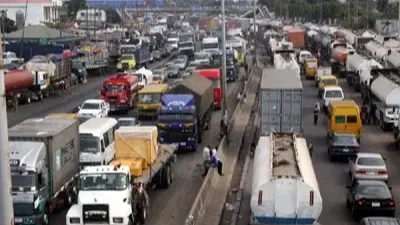
Severe traffic congestion has returned to the Mile 2 axis of the Oshodi-Apapa Expressway in Lagos as large numbers of trucks and tankers occupied key sections of the corridor, significantly disrupting movement for commuters, businesses and freight operators. The renewed gridlock has raised fresh concerns about traffic management and logistics operations along one of Nigeria’s most important economic routes. According to reports by Vanguard, the congestion has once again slowed traffic flow on roads connecting the Apapa port corridor to other parts of Lagos.
/ You Might Also Like /




The Oshodi-Apapa Expressway serves as a critical gateway for cargo movement from Nigeria’s busiest seaports. Any disruption along the route affects supply chains, increases transportation costs and creates delays for businesses that depend on timely delivery of goods.
Trucks Occupy Key Sections of the Corridor
Reports indicate that articulated vehicles, including container trucks and petroleum tankers, occupied substantial portions of the Mile 2 axis, reducing available road space for other motorists. The resulting congestion stretched across multiple sections of the corridor, leaving commuters stranded for extended periods and worsening travel times across surrounding areas.
The latest traffic build-up comes despite previous interventions by Lagos State authorities, including enforcement measures designed to prevent indiscriminate parking of trucks on major highways and access roads leading to the ports. Similar incidents have occurred in the past, often leading to significant economic losses and productivity disruptions for businesses operating within the Lagos metropolitan area.
Concerns Over Traffic Management and Port Logistics
The return of gridlock has reignited debates among stakeholders in the maritime and logistics sectors regarding the effectiveness of existing traffic control measures and truck management systems.
Industry operators have repeatedly argued that congestion around the Apapa port corridor reflects broader infrastructure and logistics challenges. These include limited truck holding bays, inadequate road capacity and operational bottlenecks associated with cargo evacuation from the ports. Stakeholders have also pointed to recurring difficulties in coordinating truck movements into and out of port facilities.
The electronic call-up system introduced to regulate truck access to the ports was expected to reduce roadside parking and improve traffic flow. However, periodic congestion continues to occur, raising questions about compliance, enforcement and the capacity of existing infrastructure to accommodate freight demand.
Economic Implications of Renewed Gridlock
The Oshodi-Apapa corridor plays a strategic role in Nigeria’s supply chain network. Delays along the route can increase transportation costs, affect delivery schedules and contribute to higher operating expenses for businesses.
For manufacturers, importers, exporters and logistics companies, prolonged traffic congestion often translates into reduced efficiency and higher costs associated with fuel consumption, vehicle maintenance and delayed cargo movement. These challenges can ultimately affect the competitiveness of businesses and add pressure to already strained supply chains.
The impact extends beyond the logistics sector. Daily commuters, residents and commercial transport operators also face longer travel times, reduced productivity and increased transportation expenses whenever congestion intensifies along the corridor.
Government and Stakeholder Responses
Authorities have previously attributed traffic challenges along the Mile 2 and Apapa corridors to a combination of road construction activities, high volumes of tanker traffic and operational issues within the port ecosystem. Lagos State traffic management agencies have continued enforcement efforts aimed at preventing indiscriminate parking and ensuring smoother vehicle movement.
Stakeholders have called for stronger enforcement of truck movement regulations, expansion of truck transit facilities and accelerated infrastructure improvements to address recurring congestion. Industry groups have also advocated closer collaboration between port authorities, transport unions and government agencies to improve traffic coordination and reduce bottlenecks.
Outlook
The return of gridlock to the Mile 2 axis of the Oshodi-Apapa Expressway highlights the persistent challenges facing Lagos’ transport and logistics network. While previous interventions have delivered temporary relief, recurring congestion underscores the need for sustainable solutions that address both infrastructure limitations and operational inefficiencies.
For policymakers, logistics operators and investors, the latest disruption serves as a reminder that efficient freight movement remains essential to Nigeria’s economic competitiveness. Long-term improvements in traffic management, port operations and transport infrastructure will be critical to preventing future disruptions along one of the country’s most strategic commercial corridors.
READ MORE