Cross River Community Raises Alarm as Flooding Destroys Homes in Calabar South
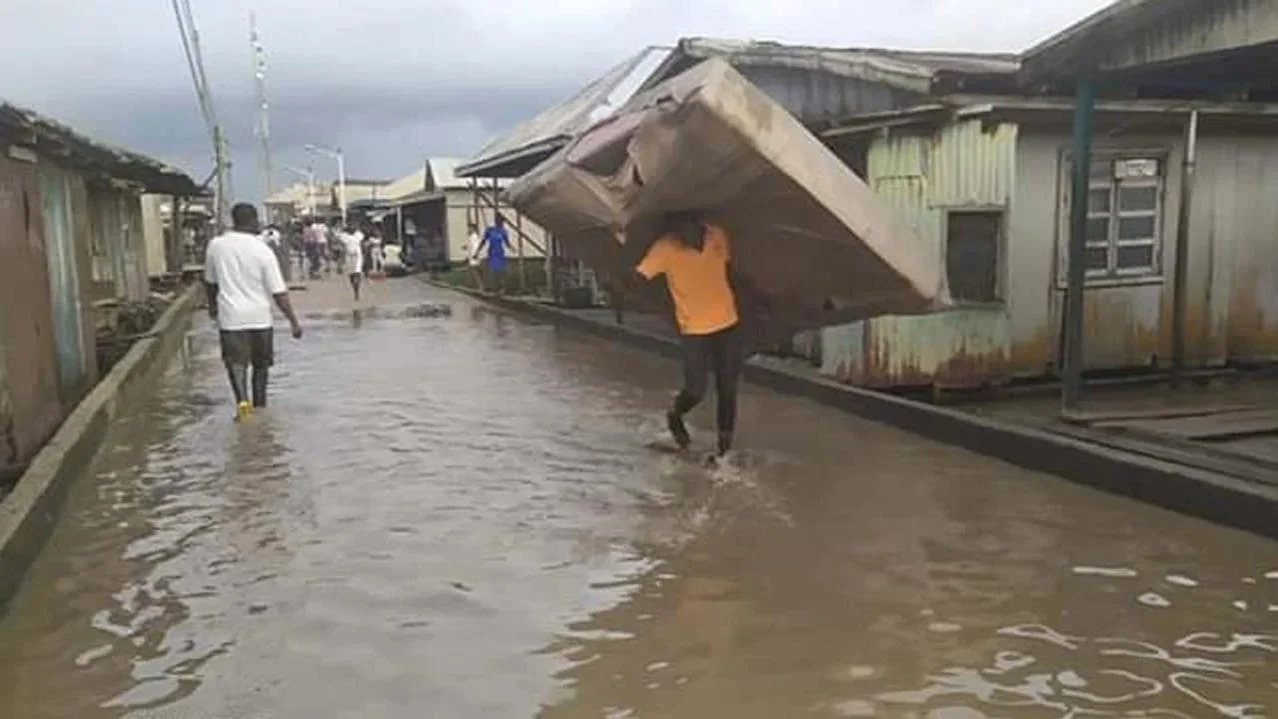
Flood Crisis Deepens in Calabar South as Homes and Roads Submerged
Residents of Ekpo Abasi and neighbouring communities in Calabar South Local Government Area of Cross River State have appealed for urgent government intervention following severe flooding that has damaged homes, disrupted livelihoods and heightened safety concerns. The flooding, which residents attribute to persistent drainage failures and heavy rainfall, has left several households struggling to cope with repeated property losses and deteriorating living conditions.
/ You Might Also Like /




The affected residents say the situation has worsened over the years, with floodwaters frequently invading homes, rendering roads impassable and creating health risks for vulnerable members of the community. As rainfall intensity increases during the wet season, fears are growing that the flooding could result in more significant destruction if long-term solutions are not implemented.
Residents Count Losses as Homes Remain Under Threat
Community members report that repeated flooding has caused extensive damage to residential properties, household belongings and small businesses. Many residents say they have been forced to spend significant amounts on repairs after every major rainfall, placing additional pressure on households already dealing with economic challenges.
According to local accounts, floodwaters often rise rapidly during heavy downpours, entering homes and leaving families with little time to protect their belongings. Residents described the recurring incidents as both financially and emotionally draining, particularly for low-income households with limited resources to recover from repeated losses.
Several homeowners expressed concern that structural damage caused by constant exposure to floodwater could eventually render some buildings unsafe for habitation.
Poor Drainage Infrastructure Blamed for Crisis
Residents and community leaders have linked the flooding to inadequate drainage infrastructure and blocked water channels across the area. They argue that existing drainage systems can no longer effectively handle the volume of water generated during periods of heavy rainfall.
Many of the affected communities are located in low-lying areas that are naturally vulnerable to flooding. However, residents contend that poor maintenance of drainage networks and uncontrolled waste disposal have significantly worsened the problem.
Stakeholders have also raised concerns about rapid urban development without corresponding investments in stormwater management infrastructure. They argue that increasing construction activities have altered natural water pathways, contributing to the frequency and severity of flooding incidents.
Public Health and Safety Risks Increase
Beyond property damage, residents warn that the flooding poses serious health and safety challenges. Stagnant floodwater has become a breeding ground for mosquitoes and other disease-carrying organisms, increasing the risk of malaria and waterborne illnesses.
Parents have expressed concern about the safety of children who must navigate flooded streets to attend school, while elderly residents face additional difficulties moving around affected areas.
Community members also fear that continued flooding could trigger building collapses or other structural failures if urgent interventions are not undertaken.
The disruption has affected access to schools, healthcare facilities and local markets, reducing economic activity and making daily life increasingly difficult for residents.
Calls for Government Intervention
Residents have urged the Cross River State Government, Calabar South Local Government authorities and relevant federal agencies to take immediate action to address the situation.
Among their key demands are the rehabilitation and expansion of drainage infrastructure, regular clearing of blocked channels and the implementation of comprehensive flood-control measures designed to provide long-term relief.
Community leaders also called for emergency support for affected households, particularly those who have suffered significant property damage or displacement as a result of the flooding.
According to residents, previous appeals for intervention have yielded limited results, leaving communities vulnerable each time the rainy season begins.
Flooding Remains a Growing Urban Challenge
The situation in Calabar South reflects broader flooding challenges affecting urban centres across Nigeria. Rapid population growth, inadequate drainage systems, poor waste management practices and increasingly unpredictable weather patterns have combined to increase flood risks in many cities.
Environmental experts have repeatedly warned that climate change is contributing to more intense rainfall events, making investment in resilient urban infrastructure increasingly important.
For policymakers, the recurring flooding in Calabar South highlights the need for integrated urban planning strategies that combine infrastructure upgrades, environmental management and community awareness programmes.
Outlook
The flooding crisis in Calabar South has once again exposed the vulnerability of communities facing inadequate drainage infrastructure and recurring environmental challenges. For affected residents, the immediate concern remains the protection of lives, homes and livelihoods as the rainy season progresses.
While emergency interventions may provide short-term relief, stakeholders argue that sustainable solutions will require substantial investment in drainage networks, flood-control infrastructure and urban planning measures. The effectiveness of these efforts will determine whether communities in Calabar South can avoid future cycles of destruction and displacement caused by recurring floods.
READ MORE