Nigeria Ranks Among Africa's Top 15 Most Expensive Luxury Rental Markets
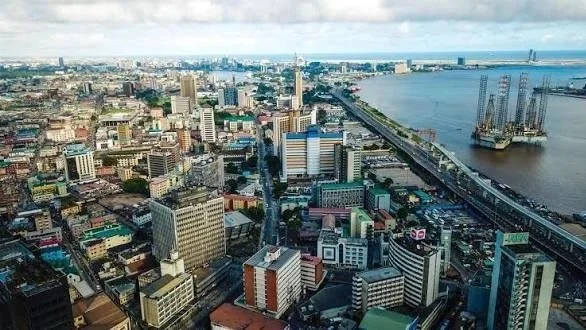
Lagos, Abuja Drive Nigeria's Rise in Africa's Luxury Rental Rankings
Nigeria has been ranked among Africa's top 15 countries with the highest luxury residential rental rates, highlighting the continued strength of the country's premium property market despite persistent affordability challenges across the wider housing sector. According to The Africa Report 2026/27 (7th Edition): The Ultimate Guide to Africa's Real Estate Markets, prime four-bedroom homes in Lagos and Abuja command an average monthly rent of $3,000, placing Nigeria among the continent's leading luxury rental destinations.
/ You Might Also Like /




The report, which draws on data from Knight Frank and Emerging Markets, attributes Nigeria's position to sustained demand from high-net-worth individuals, expatriates, multinational corporations and corporate executives seeking premium accommodation in secure, high-end locations. While the luxury segment remains resilient, the findings also underscore the widening gap between premium and mainstream housing markets amid ongoing housing supply shortages.
Lagos and Abuja Continue to Drive Luxury Rental Demand
Nigeria's luxury rental market remains concentrated in prime neighbourhoods across Lagos and Abuja.
In Lagos, high-end districts such as Ikoyi, Banana Island and Eko Atlantic City continue to attract affluent tenants because of their premium residential developments, modern infrastructure and enhanced security. In the Federal Capital Territory, Maitama, Asokoro and Wuse remain the preferred locations for diplomats, senior government officials, multinational executives and wealthy investors.
According to the report, these areas continue to record robust occupancy levels despite broader economic pressures, reflecting sustained demand for quality housing in strategically located urban centres.
Housing Supply Constraints Continue to Support Rental Growth
The report notes that Nigeria's formal housing supply remains significantly below demand, a structural challenge that continues to influence rental prices across both the luxury and mainstream residential markets.
Although inflationary pressures have moderated in recent months, limited housing stock, rapid urbanisation and sustained demand have continued to place upward pressure on rental values. As a result, many middle-income households are increasingly shifting towards smaller and more affordable housing options, while the luxury segment continues to benefit from relatively stable demand.
For investors, the findings reinforce the resilience of prime residential assets, particularly in locations with established infrastructure, strong security and proximity to commercial and diplomatic centres.
DR Congo Tops Africa's Luxury Rental Rankings
Across the continent, the Democratic Republic of Congo (DRC) recorded the highest luxury residential rents, with prime four-bedroom homes averaging $8,000 per month. The report attributes the high rental values to strong demand from expatriates, diplomats, mining executives and international organisations operating in Kinshasa.
Senegal ranked second with average monthly rents of $7,900, followed by Côte d'Ivoire at $5,200.
South Africa, Morocco and Zambia each recorded average luxury rents of $4,500, while Cameroon, Ethiopia and Ghana posted average monthly rents of $4,000. Tanzania followed at $3,500, with Kenya at $3,100. Nigeria, Egypt and Mauritius each recorded average luxury rents of $3,000, while Tunisia had the lowest average among the ranked markets at approximately $2,500 per month.
Premium Market Remains Resilient
The report identifies several factors supporting Africa's luxury residential market, including increased business travel, cross-border investment, tourism growth, expatriate demand and rising interest from diaspora investors.
Limited availability of premium residential properties in major commercial and diplomatic centres has also helped sustain rental values, even as broader housing markets continue to face affordability constraints.
Analysts note that integrated developments, gated communities and mixed-use projects are becoming increasingly attractive to affluent tenants seeking enhanced security, reliable infrastructure and modern amenities.
Outlook
Nigeria's inclusion among Africa's most expensive luxury rental markets reflects the continued strength of its premium residential sector, driven by sustained demand and constrained supply.
While the country's broader housing market continues to grapple with affordability challenges and a significant housing deficit, the luxury segment remains relatively resilient. For developers and investors, the findings reinforce the importance of expanding high-quality residential supply while also addressing the wider need for affordable housing to support balanced and sustainable growth across the property market.
READ MORE