Nigeria’s Urban Future Hinges on Housing Reform to Meet SDG 11
Nigeria’s pursuit of Sustainable Development Goal 11 (SDG 11), which focuses on building inclusive, safe, resilient, and sustainable cities, remains closely tied to its ability to address housing deficits, infrastructure gaps, and rapid urbanisation. This Report highlights both the structural challenges and emerging opportunities shaping the country’s progress toward achieving its 2030 housing targets.
Understanding SDG 11 and Housing Targets
SDG 11, established by the United Nations, aims to ensure access to adequate, safe, and affordable housing while improving urban infrastructure and upgrading slums by 2030.
Housing sits at the centre of this goal, particularly in developing economies such as Nigeria, where urban population growth continues to outpace housing supply. The goal also encompasses broader urban priorities, including sustainable transport systems, environmental management, and inclusive urban planning
/ You Might Also Like /




Nigeria’s Housing Deficit and Urban Pressures
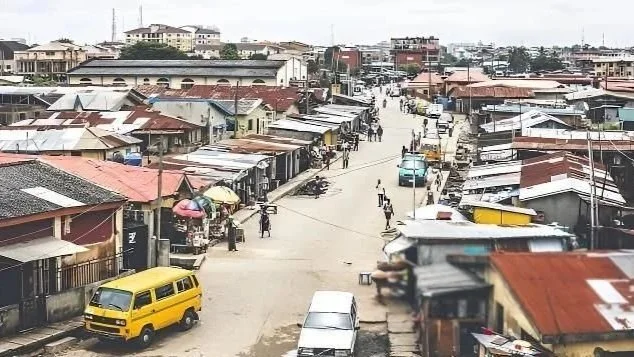
Nigeria faces a significant housing deficit, driven by rapid urbanisation, population growth, and limited access to affordable housing finance. A large proportion of the urban population resides in informal settlements, reflecting gaps in housing delivery and infrastructure provision.
Urban centres continue to experience mounting pressure on basic services, including transportation, water supply, and waste management. These challenges align with broader global trends, where cities struggle with congestion, inadequate infrastructure, and housing shortages.
The persistence of informal housing and slum development underscores the difficulty of achieving SDG 11 targets within the current policy and investment framework.
Structural Challenges Limiting Progress
Several structural constraints continue to hinder Nigeria’s progress toward SDG 11:
Financing constraints: Limited access to long-term, low-cost housing finance restricts both developers and homebuyers.
Infrastructure deficits: Weak supporting infrastructure increases development costs and reduces housing affordability.
Regulatory inefficiencies: Land administration, permitting processes, and policy inconsistencies slow housing delivery.
Construction costs: Rising material costs and inflation continue to affect project viability.
These challenges reflect broader systemic issues within Nigeria’s housing ecosystem, where supply-side limitations intersect with affordability gaps.
Emerging Opportunities in the Housing Sector
Despite these constraints, the report identifies several opportunities that could accelerate progress toward SDG 11:
Public-Private Partnerships (PPPs)
Stronger collaboration between government and private developers is expected to improve housing supply and unlock financing. PPPs have already shown potential in delivering large-scale housing projects and attracting investment into the sector.
Sustainable and Innovative Building Practices
Adoption of sustainable construction methods, including energy-efficient designs and alternative building materials, can reduce costs and improve long-term housing quality. These approaches also align with environmental targets under SDG 11.
Policy Reforms and Institutional Strengthening
Reforms in land administration, mortgage systems, and urban planning frameworks can significantly improve housing delivery. Enhancing regulatory clarity and reducing bottlenecks will be critical to scaling investment.
Urban Planning and Smart Development
Integrated urban planning that combines housing with transport, energy, and social infrastructure will improve liveability and economic productivity. This approach reflects global best practices in sustainable city development.
Strategic Outlook for 2030
Achieving SDG 11 in Nigeria will require coordinated action across multiple levels of government and the private sector. The scale of the housing deficit and the pace of urbanisation demand accelerated investment, policy alignment, and institutional reforms.
Failure to address these issues risks widening inequality and increasing pressure on already strained urban systems. Conversely, effective implementation of housing strategies can drive economic growth, job creation, and improved living standards.
Nigeria’s pathway to achieving SDG 11 remains complex but attainable. Housing lies at the core of this agenda, serving as both a challenge and an opportunity. While structural constraints continue to slow progress, targeted reforms, increased investment, and sustainable development strategies can position the country to meet its 2030 urban development goals.
READ MORE