Developers Warned to Adopt Future Ready Housing Models or Risk Market Irrelevance
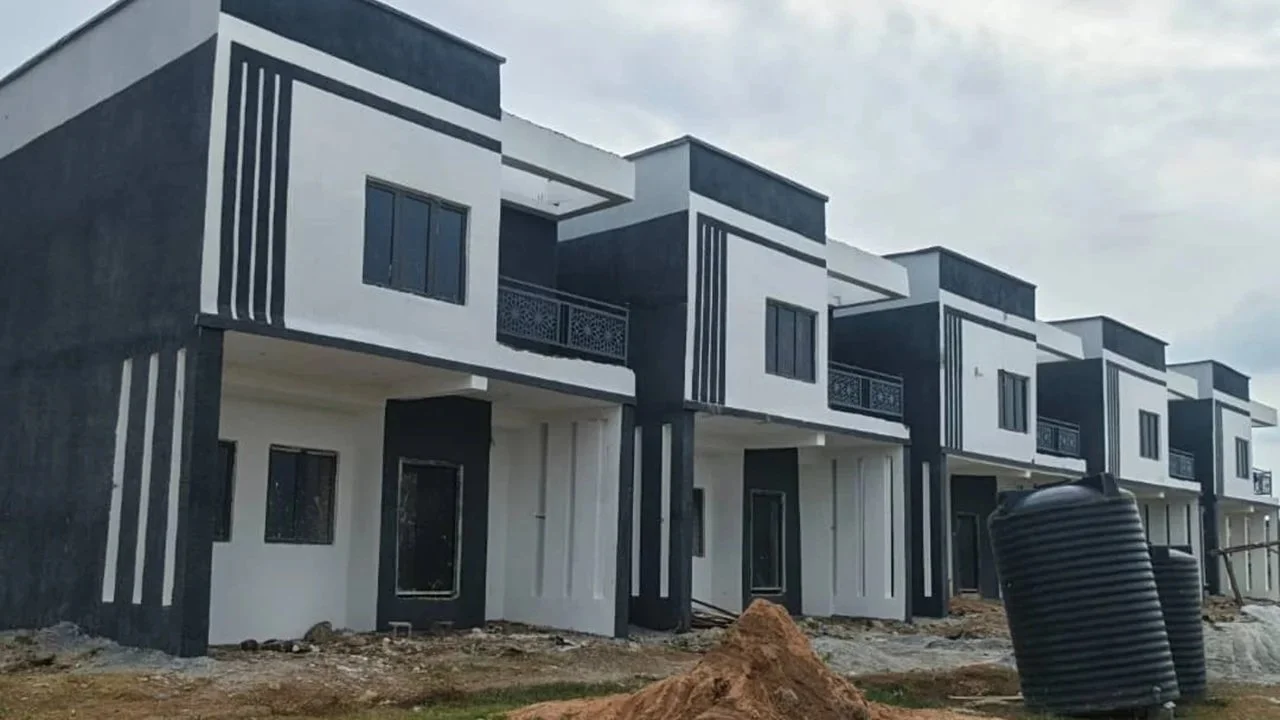
Industry Leaders Push for Smart, Energy-Integrated Housing in Nigeria
Real estate developers in Nigeria have been advised to adopt future-ready housing models or risk becoming obsolete in a rapidly evolving property market. The call was made by industry stakeholders ahead of the 20th edition of the Africa International Housing Show, highlighting the urgent need for innovation in response to urbanisation, technological shifts, and changing consumer expectations.
Shift from Basic Housing to Integrated Living Systems
Industry experts emphasise that traditional housing models focused primarily on providing basic shelter no longer meet the demands of modern urban living. Instead, developers must transition toward integrated housing systems that combine technology, energy solutions, and mobility infrastructure.
According to Festus Adebayo, chief convener of the Africa International Housing Show, the future of housing lies in delivering “complete living systems” that incorporate affordability, sustainability, and advanced technologies.
/ You Might Also Like /

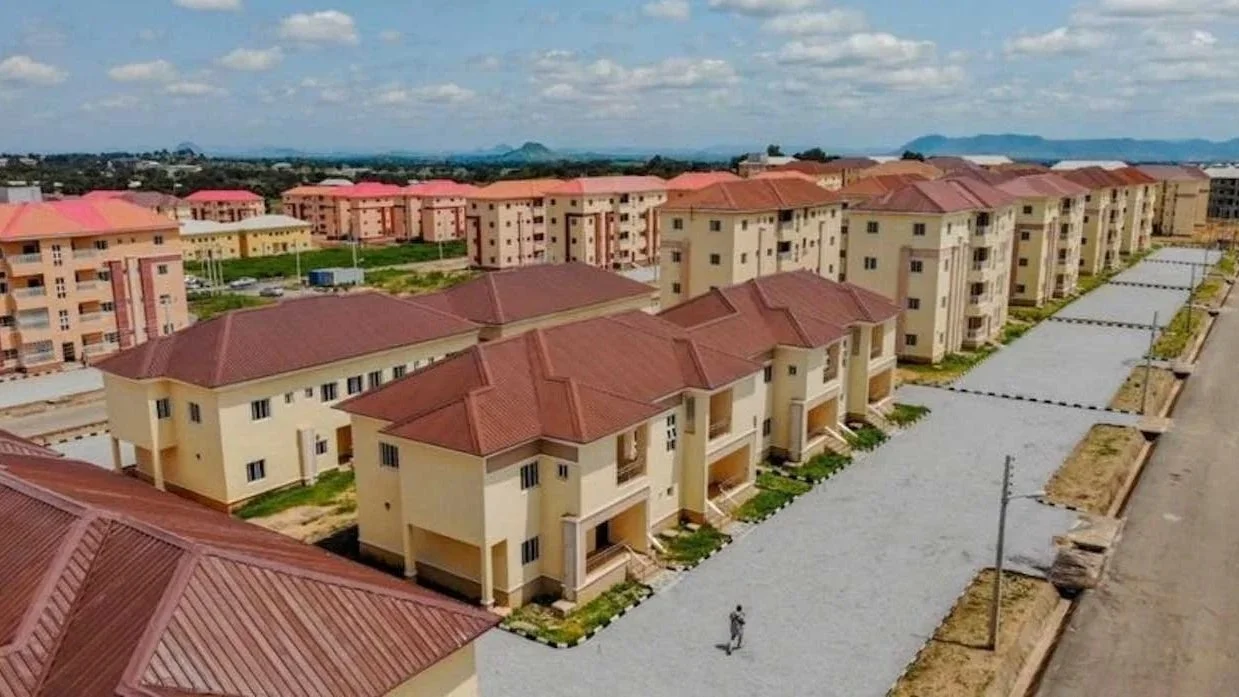

This shift reflects broader global trends where residential developments increasingly integrate smart home features, renewable energy systems, and digital infrastructure to enhance efficiency and quality of life.
Technology and Energy Integration as Key Drivers
A central theme in the industry’s transformation is the integration of emerging technologies, particularly in energy and mobility. Developers are being urged to incorporate renewable energy solutions and smart systems into housing projects to remain competitive.
One of the most critical areas identified is the inclusion of electric vehicle (EV) charging infrastructure in residential developments. As global adoption of electric mobility accelerates, homes without EV readiness risk rapid obsolescence.
Experts note that developers must upgrade electrical systems and design estates capable of supporting both residential energy consumption and future mobility needs
Urbanisation and Changing Demand Patterns
Rapid urbanisation across Nigeria and other African markets continues to reshape housing demand. Population growth in cities is increasing pressure on infrastructure while also driving demand for more efficient, connected, and sustainable living environments.
Modern homebuyers and renters are placing greater emphasis on functionality, energy efficiency, and technological integration. This evolution in consumer preferences is forcing developers to rethink design, construction, and long-term asset value.
Industry Collaboration and Policy Alignment
The Africa International Housing Show is expected to bring together policymakers, developers, financial institutions, and investors to address these emerging challenges and opportunities.
Stakeholders are expected to explore frameworks that encourage innovation, improve access to financing, and support the adoption of sustainable building practices across the housing value chain.
Implications for Nigeria’s Real Estate Sector
The warning to developers carries significant implications for Nigeria’s real estate market. Projects that fail to incorporate future-ready features may face declining demand, reduced asset value, and limited investor interest.
Conversely, developers who align with global trends in smart housing, sustainability, and mobility stand to benefit from increased demand and long-term competitiveness.
The call for future-ready housing models signals a structural shift in Nigeria’s real estate sector. As urbanisation accelerates and technology reshapes living standards, developers must move beyond conventional building approaches to remain relevant. The pace of adoption will determine which players lead or lag in an increasingly innovation-driven housing market.
READ MORE