Construction of Building: The Ultimate 2026 Step-by-Step Guide
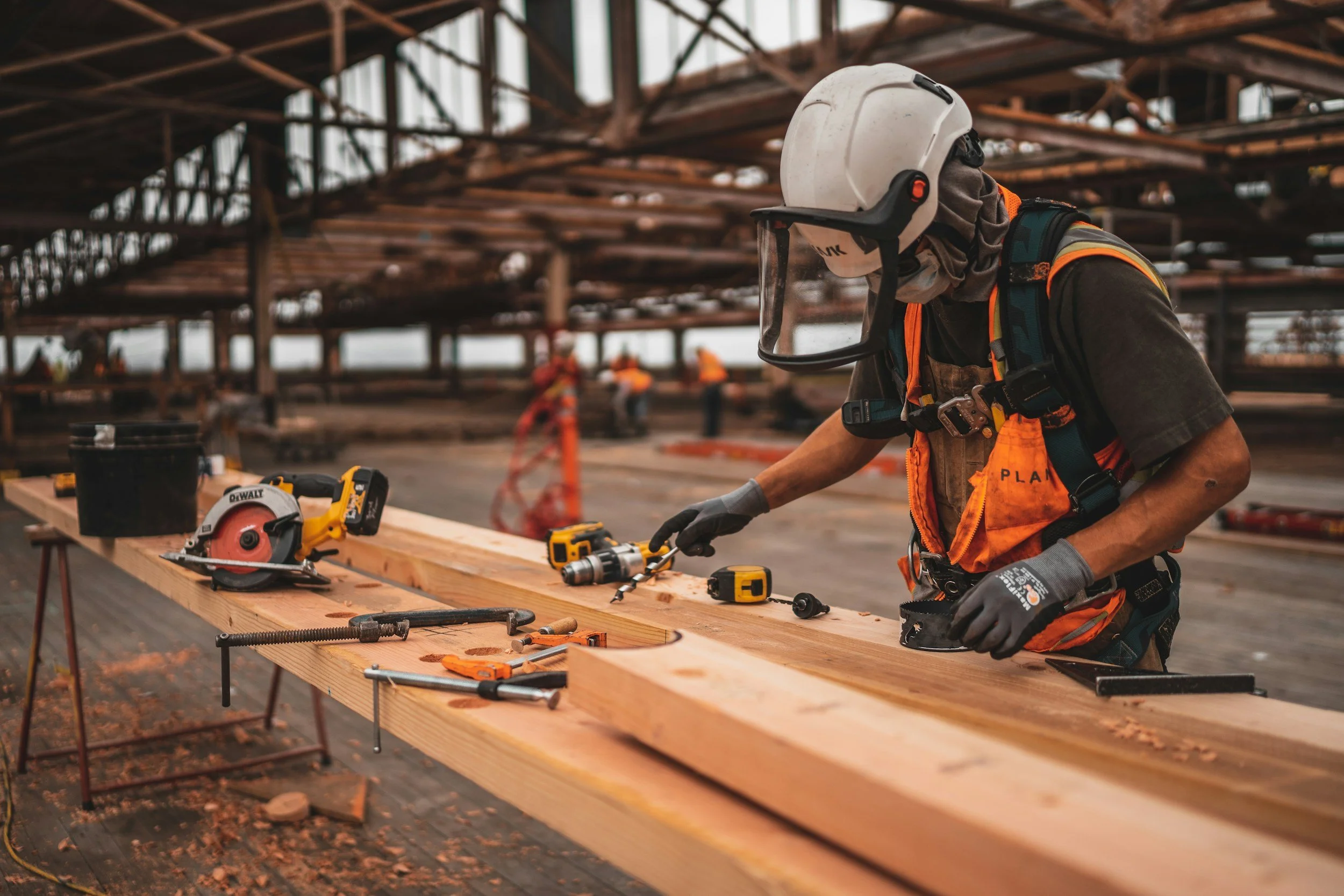
The construction of building projects has evolved significantly in 2026. With rising material costs and stricter enforcement of the National Building Code (NBC), understanding the lifecycle of a construction project is essential to avoid structural failure or legal demolition.
Whether you are a first-time homeowner or a developer, this guide breaks down the technical and administrative stages of bringing a structure to life.
1. Pre-Construction: Planning and Permits
Before a single brick is laid, the most critical work happens on paper.
Land Survey & Soil Test: A geotechnical report is now mandatory for buildings above two floors in many regions (like Lagos and Abuja) to determine foundation depth.
Architectural & Structural Drawings: Ensure your plans are stamped by ARCON (Architects) and COREN (Engineers).
Development Permit: In 2026, building without a permit from agencies like LASPPPA can lead to immediate "Stop Work" orders and heavy fines.
2. Stage-by-Stage Construction Process
The physical construction of a building is typically divided into two phases: Substructure (below ground) and Superstructure (above ground).
Phase 1: Substructure (The Foundation)
Site Clearing: Removing vegetation and debris.
Setting Out: Transferring the building plan from paper to the ground using pegs and lines.
Excavation: Digging trenches for the foundation based on the structural engineer’s specifications.
Foundation Footing: Pouring concrete (often reinforced with iron rods) to create a stable base.
Phase 2: Superstructure (The Skeleton)
Blockwork & Columns: Raising the walls and casting reinforced concrete columns to support the weight of the roof or upper floors.
Lintels & Beams: Horizontal supports placed over windows and doors.
Roofing: In 2026, lightweight steel trusses are becoming more popular than traditional timber due to durability and fire resistance.
| Material | Unit | Estimated Price (₦) |
|---|---|---|
| Cement (Dangote/BUA) | 50kg Bag | ₦6,500 - ₦7,500 |
| 9-inch Hollow Blocks | Per Piece | ₦280 - ₦350 |
| Reinforcement (12mm) | Per Tonne | ₦440,000 - ₦460,000 |
| Granite | 20 Tonnes | ₦180,000 - ₦210,000 |
3. Finishing: Plumbing, Electrical, and Plastering
This is the most expensive phase of the construction of a building.
Mechanical & Electrical (M&E): Piping for water and conduits for wiring are installed before plastering.
Plastering & Rendering: Protecting the blockwork and creating a smooth surface for painting.
Flooring & Tiling: Ceramic, vitrified, or marble tiles are laid based on the budget.
4. Why Building Standards Matter in 2026
With the increasing impact of climate change in Nigeria, 2026 construction trends emphasize Climate Resilience:
Drainage Systems: Ensure your site plan accounts for invert levels to prevent flooding.
Energy Efficiency: Use of "Cool Roofs" and high-performance insulation to reduce HVAC costs.
Professional Oversight: By law, a COREN registered engineer must supervise the structural integrity of the project to ensure it meets the National Building Code.