Nigeria Launches Rent Assistance and Rent-to-Own Schemes to Ease Housing Pressure
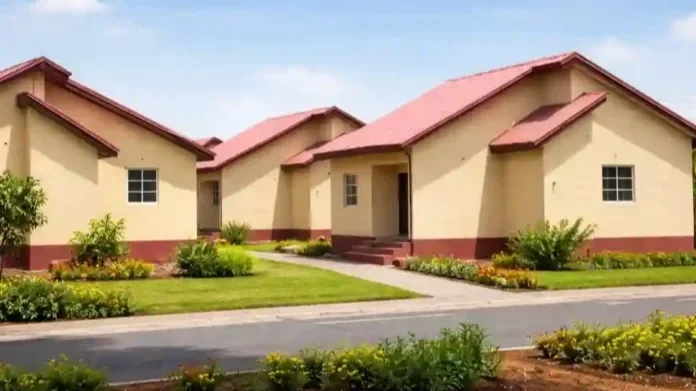
FG Introduces Rent-to-Own Scheme to Address Nigeria’s Housing Crisis
Nigeria’s federal government has introduced a series of renter-focused housing interventions aimed at addressing the country’s escalating rent crisis, with new schemes designed to improve affordability and access to housing. The initiatives, announced by the Minister of Housing and Urban Development, target urban workers and low to middle income households struggling with rising rental costs.
New Rent-to-Own and Rental Support Schemes
Central to the government’s intervention is a rent-to-own housing scheme, which enables eligible Nigerians to move into homes while making monthly payments toward eventual ownership. The programme is being implemented through the Federal Mortgage Bank of Nigeria (FMBN).
In addition, the government has launched a rental assistance product that allows tenants to pay annual rent upfront while repaying in flexible monthly instalments. According to the Minister of Housing and Urban Development, Ahmed Dangiwa, these measures are designed to provide practical relief for households facing affordability constraints
/ You Might Also Like /


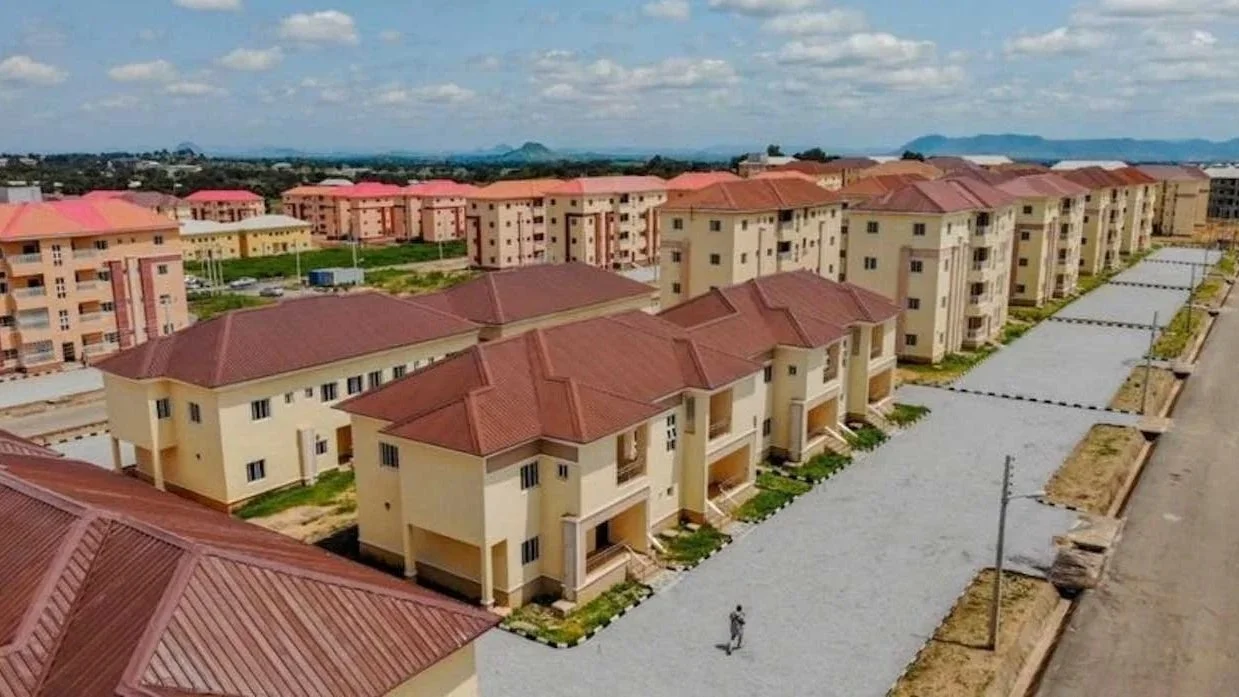

Rising Rent Burden Across Urban Centres
The intervention comes amid a sharp increase in housing costs across Nigeria’s major cities. Data cited in the report shows that the country’s income-to-rent ratio has reached approximately 70 percent—more than double the 30 percent benchmark recommended by the United Nations.
This imbalance places significant financial strain on households, limiting their ability to meet other essential expenses such as healthcare, education, and food. The situation is particularly acute for urban dwellers, where rental prices have risen rapidly due to supply constraints and population growth.
Public-Private Partnerships Drive Investment
The government’s broader housing strategy includes the Renewed Hope Housing Programme, which encompasses large-scale housing developments such as Renewed Hope Cities, state-level estates, and social housing initiatives for low-income earners.
These efforts have attracted over ₦70 billion in private sector investment through public-private partnerships, signalling increased investor confidence in the housing sector.
Urban Renewal and Slum Upgrading Initiatives
Beyond affordability measures, the government is also advancing the National Urban Renewal and Slum Upgrade Programme. This initiative focuses on improving infrastructure, rehabilitating existing housing stock, and expanding access to basic services in underserved communities.
The programme aligns with broader continental and global housing frameworks, including commitments to inclusive urban development and sustainable housing solutions.
Structural Challenges Remain
Despite the new interventions, structural challenges continue to constrain the housing sector. Limited access to mortgage financing, low income levels, and inadequate housing supply remain key barriers to homeownership.
The Minister emphasised that the housing crisis in Nigeria is not solely driven by supply shortages but also by affordability gaps, where many citizens cannot access available housing due to income constraints.
The federal government’s renter-focused housing initiatives represent a targeted response to Nigeria’s deepening rent crisis. While rent-to-own and rental assistance schemes provide immediate relief, long-term resolution will depend on expanding housing supply, improving financing access, and sustaining private sector participation. The effectiveness of these policies will shape housing affordability and urban stability in the years ahead.
READ MORE