What is the National Economic Council (NEC)? Functions, Members, and 2026 Updates
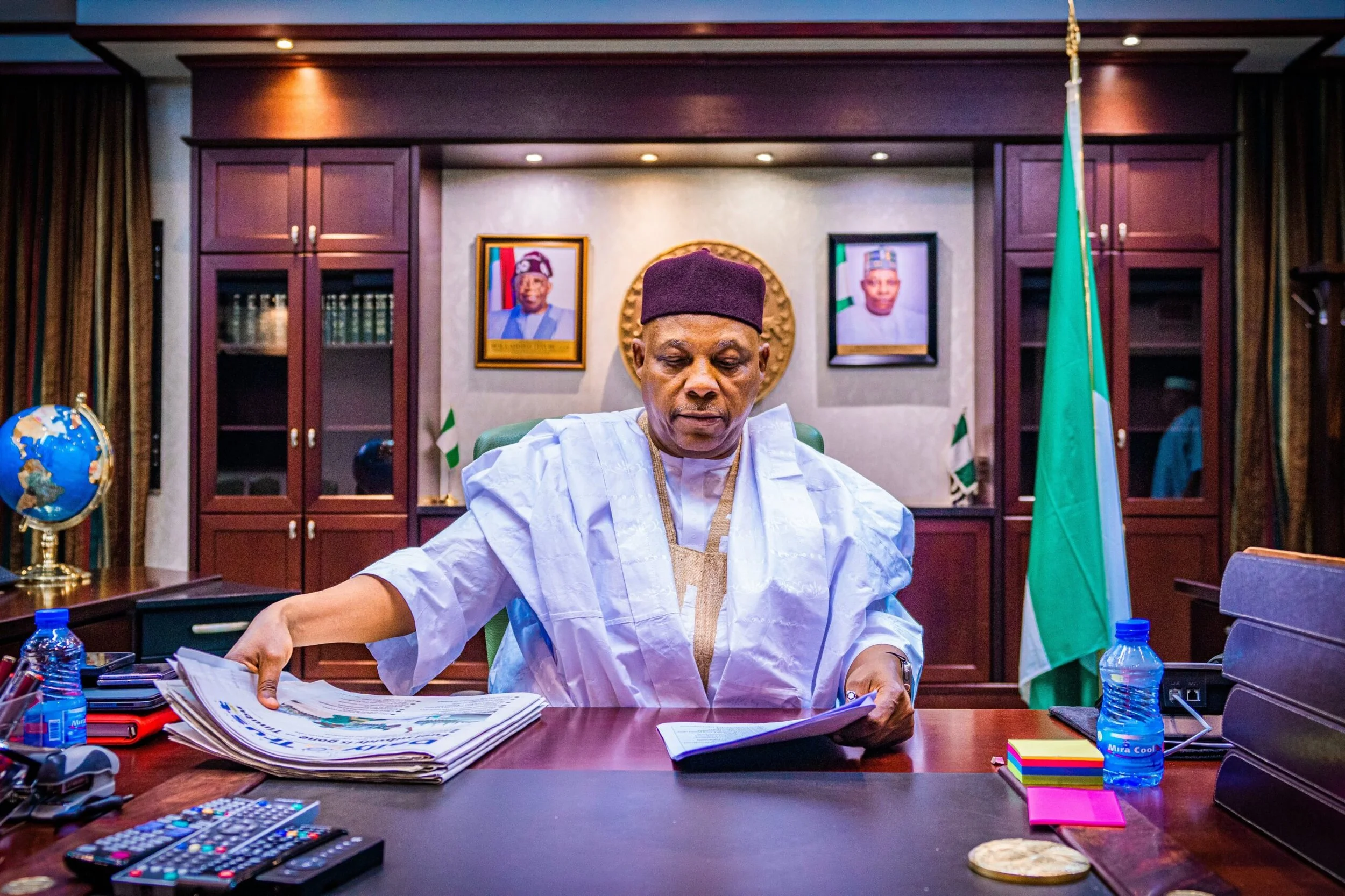
The National Economic Council (NEC) is Nigeria’s highest advisory body on economic matters. Established by the 1999 Constitution, the NEC serves as the bridge between the Federal Government and the 36 States, ensuring that economic policies are synchronized across all levels of government.
In 2026, the NEC has taken a center-stage role in navigating Nigeria’s transition from an oil-dependent economy to a diversified, non-oil powerhouse.
Who are the Members of the National Economic Council?
The composition of the NEC is designed to ensure every state has a seat at the table. According to Section 153(1) of the Constitution, the council consists of:
The Chairman: The Vice President of Nigeria (Sen. Kashim Shettima).
The Governors: The Executive Governors of all 36 States of the Federation.
The Minister of Finance and Coordinating Minister of the Economy.
Other Co-opted Members: Often including the Minister of Budget and Economic Planning and the Accountant-General of the Federation.
Key Functions of the NEC
The primary mandate of the National Economic Council is to advise the President on the economic affairs of the Federation. Specifically, it focuses on:
Economic Planning Coordination: Harmonizing the economic programs of the Federal and State governments to avoid conflicting policies.
Fiscal Policy Advice: Reviewing national budgets, revenue targets, and debt management strategies.
Monetary Policy Review: Monitoring inflation, exchange rates, and liquidity in collaboration with the CBN.
Special Intervention Monitoring: Overseeing funds like the Excess Crude Account (ECA) and the Stabilization Fund.
Recent NEC Decisions and 2026 Priorities
As of the first quarter of 2026, the NEC has shifted its focus toward aggressive infrastructure development and fiscal reform.
1. The 2026-2030 National Development Plan
The Council recently approved the framework for the new Medium-Term National Development Plan, aiming for an ambitious GDP growth target of 4.68% for the 2026 fiscal year.
2. Legacy Infrastructure Projects
A bipartisan committee was established in January 2026 to oversee President Bola Tinubu’s legacy projects, including:
The Lagos-Calabar Coastal Highway.
The Sokoto-Badagry Super Highway.
3. Non-Oil Revenue Mobilization
With non-oil sectors now accounting for roughly 96% of Nigeria's GDP, the NEC is currently pushing for state-level tax harmonization to improve internal revenue (IGR) without overtaxing small businesses.
FAQ: Frequently Asked Questions
How often does the NEC meet?
The National Economic Council typically meets once a month at the State House in Abuja, though emergency or virtual sessions are held when urgent economic shifts occur.
Who is the current Chairman of the NEC?
The current Chairman is Vice President Kashim Shettima. He took over the role in May 2023 and continues to lead the council in 2026.
Does the NEC make laws?
No. The NEC is an advisory body. While its resolutions carry significant political and executive weight, any policy requiring law must still be passed by the National Assembly or State Houses of Assembly.