Nigeria’s Cocoa and Cashew Exports Dominate Agricultural Trade in 2025
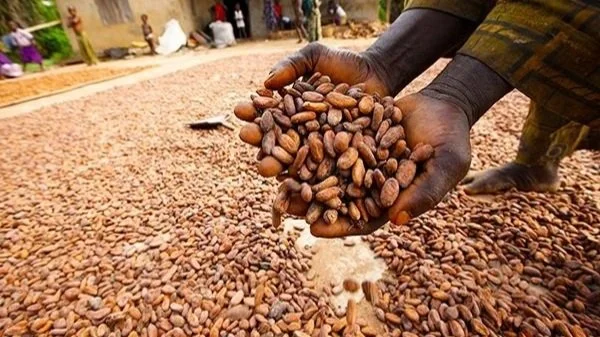
Nigeria Records Strong Agricultural Exports as Cocoa and Cashew Take Lead
Nigeria’s agricultural export sector recorded strong performance in 2025, with cocoa and cashew emerging as the dominant commodities driving non-oil export earnings. The development underscores a gradual shift toward export diversification and increased reliance on high-value cash crops amid ongoing efforts to reduce dependence on crude oil revenue.
Cocoa and Cashew Drive Export Expansion
Cocoa and cashew accounted for the largest share of Nigeria’s agricultural exports in 2025, reinforcing their status as the country’s most commercially viable cash crops. The report highlights sustained global demand and favourable pricing as key drivers behind the surge in export volumes and revenues.
Cocoa, in particular, benefited from supply constraints in major producing countries, which pushed international prices higher. Nigerian exporters capitalised on this trend, increasing shipments to key markets in Europe and Asia. Cashew followed a similar trajectory, with strong demand from processing hubs in Asia supporting export growth.
/ You Might Also Like /




Non-Oil Export Diversification Gains Momentum
The dominance of cocoa and cashew reflects broader policy efforts to diversify Nigeria’s export base. Government initiatives aimed at boosting agricultural productivity, improving value chains, and enhancing export logistics have begun to yield measurable results.
According to the report, agricultural exports continue to play a critical role in Nigeria’s non-oil trade performance. The sector’s growth provides a buffer against volatility in global oil markets and supports foreign exchange earnings.
However, the export structure remains concentrated, with a limited number of commodities accounting for the bulk of earnings. This concentration exposes the sector to price shocks and supply chain disruptions, highlighting the need for further diversification within agriculture.
Challenges Across the Value Chain
Despite the strong performance, structural challenges persist. Limited processing capacity means that a significant portion of cocoa and cashew exports leave Nigeria in raw form, reducing potential value addition and export earnings.
Infrastructure deficits, including transportation and storage constraints, continue to affect efficiency across the supply chain. In addition, access to finance for smallholder farmers and exporters remains a key bottleneck.
The report also notes that global competitiveness depends on quality standards, traceability, and compliance with international regulations. Addressing these issues will be essential for sustaining export growth.
Policy Implications and Strategic Outlook
The prominence of cocoa and cashew in Nigeria’s export portfolio presents both an opportunity and a strategic imperative. Policymakers must deepen investments in agro-processing, improve rural infrastructure, and strengthen extension services to enhance productivity and value addition.
Expanding into other high-value crops and agro-processed goods will reduce concentration risks and stabilise export earnings. Strengthening trade facilitation and reducing bottlenecks at ports will also improve Nigeria’s competitiveness in global markets.
Cocoa and cashew anchored Nigeria’s agricultural export performance in 2025, signalling progress in the country’s non-oil diversification agenda. While strong global demand and favourable pricing supported growth, structural constraints and export concentration remain key risks. Sustained policy focus on value addition, infrastructure, and diversification will determine the sector’s long-term contribution to economic stability and growth.
READ MORE