Flooding Crisis Hits Ajao Estate as Residents Decry Abandoned Drainage Project
Ajao Estate Flood Crisis Highlights Infrastructure Gaps in Lagos
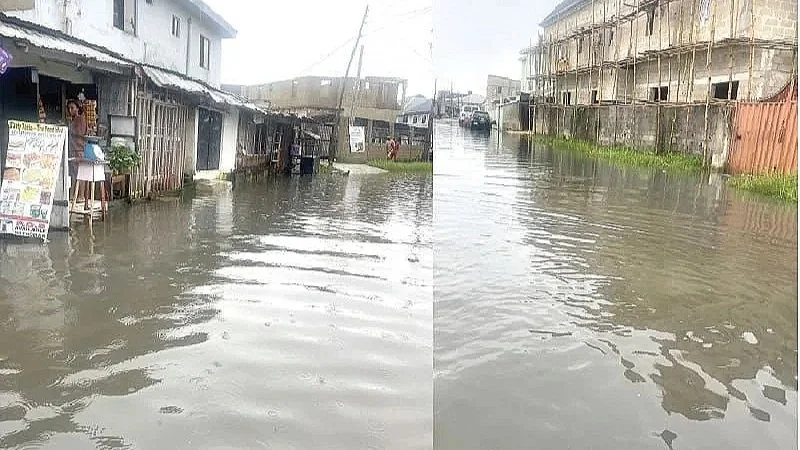
Residents of Ajao Estate in Lagos are grappling with severe flooding following the abandonment of a critical drainage project, raising concerns over infrastructure failure and heightened environmental risk in one of the city’s densely populated residential areas.
Escalating Flood Risk in Ajao Estate
According to Housing TV Africa, persistent flooding has inundated homes and disrupted daily activities in Ajao Estate, with residents attributing the situation to an incomplete drainage system intended to channel stormwater effectively.
Affected residents report that the abandoned project has left large sections of the estate exposed to water accumulation, particularly during periods of heavy rainfall. The situation has increased the vulnerability of buildings, road networks, and basic sanitation systems.
/ You Might Also Like /


Infrastructure Breakdown and Urban Planning Gaps
The crisis highlights structural deficiencies in urban infrastructure delivery and maintenance. Drainage systems remain a critical component of flood management in Lagos, where rapid urbanisation continues to outpace infrastructure development.
In Ajao Estate, the failure to complete the drainage project has effectively undermined the area’s flood resilience capacity. Without functional water channels, runoff accumulates quickly, overwhelming streets and residential compounds.
This pattern reflects a broader issue across Lagos, where low-lying areas and inadequate drainage networks contribute significantly to recurring flood incidents. Urban planning violations and blocked waterways further exacerbate the problem.
Socio-Economic Impact on Residents
Flooding in the estate has imposed both immediate and long-term costs on residents:
Property damage: Water intrusion has affected homes, reducing property values and increasing maintenance costs.
Health risks: Stagnant water creates breeding grounds for disease vectors, increasing public health concerns.
Mobility disruption: Flooded roads restrict movement, affecting access to workplaces and essential services.
For property owners and tenants, the repeated exposure to flooding undermines housing stability and raises insurance and repair costs.
Government Response and Policy Context
The Lagos State Government has consistently identified flooding as a major environmental challenge, particularly ahead of the annual rainy season. Authorities have urged residents to maintain drainage channels and avoid indiscriminate waste disposal, which contributes to blockages.
However, the situation in Ajao Estate underscores the limits of community-level interventions when core infrastructure projects remain incomplete. Effective flood mitigation requires coordinated execution of drainage systems, regulatory enforcement, and sustained investment.
Infrastructure and Climate Resilience Implications
The Ajao Estate flooding crisis reflects a wider infrastructure deficit in rapidly expanding urban centres. As climate variability increases rainfall intensity, the need for resilient drainage infrastructure becomes more urgent.
For policymakers, the incident reinforces three priorities:
Completion and maintenance of drainage infrastructure
Strengthening urban planning enforcement
Integrating climate resilience into housing and infrastructure policy
The flooding crisis in Ajao Estate illustrates the direct consequences of incomplete infrastructure projects in high-density urban environments. While Lagos continues to pursue flood control measures, the situation highlights the need for timely project delivery, stronger oversight, and long-term planning. Addressing these gaps will be critical to safeguarding housing, infrastructure, and economic activity in Nigeria’s commercial capital.
READ MORE