Why Nigeria’s Call for an Inclusive Global Economic Reset Matters for Real Estate Investors and Market Growth
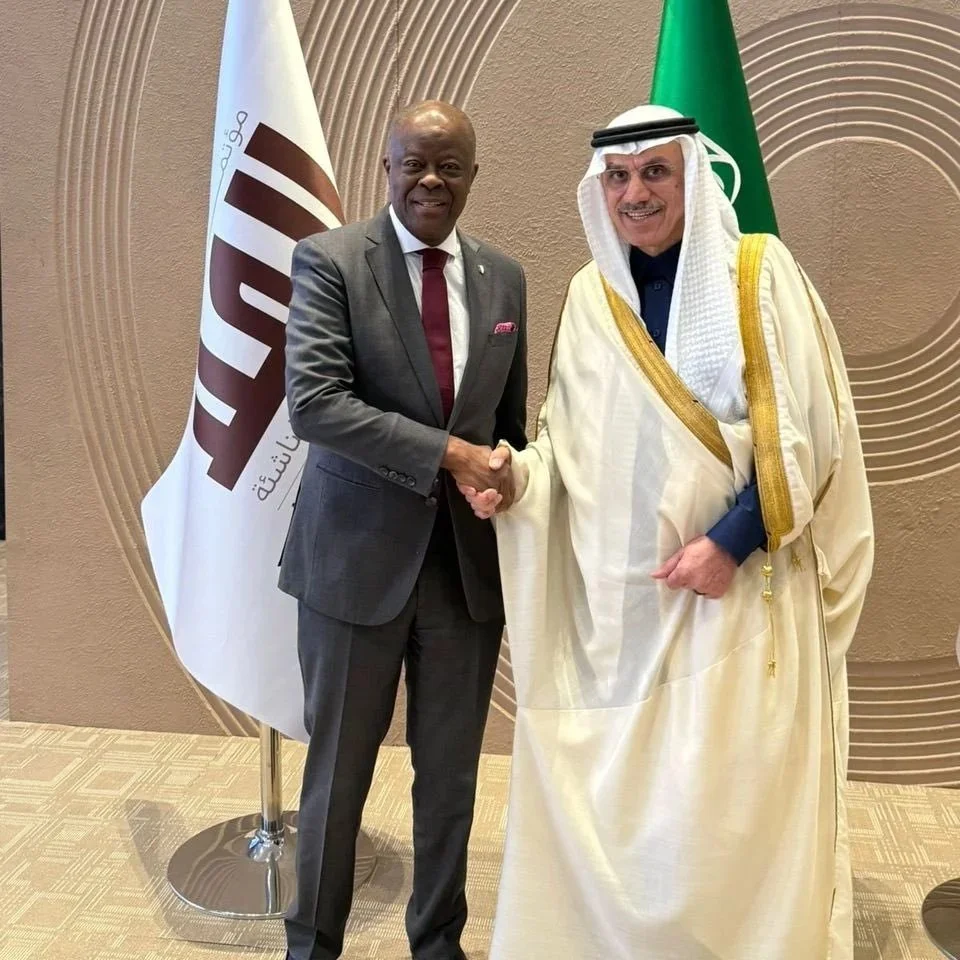
When Nigeria’s finance minister addressed global peers in Saudi Arabia this week, his message was framed around trade systems, monetary policy, and the need for emerging markets to gain a stronger voice in the global economy. For Nigeria’s real estate sector, the implications are far from abstract.
Calls for a more inclusive international financial architecture speak directly to the forces that determine how easily capital flows into housing projects, how affordable construction inputs remain, and how stable mortgage markets can become. These global conversations increasingly shape what happens on the ground in Lagos, Abuja, Port Harcourt, and the fast-growing secondary cities drawing developer interest.
At the center of the minister’s remarks was the argument that emerging economies contribute far more to global growth than their current influence over financial systems suggests. He also highlighted the growing strategic importance of Gulf economies in directing trade, investment, and capital allocation. For Nigeria, deeper engagement with these partners could translate into new sources of long-term funding and development finance, two areas where the housing sector has historically struggled.
Why Global Capital Matters for Nigerian Property
Nigeria’s housing shortage remains severe, with supply lagging urban population growth by millions of units. Bridging that gap requires patient capital capable of financing large residential schemes, mixed-use developments, logistics hubs, and urban infrastructure.
A shift in global financial governance that gives emerging markets better access to investment pools could help unlock:
• foreign participation in residential and commercial developments
• real estate focused private equity and sovereign backed funds
• housing finance partnerships tied to infrastructure delivery
Investor sentiment in property markets is shaped by perceptions of stability, regulatory clarity, and macroeconomic direction. When a country positions itself as an active participant in reshaping global economic rules rather than a passive recipient of them, confidence can improve. That confidence is often what precedes meaningful capital inflows into long dated assets like real estate.
Trade Systems and Construction Costs
Another element of the global reset conversation revolves around how international trade adapts to supply chain disruption and geopolitical shifts. For Nigeria’s property industry, this matters because imported materials still account for a significant share of building inputs.
Improved trade relationships with capital rich regions and industrial hubs could help stabilize access to cement components, steel, finishing materials, construction equipment, and energy solutions. Over time, that stability can narrow cost volatility, shorten development timelines, and make housing delivery more predictable.
Developers and lenders both price uncertainty into projects. Reduced friction in trade and logistics lowers risk premiums, which ultimately filters through to sales prices and rents.
Monetary Conditions and Housing Demand
Housing markets are highly sensitive to interest rates and inflation expectations. Mortgage affordability, developer financing, and institutional investment decisions all depend on macro stability.
A global environment that becomes more supportive of emerging market growth could ease some of the pressures facing domestic financial systems. While international reforms alone cannot solve Nigeria’s challenges, alignment between global capital markets and domestic policy reforms can improve funding conditions for housing finance institutions and infrastructure programs that underpin new developments.
When households feel more confident about employment prospects and borrowing conditions, housing demand becomes less fragile. That demand supports new supply, particularly in the mid-market segment where affordability remains strained.
Strategic Questions for Nigeria’s Property Sector
If Nigeria succeeds in strengthening its place within evolving global economic structures, several issues should move to the top of the real estate agenda:
• How can foreign direct investment be channeled toward large scale affordable housing rather than only luxury segments
• What policy tools can encourage Gulf and institutional capital to back mixed income residential schemes
• How can public private partnerships be redesigned to deliver infrastructure that unlocks land for development
• What reforms would make Nigeria’s mortgage market attractive to international long term investors
• How can trade integration reduce the cost base of building homes across major cities
These are not theoretical questions. They are the building blocks of whether Nigeria’s urban growth becomes orderly and inclusive or increasingly constrained by affordability gaps and informal expansion.
Looking Ahead
Nigeria’s intervention at a global forum like the Al Ula conference reflects a growing recognition that housing outcomes are inseparable from international financial architecture. Capital flows, trade routes, and monetary systems eventually show up in land prices, construction budgets, rental levels, and household access to mortgages.
For real estate professionals, investors, and policymakers, the message is clear. Global economic debates deserve close attention because they quietly set the conditions under which tomorrow’s housing stock will be financed and delivered.
As Nigeria positions itself within these shifting dynamics, the property sector will need to stay agile, policy aware, and ready to capture opportunities that emerge from a more connected and competitive global financial landscape.