Nigeria’s Real Estate Market Set for Uneven Growth Across Segments
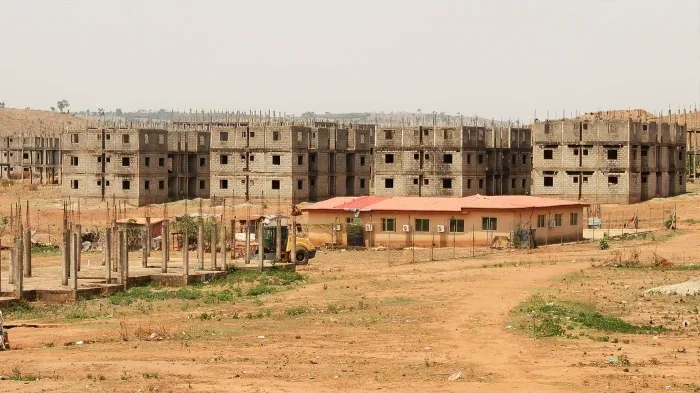
Property Market Growth to Differ by Location and Asset Class
Nigeria’s real estate market is projected to experience uneven growth as economic conditions, affordability constraints and infrastructure investments continue to shape performance across different regions and property segments. While demand for housing remains strong due to rapid urbanisation and a persistent housing deficit, industry experts say growth is unlikely to be uniform across the sector.
/ You Might Also Like /




Analysts expect infrastructure-linked locations, income-generating assets and affordable housing developments to outperform other segments, while high construction costs, financing challenges and affordability pressures could limit growth in parts of the market.
Demand Remains Strong, But Affordability Is a Key Challenge
Nigeria’s housing deficit continues to support long-term demand for residential property. However, industry observers note that demand alone is no longer enough to guarantee strong market performance.
Rising borrowing costs, inflationary pressures and weakened purchasing power are making affordability one of the most important factors influencing property transactions. Developers are increasingly being forced to align projects with actual household income levels rather than relying solely on projected demand.
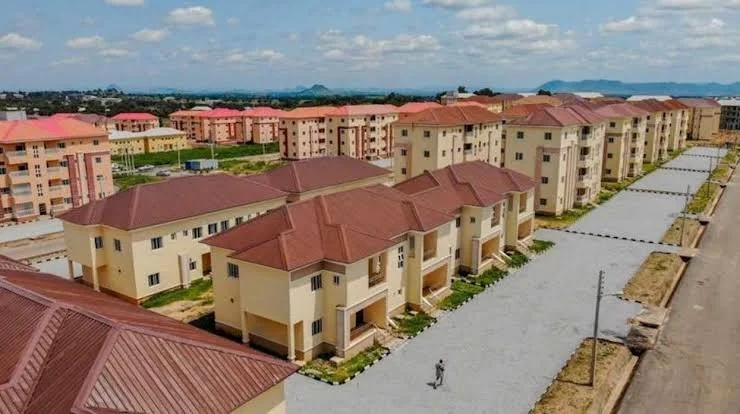
As a result, affordable and middle-income housing projects are expected to attract stronger demand than premium developments in several markets.
Infrastructure Corridors Continue to Attract Investment
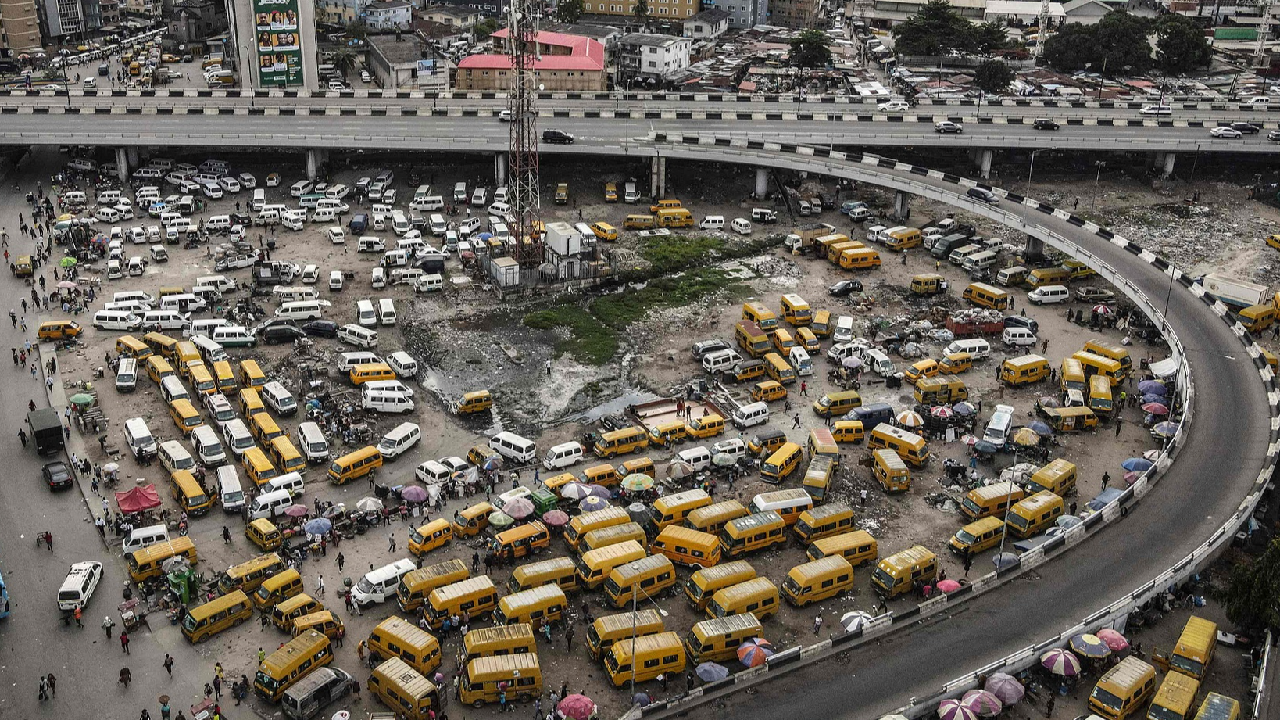
Infrastructure development remains one of the strongest drivers of property value growth in Nigeria. Areas benefiting from major road projects, transportation networks and industrial developments continue to attract investor interest.
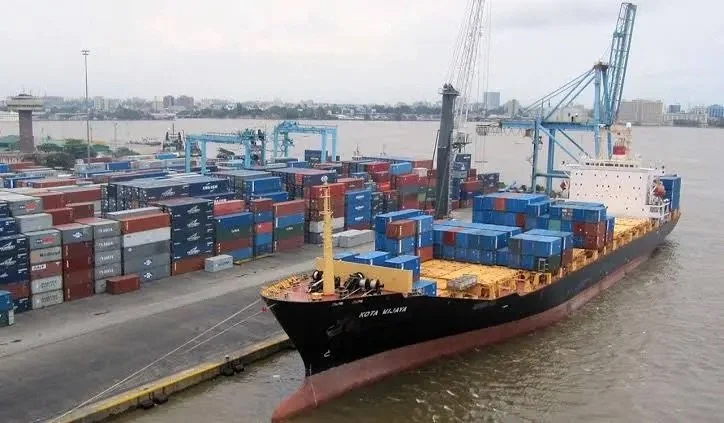
In Lagos, corridors linked to the Lekki Deep Sea Port, Dangote Refinery and the Lagos-Calabar Coastal Highway have recorded significant appreciation and are expected to remain attractive to investors. Similar opportunities are emerging in other cities where public infrastructure investments are improving accessibility and unlocking new development areas.
Industry experts note that infrastructure-led growth is likely to create clear winners and losers within the market, contributing to uneven performance across locations.
Construction Costs Continue to Pressure Developers
Developers remain challenged by the rising cost of construction materials, logistics and financing. Cement, steel, imported building components and energy costs continue to influence project budgets and housing prices.
These cost pressures have affected project timelines, pricing strategies and overall housing affordability. Some developers have slowed expansion plans, while others are exploring alternative construction methods and partnerships to manage costs more effectively.
The continued rise in development costs is expected to influence supply levels and contribute to varying growth rates across the market.
Investors Becoming More Selective
Real estate analysts say investors are increasingly focusing on assets with strong rental demand, reliable infrastructure and clear income-generating potential.
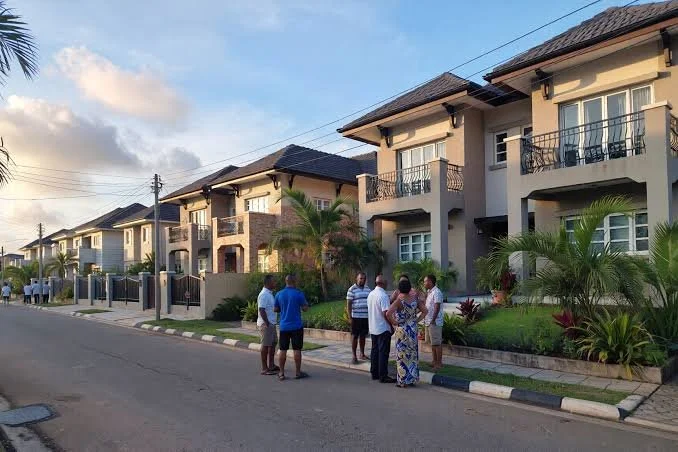
Rather than relying solely on capital appreciation, investors are paying closer attention to rental yields, occupancy rates, title security and long-term market fundamentals. Mixed-use developments, rental housing and strategically located residential projects are expected to attract greater interest than speculative investments.
This shift reflects a more mature investment approach as market participants adapt to changing economic realities.
Housing Sector Opportunities Remain Significant
Despite challenges, opportunities within Nigeria’s real estate sector remain substantial. Population growth, urban expansion and a large housing deficit continue to create long-term demand for residential, commercial and industrial property.
Industry projections suggest that the broader African real estate market will continue expanding over the coming years, with Nigeria expected to remain one of the continent’s most significant property markets due to its population size and economic importance.
Stakeholders argue that improving access to housing finance, reducing regulatory bottlenecks and investing in infrastructure will be critical to unlocking the sector’s full potential.
Outlook
The outlook for Nigeria’s real estate market remains positive but increasingly selective. While some locations and property categories are expected to experience robust growth, others may face slower activity due to affordability challenges and financing constraints.
Analysts believe developers and investors who focus on infrastructure-driven locations, affordable housing and income-producing assets will be best positioned to benefit from evolving market dynamics.
Conclusion
Nigeria’s real estate sector is expected to continue expanding, but growth will likely be uneven across regions and market segments. Strong housing demand, ongoing urbanisation and infrastructure investments will support opportunities in key areas, while affordability pressures and rising development costs may constrain performance elsewhere. For investors and developers, success will increasingly depend on identifying markets where demand, infrastructure and economic fundamentals align.
READ MORE