Housing Expert Advocates Greater Private Sector Role in Affordable Housing Delivery

Public-Private Partnerships Critical to Affordable Housing Delivery, Expert Says
A housing sector expert has called for stronger public-private partnerships (PPPs) as a critical strategy for addressing Nigeria’s growing housing deficit and accelerating the delivery of affordable homes. The appeal comes as the country continues to grapple with a housing shortfall estimated at more than 20 million units, amid rising construction costs, limited access to finance and rapid urbanisation.
/ You Might Also Like /


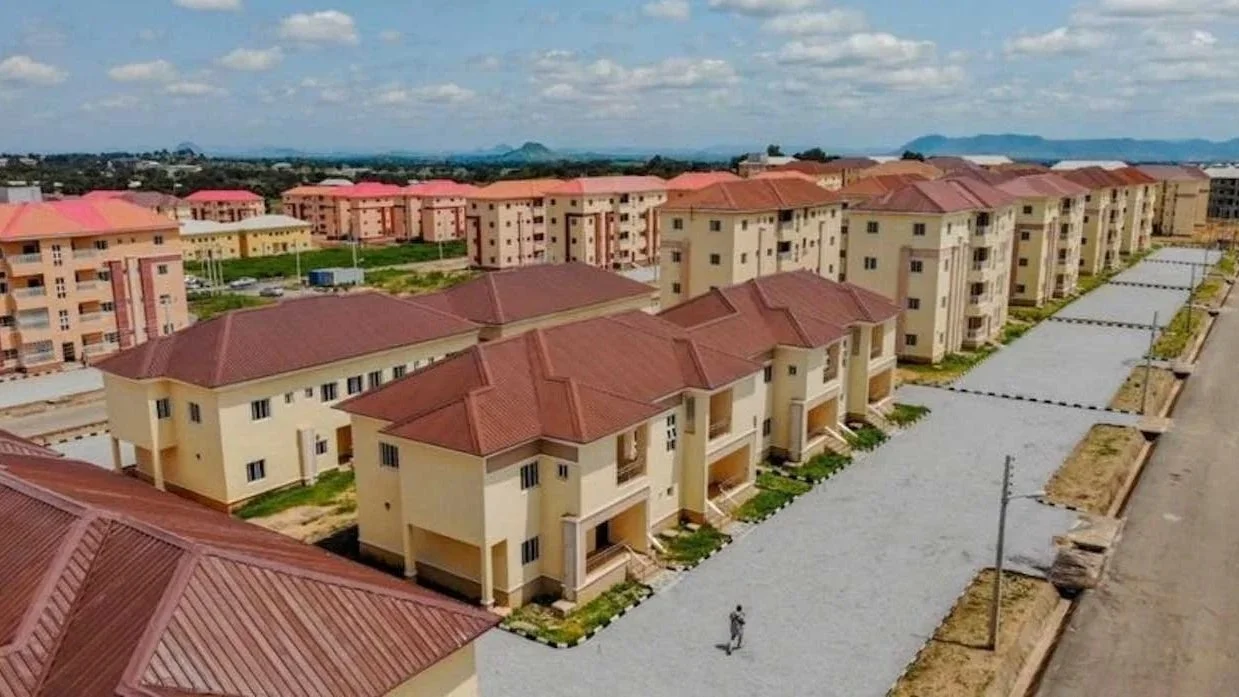

According to the expert, government resources alone are insufficient to meet the scale of housing demand, making collaboration with private developers, financial institutions and investors essential to expanding housing supply and improving affordability.
Housing Deficit Requires Collaborative Solutions
Nigeria's housing shortage remains one of the most significant challenges facing the real estate sector. Population growth, urban migration and inadequate investment in housing infrastructure have continued to widen the gap between demand and supply.
The expert noted that public-private partnerships can help mobilise capital, technical expertise and innovation needed to deliver housing projects at scale. By leveraging the strengths of both sectors, PPPs can support faster project execution and improve access to affordable housing across different income groups.
Industry stakeholders have repeatedly identified collaborative investment models as a practical approach to reducing the housing deficit while improving housing quality and accessibility.
Unlocking Private Sector Investment
The expert stressed that creating a more enabling environment for private investment remains crucial to attracting long-term capital into the housing sector.
Key areas highlighted include improving land administration systems, streamlining approval processes, strengthening housing finance mechanisms and providing infrastructure support for new developments. These measures, stakeholders argue, can reduce project costs and encourage greater participation from developers and institutional investors.
The availability of reliable infrastructure, including roads, water supply and electricity, was also identified as a major factor influencing the viability of housing projects.
Affordable Housing Remains a Priority
Affordable housing continues to be a major concern for millions of Nigerians, particularly low- and middle-income earners who face increasing difficulties accessing homeownership opportunities.
The expert noted that stronger partnerships between government and private developers could help reduce development costs and facilitate the delivery of housing units targeted at underserved segments of the population.
Innovative financing models, mortgage accessibility and targeted incentives were also highlighted as important components of a sustainable affordable housing strategy.
Policy and Regulatory Reforms Needed
Beyond financing, the expert emphasised the need for supportive policies and regulatory reforms that encourage investment and reduce barriers to housing development.
Lengthy approval timelines, multiple taxation and high borrowing costs have frequently been cited as obstacles affecting housing delivery. Addressing these challenges, stakeholders argue, would improve project economics and support greater housing production.
A predictable policy environment is also considered essential for attracting local and international investors to long-term housing projects.
Implications for the Housing Market
Stronger public-private partnerships could significantly influence the future of Nigeria’s housing sector by expanding housing supply, stimulating construction activity and creating employment opportunities across the real estate value chain.
Successful PPP models have been used in several countries to deliver large-scale housing projects and urban infrastructure. Industry experts believe similar approaches could help Nigeria make meaningful progress toward reducing its housing deficit while supporting broader economic development.
Outlook
As housing demand continues to rise, stakeholders are expected to intensify calls for greater collaboration between government and the private sector. With financing constraints and affordability challenges persisting, public-private partnerships are increasingly viewed as a practical pathway to scaling housing delivery and improving access to decent accommodation.
The effectiveness of these partnerships will depend on policy consistency, investment incentives and the ability of stakeholders to align long-term development objectives.
Conclusion
The call for stronger public-private partnerships underscores the growing recognition that collaboration will be essential to addressing Nigeria’s housing deficit. As demand for housing continues to outpace supply, deeper engagement between government, developers and financial institutions could play a critical role in accelerating affordable housing delivery and strengthening the country’s real estate sector.
READ MORE