Nigeria Needs More Taxpayers, Not Higher Taxes, Says Oyedele
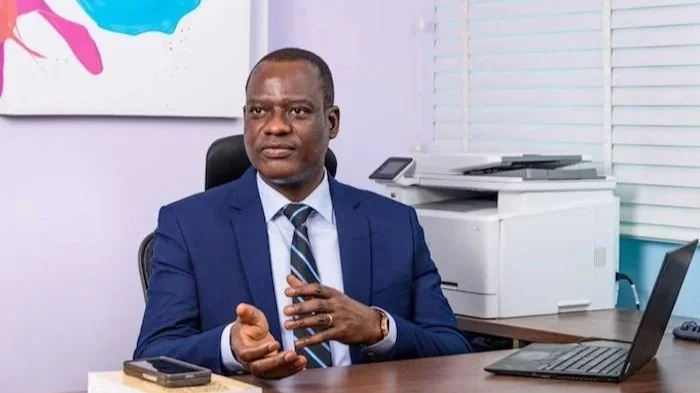
Oyedele Advocates Broader Tax Base Over Higher Tax Rates
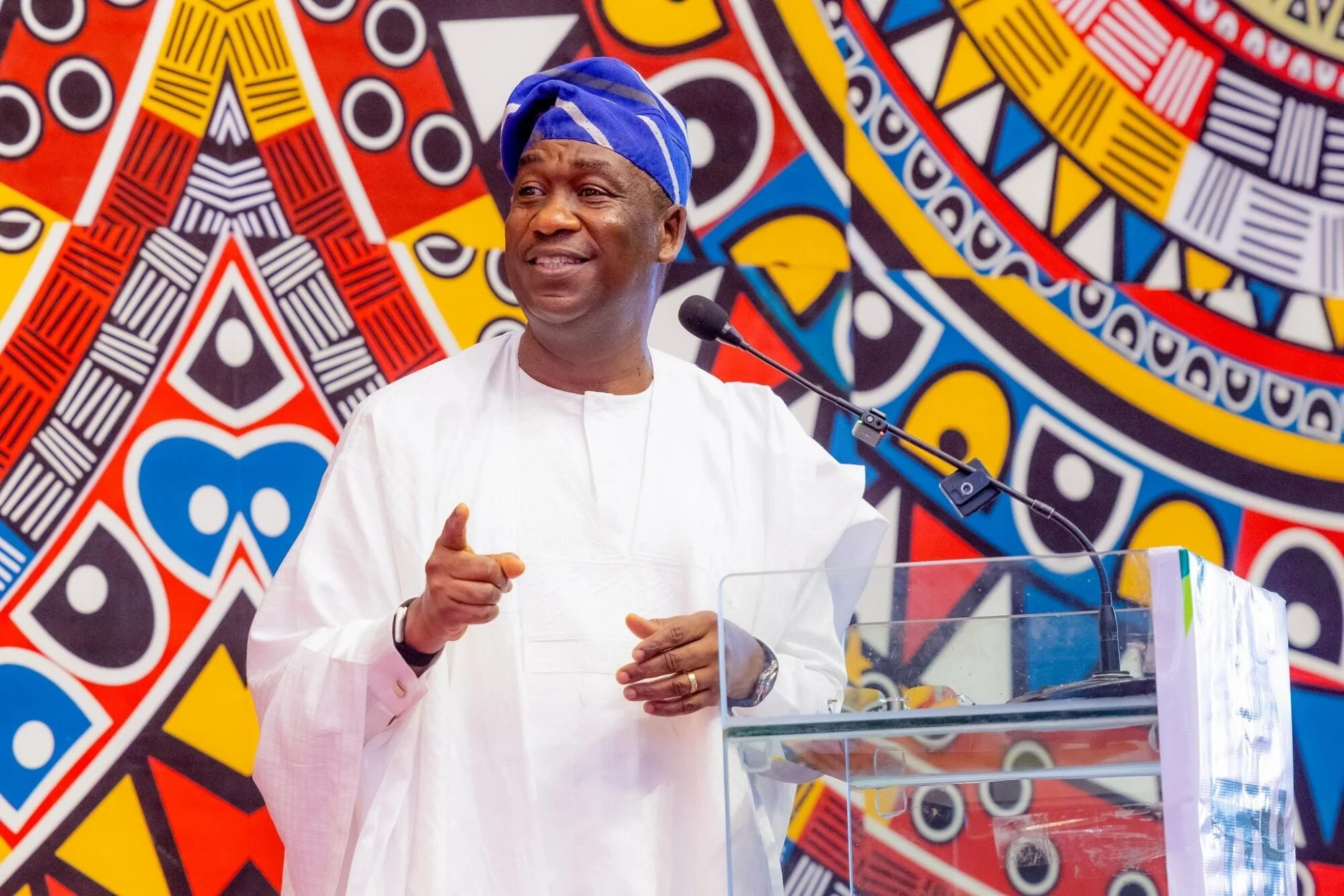
Minister of State for Finance, Taiwo Oyedele, has stated that Nigeria's revenue challenge cannot be solved by imposing higher taxes but by expanding the number of taxpayers and improving compliance within the tax system. He made the remarks during a meeting with a delegation from the Chartered Institute of Taxation of Nigeria (CITN) as part of activities marking the 2026 National Tax Awareness Day.
/ You Might Also Like /




According to Oyedele, Nigeria's tax system must focus on fairness, efficiency, and broader participation rather than increasing the burden on existing taxpayers. He noted that many individuals and businesses that should be paying taxes remain outside the tax net, limiting government revenue and increasing reliance on borrowing.
Expanding the Tax Base Remains a Priority
Oyedele stressed that the country's fiscal challenge is not necessarily the absence of tax policies but the need to improve tax compliance and bring more eligible taxpayers into the formal system. He argued that widening the tax base would generate sustainable revenue while ensuring a more equitable distribution of tax obligations.
He explained that strengthening compliance would allow the government to raise additional revenue without introducing higher tax rates that could place further pressure on businesses and households already facing economic challenges.
According to the minister, a well-functioning tax system has the potential to significantly accelerate national development by providing government with the resources needed to fund infrastructure, social services, and economic growth initiatives.
Tax Reforms Aim to Improve Fairness
The comments come as Nigeria continues implementing wide-ranging tax reforms designed to simplify the tax system, improve compliance, and support economic growth. The reforms seek to reduce inefficiencies, eliminate overlapping taxes, and create a more predictable business environment.
Oyedele has consistently argued that the reforms are intended to improve fairness in tax administration while protecting lower-income earners and small businesses. Previous explanations of the reforms indicated that many small businesses would continue to enjoy tax exemptions, while compliance measures would focus on broadening participation across the economy.
The government has also maintained that increasing tax efficiency is necessary to improve Nigeria's relatively low tax-to-GDP ratio and reduce dependence on debt financing for public expenditure.
Implications for Investment and Economic Growth
For investors and businesses, Oyedele's position signals the government's preference for expanding the tax net rather than introducing additional tax burdens. Many economists have argued that broadening the tax base can create a more stable revenue framework while supporting business competitiveness and investment growth.
A more efficient tax system could also enhance government capacity to finance infrastructure projects, housing programmes, transportation networks, and other development priorities critical to economic expansion. Improved revenue generation remains essential as Nigeria seeks to accelerate industrialisation, urban development, and job creation.
Relevance to Housing and Infrastructure Development
For the housing and infrastructure sectors, stronger revenue mobilisation could provide government with greater fiscal capacity to invest in roads, urban renewal projects, affordable housing initiatives, and public utilities. Infrastructure investment remains a key driver of property market growth and urban development across the country.
Industry stakeholders have consistently emphasised that sustainable public revenue is necessary to support long-term infrastructure planning and reduce funding constraints affecting major development projects.
Conclusion
Taiwo Oyedele's call for more taxpayers rather than higher taxes reflects the Federal Government's broader strategy of improving tax compliance and expanding participation within the formal economy. As Nigeria continues implementing tax reforms, policymakers will be seeking to strengthen revenue generation while maintaining a competitive environment for businesses and investors. The success of these efforts could play an important role in supporting infrastructure development, economic diversification, and long-term fiscal sustainability.
READ MORE