Nigeria and Liberia Strengthen Maritime Partnership, Focus on Capacity Building
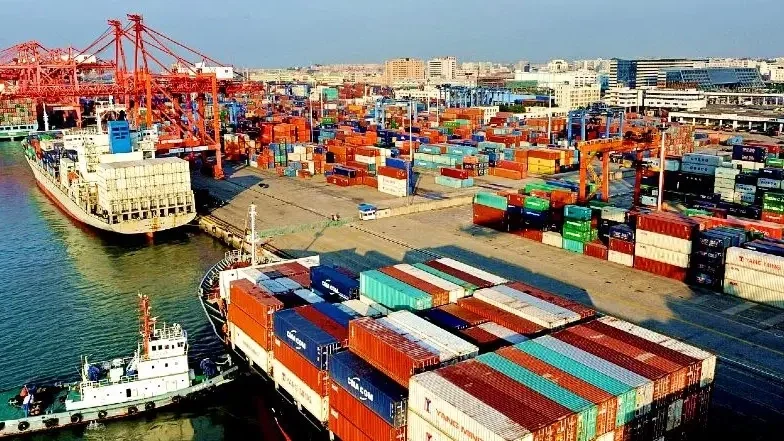
Maritime Capacity Development Takes Centre Stage in Nigeria-Liberia Partnership
Nigeria and Liberia have reaffirmed their commitment to strengthening maritime cooperation as both countries seek to expand regional integration, enhance capacity development and unlock opportunities within Africa’s growing blue economy. The renewed partnership was highlighted during a meeting between the Director-General of the Nigerian Maritime Administration and Safety Agency (NIMASA), Dr Dayo Mobereola, and Liberia’s Honorary Consul in Lagos, Dapo Akinosun. The discussions focused on maritime administration, safety, training, trade promotion and workforce development as key pillars of future collaboration
/ You Might Also Like /




The engagement reflects increasing efforts by African nations to strengthen cooperation in maritime affairs and maximise the economic potential of the continent’s coastal and marine resources.
Nigeria and Liberia Strengthen Maritime Partnership
Speaking during the meeting at NIMASA headquarters in Lagos, Mobereola described the engagement as evidence of the longstanding relationship between Nigeria and Liberia, particularly within the maritime sector. He emphasised that stronger cooperation among African countries remains essential for unlocking maritime opportunities, improving regional integration and supporting sustainable economic growth.
According to NIMASA, enhanced collaboration between both countries will focus on building technical capacity, improving maritime governance and creating new opportunities for professionals within the global shipping industry.
The agency noted that maritime cooperation is becoming increasingly important as African countries seek to strengthen trade connectivity and improve competitiveness in global shipping markets.
Capacity Building Takes Centre Stage
A major focus of the partnership is maritime capacity development, particularly for young professionals entering the industry.
Mobereola stressed the importance of sea-time training and practical exposure programmes that can equip Nigerian and African maritime professionals with internationally recognised skills. He stated that stronger training opportunities would help prepare the next generation of seafarers and maritime specialists to compete effectively in the global maritime sector.
Industry experts frequently identify workforce development as one of the most critical requirements for strengthening Africa’s maritime competitiveness and reducing skills shortages across the sector.
The collaboration is expected to support knowledge sharing and professional development initiatives between both countries.
Blue Economy Opportunities Drive Collaboration
The renewed partnership aligns with broader efforts to expand Africa’s blue economy, which encompasses economic activities linked to oceans, seas, ports, shipping, fisheries and coastal resources.
According to NIMASA, stronger maritime cooperation can help African countries maximise opportunities within these sectors while supporting economic diversification and sustainable development.
The blue economy is increasingly viewed as a strategic growth area capable of generating employment, attracting investment and expanding regional trade. Maritime stakeholders have consistently advocated for deeper collaboration among African nations to unlock these opportunities more effectively.
Officials from both countries indicated that maritime development will remain a key component of broader regional economic integration efforts.
Trade and Regional Integration Remain Priorities
Maritime transport continues to play a critical role in facilitating international trade and supporting economic activity across Africa.
Both Nigeria and Liberia emphasised the importance of stronger maritime partnerships in promoting trade, improving connectivity and supporting regional development objectives. Enhanced cooperation in shipping administration, maritime safety and trade facilitation could contribute to more efficient movement of goods across West Africa and beyond.
Analysts note that stronger maritime links can help reduce trade barriers while improving access to regional and international markets.
The discussions also highlighted the role of maritime infrastructure and regulatory cooperation in strengthening economic competitiveness.
Recognition of Existing Bilateral Relations
Mobereola expressed appreciation to the Liberian government for supporting Nigeria’s successful bid for a Category C seat on the International Maritime Organization (IMO) Council. He noted that both countries have maintained productive maritime relations over the years and continue to share common interests within international maritime affairs.
The acknowledgment underscores the importance of diplomatic and institutional partnerships in advancing maritime policy objectives and promoting cooperation at the international level.
Observers note that collaboration within global maritime institutions can help African countries strengthen their influence on industry standards and policy development.
Liberia Seeks Expanded Maritime Engagement
Speaking during the visit, Akinosun stated that Liberia is interested in strengthening cooperation with Nigeria across several maritime areas, including administration, safety, trade promotion and capacity development. He described the maritime sector as a key driver of economic growth and regional integration while expressing support for deeper engagement with NIMASA.
The Liberian envoy also commended Nigeria’s efforts to strengthen its maritime industry and improve competitiveness within the sector.
Both parties agreed that continued collaboration could generate long-term benefits for businesses, maritime professionals and regional economies.
Implications for Africa’s Maritime Sector
The partnership reflects a broader trend toward increased maritime cooperation among African nations seeking to strengthen economic resilience and trade competitiveness.
As shipping, logistics and marine industries continue to evolve, regional partnerships are becoming increasingly important for addressing common challenges related to workforce development, safety standards and infrastructure capacity.
Experts argue that stronger collaboration between maritime administrations can improve knowledge sharing, regulatory alignment and operational efficiency across the continent.
The Nigeria-Liberia initiative may also contribute to wider efforts aimed at supporting the implementation of the African Continental Free Trade Area (AfCFTA).
Conclusion
Nigeria and Liberia’s renewed commitment to maritime cooperation highlights the growing importance of regional partnerships in advancing Africa’s blue economy and maritime development agenda. By focusing on capacity building, workforce development, maritime safety and trade promotion, both countries aim to strengthen their maritime sectors while supporting broader economic growth objectives.
As African nations continue to pursue greater economic integration and maritime competitiveness, partnerships such as this are expected to play an increasingly important role in unlocking investment opportunities, creating jobs and enhancing the continent’s position within the global maritime industry.
READ MORE