Nigeria Customs to Deploy Cargo Scanners at Abuja Airport to Speed Up Cargo Clearance
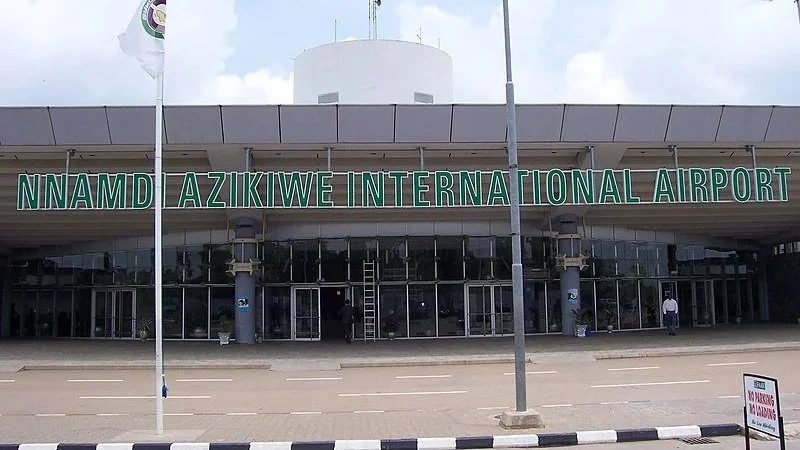
Customs Awaits Final Approval to Launch Cargo Scanners at Abuja Airport
The Nigeria Customs Service (NCS) is preparing to deploy non-intrusive cargo scanners at the Nnamdi Azikiwe International Airport, Abuja, in a move aimed at reducing cargo inspection times, improving trade facilitation and strengthening border security. The scanners have been installed and are awaiting final regulatory approval before becoming operational.
/ You Might Also Like /




The initiative forms part of the Customs Service's broader modernisation programme, which seeks to replace manual cargo examinations with technology-driven inspection systems capable of accelerating cargo clearance while improving the detection of prohibited and undeclared goods.
Customs completes readiness assessment
The development was disclosed by the Acting Comptroller of Non-Intrusive Inspection, Deputy Comptroller of Customs Umar Madugu, following a comprehensive readiness assessment of the newly installed cargo scanning facilities at the airport.
During the inspection, Madugu assessed the CX180 180DH pallet cargo scanners installed at the warehouses of the Skyway Aviation Handling Company (SAHCO) and the Nigerian Aviation Handling Company (NAHCO) within the airport cargo terminal. The assessment was conducted alongside representatives of the Trade Modernisation Project Limited and the Customs Quality Assurance Unit to evaluate the facilities' operational readiness.
According to the Customs Service, the scanners will become operational once all regulatory requirements have been satisfied.
Shift to non-intrusive cargo inspection
The deployment will introduce non-intrusive inspection technology that enables Customs officers to examine cargo shipments using advanced X-ray scanners rather than relying primarily on physical examinations.
According to the Service, Customs officers recently completed specialised image analysis training to prepare for the transition. The training equips officers with the skills required to interpret scanner images accurately, allowing legitimate cargo to be cleared more quickly while identifying high-risk consignments for further examination.
The technology is expected to:
Reduce cargo inspection and clearance times.
Improve operational efficiency.
Strengthen border security.
Enhance the detection of prohibited and undeclared goods.
Support faster movement of legitimate imports and exports.
Supporting infrastructure planned
To ensure smooth operations once the scanners become operational, the Customs Service has recommended additional infrastructure improvements around the scanning facilities.
These include deploying traffic assessment officers to coordinate cargo movement and installing CCTV cameras to monitor inbound and outbound cargo flows within the scanning zones. According to Customs, the measures are intended to minimise congestion and improve operational efficiency throughout the inspection process.
Part of Customs' broader modernisation strategy
The Abuja airport scanner project aligns with the Nigeria Customs Service's wider digital transformation agenda, which focuses on improving trade facilitation, strengthening border management and increasing revenue collection through technology.
According to the Service, Customs generated a record ₦7.281 trillion in revenue during 2025. Between January and May 2026, it collected ₦3.35 trillion, processed nearly 700,000 import declarations, issued more than 112,000 Pre-Arrival Assessment Reports (PAARs) and facilitated exports valued at approximately $1.218 billion through over 21,000 export containers.
The scanner deployment complements other ongoing Customs reforms, including paperless clearance initiatives and the implementation of technology-based border management systems.
Implications for logistics and infrastructure
Nigeria's air freight market is estimated to be worth more than $8 billion, with Abuja serving as one of the country's major cargo gateways alongside Lagos, Port Harcourt and Kano. Industry stakeholders have consistently identified manual cargo inspection, multiple clearance procedures and overlapping regulatory processes as major contributors to delays and higher logistics costs.
For the infrastructure and logistics sector, faster cargo processing can improve supply chain efficiency, reduce demurrage costs and enhance the movement of construction materials, industrial equipment and other high-value imports that support housing and infrastructure development.
Although the initiative is not directly related to housing, improved logistics infrastructure plays an important enabling role in delivering construction inputs and supporting broader economic activity.
Outlook
The planned deployment of cargo scanners at Nnamdi Azikiwe International Airport marks another step in Nigeria's efforts to modernise customs operations through technology. Once regulatory approval is secured, the non-intrusive inspection system is expected to improve cargo clearance efficiency, strengthen border security and support more efficient air freight operations, contributing to the country's broader trade and infrastructure development objectives.
READ MORE