Nigeria Tightens Engineering Oversight to Improve Infrastructure Quality

Government Moves to Strengthen Engineering Standards and Public Safety
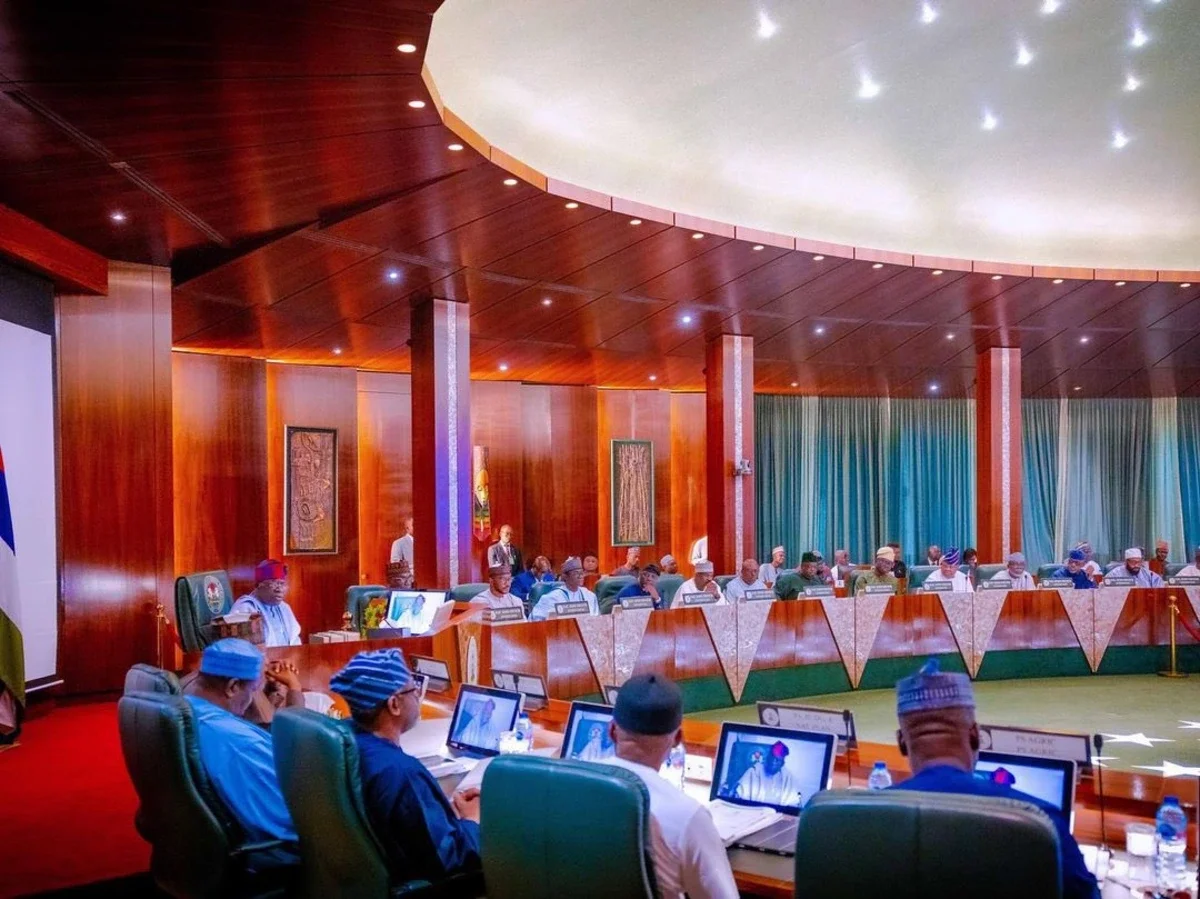
The Federal Government has announced plans to strengthen engineering regulation and impose stricter sanctions on unqualified practitioners as part of broader efforts to reduce infrastructure failures and improve public safety. President Bola Tinubu, represented by the Minister of Works, David Umahi, said stronger oversight and enforcement are essential to protecting lives, safeguarding public investment and restoring confidence in Nigeria's infrastructure delivery. The directive was delivered at the 34th Engineering Assembly of the Council for the Regulation of Engineering in Nigeria (COREN) in Abuja.
/ You Might Also Like /




The move comes amid growing concerns over recurring cases of failed infrastructure, building collapses and poor construction practices. Government officials said the focus will shift from reacting to engineering failures after they occur to preventing them through stronger regulation, compliance monitoring and accountability.
Government Calls for Stronger Engineering Enforcement
Addressing participants at the COREN Engineering Assembly, President Tinubu said Nigeria could no longer tolerate avoidable engineering failures that result in loss of lives, destruction of property and waste of public resources.
He urged COREN to strengthen regulatory oversight, improve compliance monitoring and implement a tiered sanction regime that holds erring practitioners accountable while promoting professionalism across the engineering sector.
According to the President, engineering regulation must become proactive, ensuring that quality assurance is embedded throughout the planning, design and construction phases of infrastructure projects rather than relying solely on post-incident investigations.
Focus on Public Safety and Infrastructure Quality
The 34th Engineering Assembly was held under the theme "Advancing Public Safety in Nigeria through Strategic Engineering Regulation, Enforcement and a Tiered Sanction Regime." Participants examined measures to improve engineering governance, strengthen professional standards and enhance the quality of infrastructure delivered across the country.
Government officials emphasised that stronger engineering regulation is essential to ensuring that roads, bridges, public buildings, housing developments and other critical infrastructure meet established safety and quality standards.
Implications for the Housing and Construction Sector
The proposed reforms carry significant implications for Nigeria's housing and construction industry. Developers, contractors and consulting engineers may face increased regulatory scrutiny to ensure projects comply with approved engineering standards and building codes.
Stronger enforcement could help reduce structural defects, improve construction quality and enhance confidence in residential and commercial developments. It may also encourage greater professionalism within the construction industry by discouraging the use of unqualified practitioners.
For investors and homebuyers, improved engineering oversight can contribute to safer buildings, lower maintenance risks and greater confidence in property investments.
Industry Expected to Strengthen Compliance
Industry stakeholders are expected to review their internal quality assurance systems in response to the government's renewed focus on engineering accountability.
Engineering firms, developers and construction companies may also increase investment in professional training, project supervision and regulatory compliance to meet evolving standards and minimise the risk of sanctions.
The initiative aligns with broader efforts to improve infrastructure governance and ensure that public and private construction projects deliver long-term value.
Outlook
The Federal Government's decision to strengthen engineering regulation signals a renewed emphasis on quality, accountability and public safety within Nigeria's infrastructure sector. If effectively implemented, the proposed reforms could improve project delivery standards, reduce infrastructure failures and strengthen confidence in the country's construction industry.
For the housing sector, stronger engineering oversight has the potential to improve building quality, protect property investments and support more sustainable urban development through higher construction standards and more effective regulatory enforcement.
READ MORE