Lagos Blue Line Hits 8 Million Passenger Milestone, Phase II Records First T-Beam Installation
Lagos Blue Line
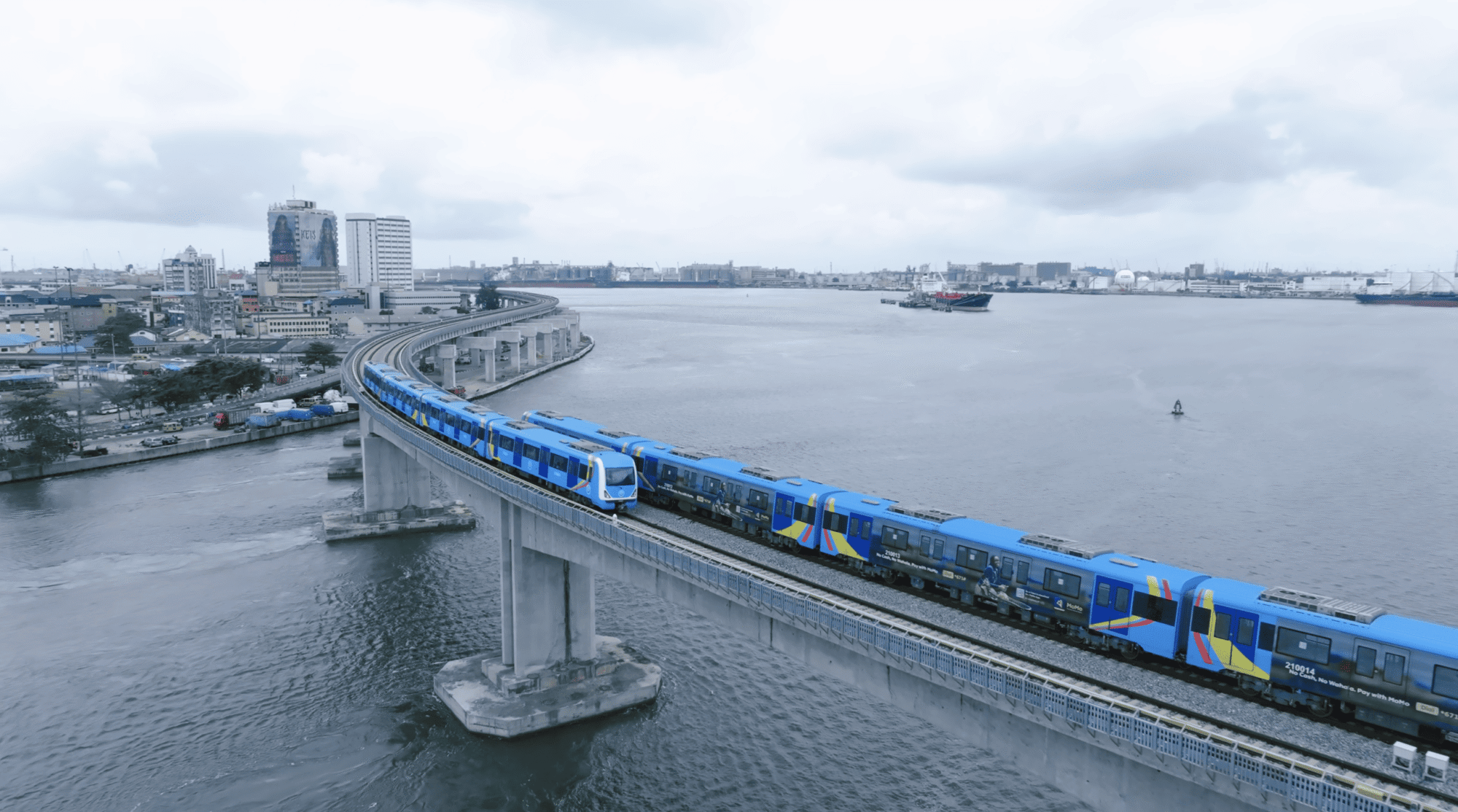
The Lagos Rail Mass Transit (LRMT) Blue Line has transported more than eight million passengers since commercial operations began in September 2023, marking a significant milestone for one of Nigeria's largest urban transport investments. At the same time, construction on Phase II of the project has reached another important stage with the successful installation of the first T-beam, signalling continued progress towards extending rail services from Mile 2 to Okokomaiko.
/ You Might Also Like /




The twin milestones underscore Lagos State's strategy of expanding rail infrastructure to improve urban mobility, reduce dependence on road transport, and support the city's long-term economic growth.
Ridership continues to rise
According to the China Civil Engineering Construction Corporation (CCECC), which built and operates the Blue Line, the rail system has safely served more than eight million commuters in just over 1,000 days of commercial operations.
The achievement reflects steadily increasing passenger demand since the electric rail line commenced operations on September 4, 2023. The Blue Line currently operates between Marina and Mile 2, serving thousands of commuters daily along one of Lagos' busiest transport corridors.
The latest passenger figures represent significant growth from earlier milestones. By December 2024, the line had transported approximately 2.37 million passengers, while Lagos authorities announced in June 2026 that ridership had already exceeded six million, demonstrating rapid growth in rail patronage over the past year.
Phase II reaches engineering milestone
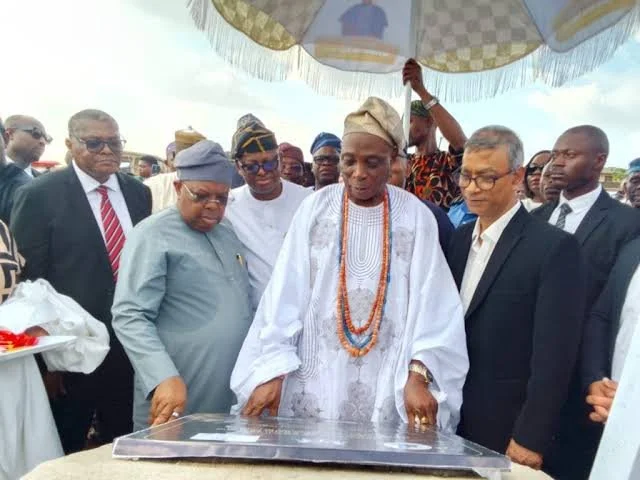
Beyond ridership growth, construction of the Blue Line's second phase has recorded a major engineering breakthrough with the installation of its first T-beam.
T-beams are reinforced concrete bridge components used to support elevated rail tracks. Their installation marks a critical stage in rail infrastructure development, indicating that work is progressing beyond foundational construction towards the assembly of the elevated rail structure.
Phase II will extend the existing rail line by approximately 14 kilometres, connecting Mile 2 to Okokomaiko. The extension will introduce six additional stations located at Festac, Alakija, Trade Fair, Volkswagen, LASU and Okokomaiko, significantly expanding rail coverage across western Lagos.
Expanding Lagos' multimodal transport network
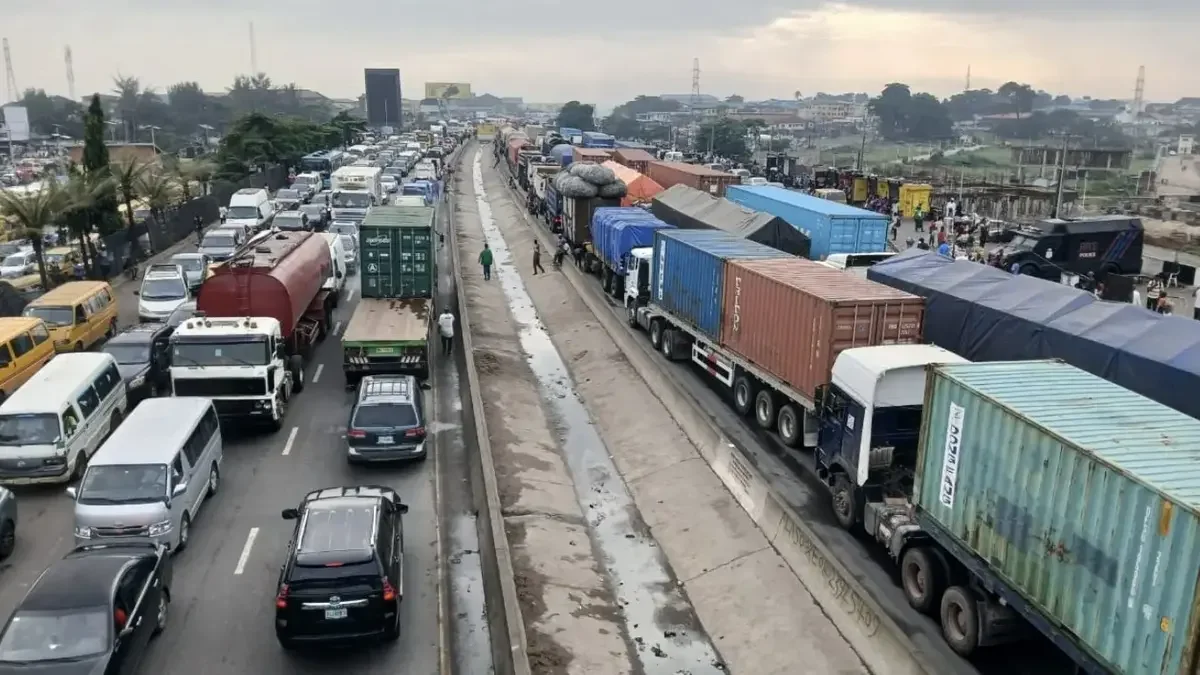
The Blue Line forms part of the Lagos Rail Mass Transit (LRMT) programme, a long-term transport strategy designed to reduce congestion through an integrated network of rail, Bus Rapid Transit (BRT), and ferry services.
The complete Blue Line will span 27 kilometres, making it one of the state's flagship investments in public transportation. Once Phase II becomes operational, the rail corridor is expected to improve connectivity for densely populated communities while reducing travel times and pressure on major highways.
The expansion also aligns with Lagos State's broader objective of creating a multimodal transport system capable of supporting one of Africa's fastest-growing urban populations.
Operational improvements support growing demand
Passenger growth has coincided with service improvements introduced by the Lagos Metropolitan Area Transport Authority (LAMATA).
In June 2026, LAMATA extended operating hours by moving the first weekday and Saturday departures to 6:00 a.m., while increasing daily services from 90 to 94 train trips. Sunday services were also expanded, allowing the operator to accommodate rising commuter demand across the Marina–Mile 2 corridor.
The state has also continued investing in additional rolling stock and operational capacity to improve service reliability and reduce waiting times as ridership increases.
Why the Blue Line matters for housing and urban development
For Nigeria's housing and urban development sector, the Blue Line represents more than a transport project.
Efficient rail infrastructure influences property development patterns by improving accessibility, encouraging higher-density development around transit corridors, and reducing commuting costs for residents. Improved public transport also supports mixed-use developments and can stimulate investment in previously underserved districts.
The planned extension to Okokomaiko is expected to improve access to growing residential communities along the western corridor of Lagos, complementing broader efforts to strengthen urban infrastructure and accommodate population growth.
As Lagos continues expanding its rail network, transport investments are likely to play an increasingly important role in shaping housing demand, land values and sustainable urban planning across the state.
Outlook
The Blue Line's eight million passenger milestone demonstrates growing public acceptance of rail transport as an alternative to road travel in Lagos. Combined with steady progress on Phase II construction, the project continues to advance the state's long-term vision of developing an integrated, efficient and sustainable urban transport network.
Completion of the Mile 2–Okokomaiko extension will significantly expand the system's reach, improve connectivity for western Lagos communities and reinforce the role of mass transit in supporting economic activity, urban development and housing accessibility across Nigeria's commercial capital.
READ MORE