Bus Fares Rise 21.6% Year-on-Year to ₦9,607 in April, NBS Reports
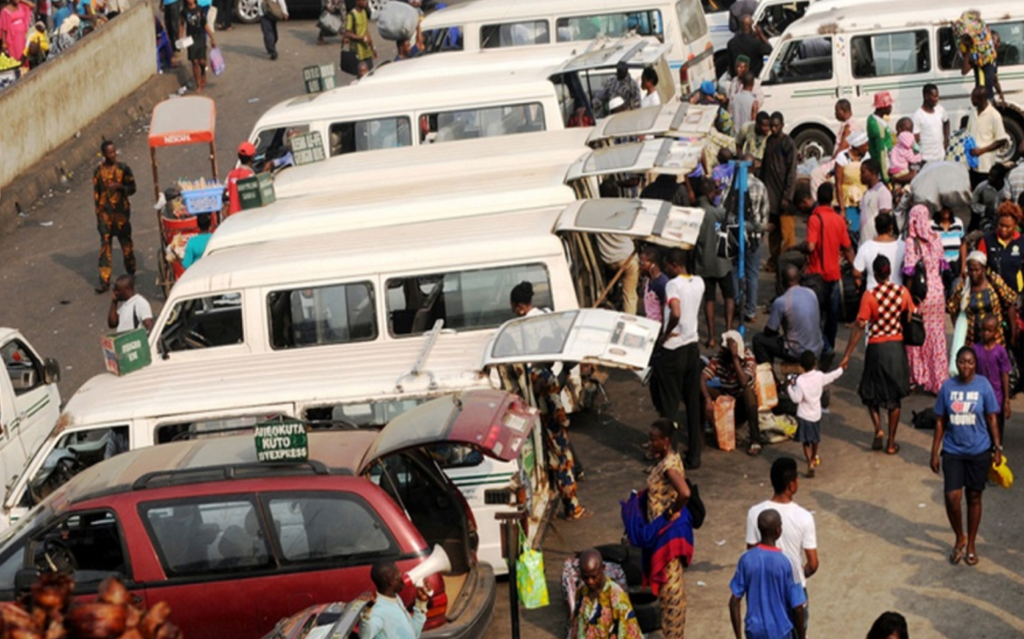
Average Bus Fare Climbs Above ₦9,600 Amid Persistent Cost Pressures
The average fare paid by passengers for intercity bus travel in Nigeria increased by 21.6% year-on-year to ₦9,607 in April 2026, according to the latest Transport Fare Watch report released by the National Bureau of Statistics (NBS). The increase highlights the continued pressure on transportation costs across the country, reflecting broader inflationary trends and rising operational expenses within the transport sector. The report indicates that households and businesses continue to face higher mobility costs despite recent efforts to stabilise economic conditions. According to the NBS, transport fares remain significantly above levels recorded a year earlier, underscoring the impact of persistent cost pressures on commuters nationwide.
/ You Might Also Like /



Intercity Bus Fares Record Double-Digit Annual Growth
Data released by the National Bureau of Statistics shows that the average fare for bus journeys within and between cities reached ₦9,607.24 in April 2026, representing a 21.6% increase compared with the corresponding period in 2025. On a month-on-month basis, fares also recorded an increase, reflecting continued upward pressure on transport expenses. According to the NBS, rising operational costs remain a key factor influencing fare adjustments across transport operators.
The increase demonstrates the extent to which transportation costs have become a significant component of household expenditure, particularly for workers, traders and businesses that rely heavily on road transport.
Rising Operating Costs Drive Fare Increases
Industry analysts attribute the sustained increase in bus fares to a combination of higher fuel costs, vehicle maintenance expenses, spare parts prices and broader inflationary pressures.
Transportation operators across Nigeria have faced rising costs associated with vehicle servicing, tyre replacement, insurance, licensing and logistics operations. These expenses have contributed to fare adjustments as operators seek to maintain profitability while managing increasing overheads.
The transport sector remains particularly sensitive to fluctuations in energy costs because fuel accounts for a substantial share of operating expenditure for commercial transport providers.
Impact on Households and Consumer Spending
The increase in transport fares has significant implications for household budgets and consumer spending patterns.
For many Nigerians, transportation represents an essential daily expense linked to employment, education, healthcare and commercial activities. Rising transport costs can reduce disposable income and increase the overall cost of living, particularly for low- and middle-income households.
Economic analysts note that higher mobility expenses often affect purchasing power by increasing the proportion of household income allocated to transportation needs.
As transport costs rise, consumers may adjust spending behaviour or seek alternative travel options to manage expenses.
Transport Costs and Inflation Trends
Transportation remains one of the major contributors to inflationary pressures within the economy.
Changes in transport fares often influence the cost of moving goods and services across supply chains, with potential effects on food prices, retail costs and broader economic activity. Higher transportation expenses can therefore contribute to inflation beyond the transport sector itself.
According to economic experts, efficient and affordable transportation systems play a critical role in supporting productivity, trade and economic growth.
The continued rise in transport fares highlights the interconnected relationship between mobility costs and overall inflation trends.
Regional Variations in Transport Costs
The NBS report also indicated that transport fare levels vary across states and regions due to differences in distance, operating conditions, fuel availability and local market dynamics.
Factors such as road infrastructure quality, traffic congestion and security conditions can influence operating costs and fare structures in different parts of the country.
Transport operators in areas with longer travel distances or more challenging operating environments often face higher costs, which may be reflected in passenger fares.
These regional variations contribute to differing transportation experiences and affordability levels across Nigeria.
Implications for Businesses and Economic Activity
Businesses that depend on road transport for logistics and workforce mobility may also feel the impact of rising transportation costs.
Higher transport expenses can increase operational costs for companies, affect supply chain efficiency and influence pricing decisions. Small businesses, traders and informal sector operators are particularly vulnerable to transport-related cost increases because of their reliance on affordable mobility.
Analysts note that transportation remains a critical enabler of economic activity, making fare stability an important consideration for broader economic performance.
Sustained increases in transport costs may affect business competitiveness and consumer demand over time.
Policy Considerations and Infrastructure Development
The continued rise in transport fares has renewed discussions around transportation infrastructure, fuel supply stability and mass transit investments.
Experts argue that improving road networks, expanding public transportation systems and enhancing logistics efficiency could help reduce operating costs and improve affordability for commuters. Investments in rail transportation and urban transit systems are also viewed as potential long-term solutions for reducing pressure on road-based transport services.
Policymakers continue to explore measures aimed at improving transport accessibility while supporting economic productivity and mobility.
Conclusion
The National Bureau of Statistics report showing a 21.6% year-on-year increase in average bus fares to ₦9,607 in April 2026 highlights the ongoing cost pressures facing Nigeria’s transportation sector. Rising fuel prices, maintenance expenses and broader inflationary trends continue to influence passenger transport costs, affecting households, businesses and economic activity nationwide.
As transportation remains a critical component of daily life and commercial operations, efforts to improve infrastructure, enhance efficiency and address cost drivers will be important for supporting affordability and sustainable economic growth in the years ahead.
READ MORE