Nigeria Launches Forensic Engineering Programme After 321 Deaths in Building Collapses
Forensic engineering targets building failures
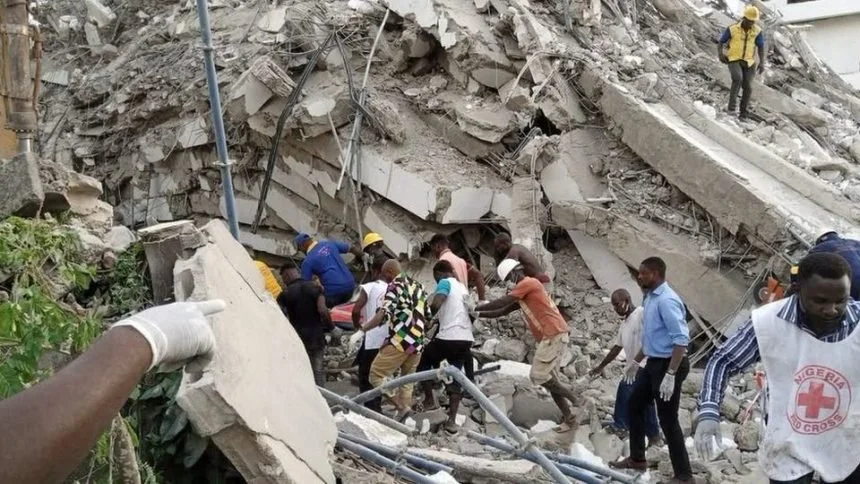
Nigeria has launched a new forensic engineering programme to strengthen the investigation of structural and engineering failures after 111 validated building collapses recorded between 2015 and 2025 resulted in 321 deaths and 344 injuries.
/ You Might Also Like /




The Certified Forensic Engineering Failure Investigator (CEFFI) programme is designed to develop specialists capable of determining the technical causes of engineering failures and preserving evidence that can support regulatory, professional and legal action.
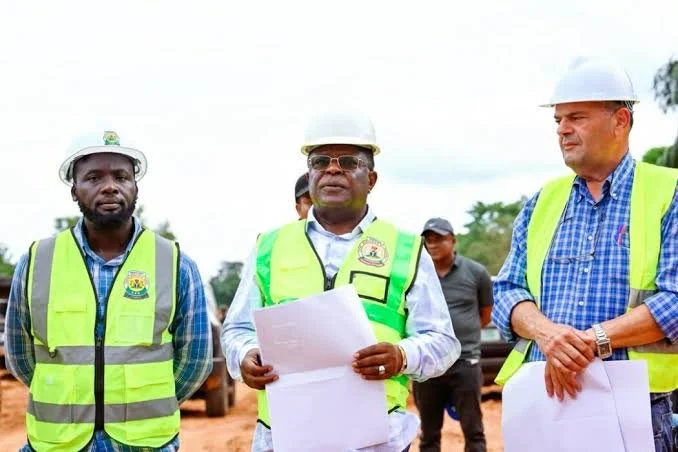
The initiative was inaugurated in Abuja through a partnership involving the Chartered Institute of Forensics and Certified Fraud Investigators of Nigeria (CIFCFIN), the Council for the Regulation of Engineering in Nigeria (COREN) and the Nigerian Building and Road Research Institute (NBRRI).
Building Collapses Highlight Construction Safety Gaps
The latest study provides a measure of the human cost of structural failures in Nigeria's built environment.
Researchers recorded 111 validated building-collapse incidents between 2015 and 2025, with 321 deaths and 344 injuries. Structural defects, poor construction practices and inferior materials were among the leading identifiable factors, while the causes of some incidents could not be conclusively established.
The findings highlight a persistent challenge for Nigeria's construction sector, where weaknesses in design, materials, workmanship, supervision and compliance can have serious consequences for occupants, developers and surrounding communities.
Forensic Engineering Targets the Cause of Failure
The new CEFFI programme seeks to strengthen the technical process that follows an engineering failure.
Rather than focusing only on the physical consequences of a collapse, forensic engineering examines the sequence of events and technical conditions that contributed to the failure.
Investigators can examine structural designs, construction records, materials, soil conditions, workmanship, loading conditions, alterations and other factors to establish how and why a structure failed.
The programme's proponents say this approach can help preserve technical evidence and provide findings that regulators, courts, professional bodies, project owners and other institutions can use when determining responsibility and preventing recurrence.
COREN Calls for Larger Pool of Investigators
COREN President Sadiq Abubakar said the programme would combine conventional engineering expertise with forensic investigation techniques.
He called for a larger pool of professionally trained investigators who could examine building collapses and other engineering failures.
The proposed application extends beyond buildings to other sectors, including mining, oil and gas, telecommunications, transportation, aviation and aerospace.
For the construction industry, the development is significant because a stronger pool of technical investigators could provide regulators with more specialised evidence when dealing with structural failures.
NBRRI Already Has Experience in Failure Investigation
The initiative builds on work that NBRRI has undertaken over several years.
The research institute's mandate covers building construction, engineering materials, foundations, earthworks and construction methods. Its technical work has included investigations into failed structures, with reports examining factors such as concrete quality, construction practices and technical supervision.
NBRRI has also identified issues including substandard materials, poor workmanship, inadequate designs, weak supervision, absence of qualified professionals and unsuitable site conditions as factors that can contribute to building failure.
The new programme could therefore provide a more formalised framework for deploying specialist investigators and translating technical findings into regulatory or enforcement actions.
Implications for Developers and Construction Professionals
For developers, contractors, engineers and other built-environment professionals, stronger forensic investigation could increase the importance of maintaining proper technical and construction records throughout a project's lifecycle.
A robust investigation system can also help distinguish between different causes of failure rather than treating every collapse as a single category of construction negligence.
That distinction matters because structural failure can result from multiple interacting factors, including design deficiencies, construction errors, poor materials, foundation conditions, unauthorised alterations, overloading or inadequate maintenance.
Establishing the actual cause is therefore important both for accountability and for improving future construction practice.
Building Safety Is Also a Property-Market Issue
Building safety extends beyond engineering regulation because it directly affects the quality and durability of Nigeria's housing and property stock.
For buyers, tenants, lenders and investors, confidence in the structural integrity of buildings is an important component of property-market stability.
A stronger system for investigating structural failures could also provide useful information for insurers, financial institutions and professional bodies when assessing construction risks.
For lenders financing large residential or commercial developments, stronger technical oversight and documentation could potentially improve risk assessment during project development.
From Collapse Response to Prevention
One of the central challenges in building-collapse cases is what happens after the emergency response.
Once a failed structure has been demolished, repaired or abandoned, important physical evidence can be lost. This can make it more difficult to reconstruct the sequence of events and determine the technical factors behind the failure.
Forensic investigation seeks to address this gap by establishing systematic procedures for examining failures and preserving relevant evidence.
The value of the new programme will therefore depend not simply on how many investigators are trained, but on whether their findings are incorporated into building regulation, professional discipline, project monitoring and construction practice.
Stronger Investigation Must Support Better Enforcement
Training forensic engineers alone will not eliminate building collapses.
The findings generated through investigations need to feed into the wider regulatory system, including building approval, professional oversight, materials standards, construction inspection and enforcement.
Where investigations identify recurring failures, regulators and industry bodies can use the evidence to strengthen standards and target specific weaknesses in the construction process.
This could make forensic engineering more than a post-collapse activity by turning evidence from failed structures into information for preventing future failures.
Outlook
Nigeria's decision to expand forensic engineering capacity comes against a documented record of 111 building collapses, 321 deaths and 344 injuries between 2015 and 2025.
For the built environment, the significance of the CEFFI programme will ultimately depend on whether it strengthens the link between failure investigation, regulation and prevention.
If technical findings are consistently used to improve construction standards and enforcement, forensic engineering could become an important component of Nigeria's broader effort to improve structural safety and confidence in its property market.
READ MORE