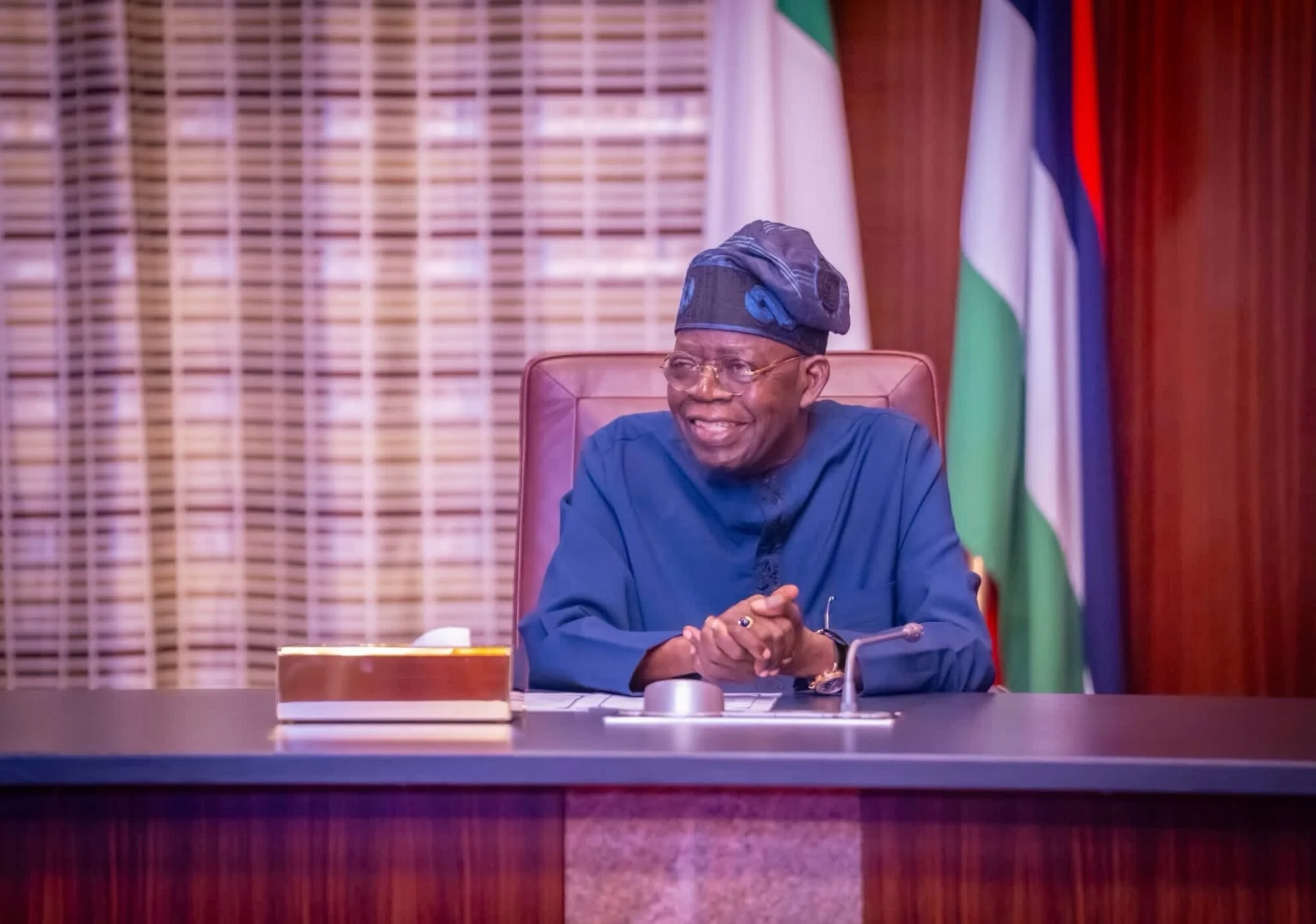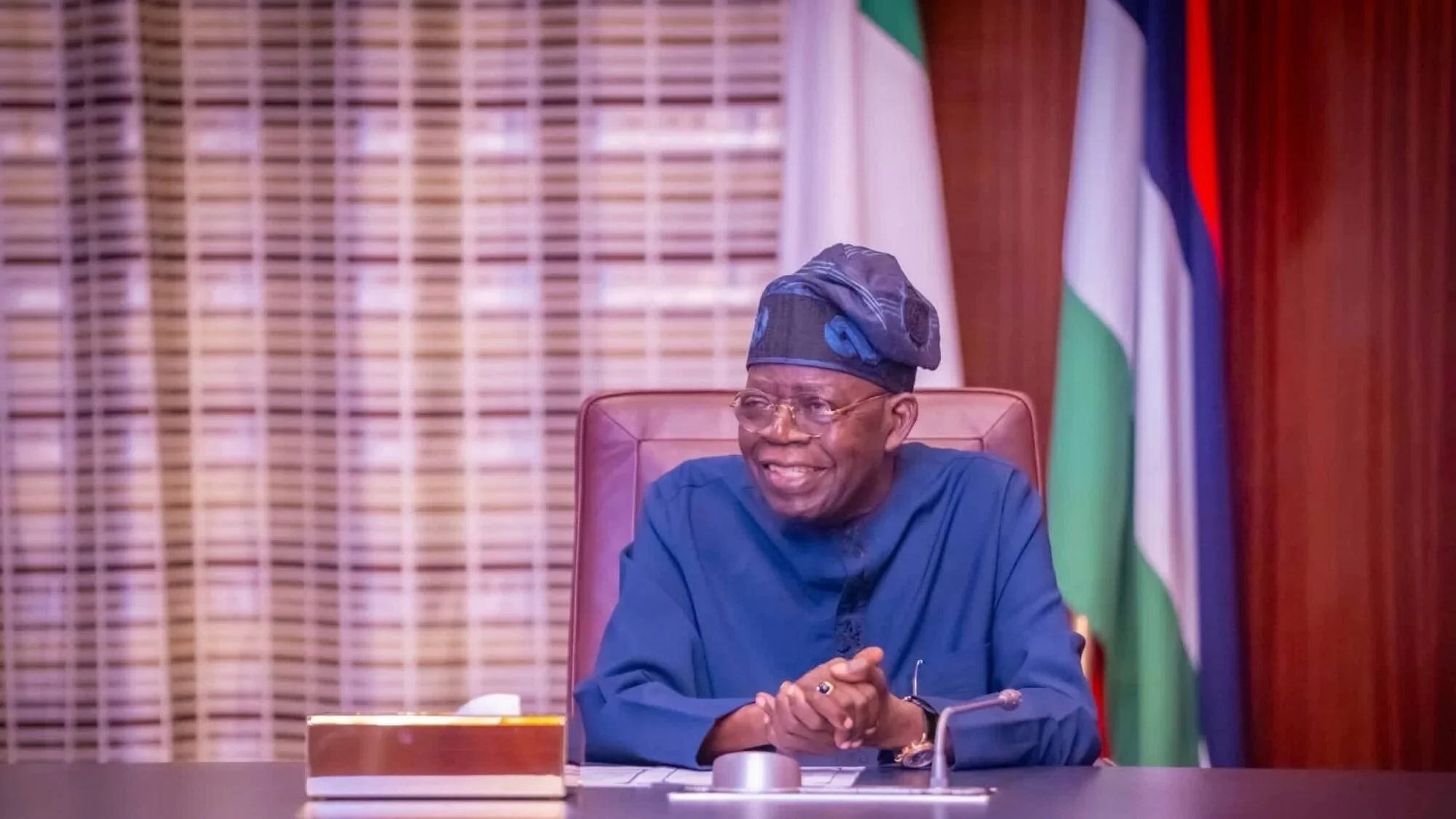
President Bola Tinubu
President Bola Tinubu has requested approval from the House of Representatives to implement the Federal Government's ₦10.79 trillion external borrowing plan contained in the 2026 Appropriation Act, as the government seeks financing for part of its projected budget deficit.
The request, equivalent to approximately $7.7 billion at the budget exchange rate of ₦1,400 to the dollar, was contained in a letter read by Speaker of the House, Tajudeen Abbas, during plenary on Wednesday.
/ You Might Also Like /




Tinubu said the external financing would support the implementation of projects and programmes captured in the 2026 budget, particularly in infrastructure, defence and security, agriculture, healthcare, power, transportation and education.
The request seeks to fulfil statutory requirements for legislative approval of external loan terms and conditions before the government proceeds with the borrowing arrangements.
External Borrowing Forms Part of ₦29.2tn Budget Financing Plan
The President explained that the 2026 Appropriation Act provided for approximately ₦29.2 trillion in new borrowing to partly finance a budget deficit estimated at ₦31.4 trillion.
The borrowing provision comprises ₦18.4 trillion in domestic financing and ₦10.79 trillion in external borrowing.
The external component is the subject of the latest request to the House of Representatives. It does not represent an additional ₦10.79 trillion borrowing provision outside the amount already captured in the 2026 budget.
Tinubu said the government intended to raise the funds through a combination of financing sources, depending on their costs, benefits and the time required to access them.
These include Eurobond issuance, concessional and commercial loans from multilateral and bilateral institutions, International Monetary Fund facilities, bridge financing, loan syndications and direct borrowing from international financial institutions.
The President indicated that the government would place greater emphasis on Eurobond issuance because of the relatively faster process for raising substantial funds through the international capital market.
However, the final interest rates, repayment periods and other borrowing conditions will depend on market conditions when the financing arrangements are concluded.
House Clarifies Scope of President's Request
Following the presentation of the letter, Abbas clarified that the President was not seeking approval for a fresh borrowing provision.
He explained that the ₦10.79 trillion external borrowing had already received legislative approval through the 2026 Appropriation Act. The latest request concerns the statutory authorisation required to implement the external financing and approve the relevant loan terms and conditions.
The Speaker also distinguished the request from a separate proposal for additional external borrowing, noting that both matters would be considered independently.
The House subsequently referred the President's communication to its joint committees on Aids, Loans and Debt Management and Finance for further consideration.
The request follows an earlier presentation to the Senate, which referred the external borrowing proposal to its Committee on Local and Foreign Debts for scrutiny.
Government Identifies Priority Sectors for Loan Proceeds
Tinubu said the proposed external financing would support capital projects and programmes across several sectors.
The identified priorities include:
Infrastructure and transportation: Funding projects intended to improve connectivity and support economic activity.
Power: Supporting electricity infrastructure and related programmes.
Agriculture: Financing initiatives aimed at strengthening agricultural production.
Defence and security: Providing resources for security-related programmes.
Healthcare and education: Supporting public investment in essential social infrastructure.
The President also argued that the foreign currency proceeds would contribute to Nigeria's external reserves because the Central Bank of Nigeria would receive the funds on behalf of the Federal Government.
He said the additional foreign exchange could support the stability of the naira, although the extent of that impact would depend on the timing and structure of the borrowing.
Borrowing Plan Comes Amid Rising Debt Obligations
The proposed financing comes as Nigeria continues to rely on domestic and external borrowing to fund budget deficits and infrastructure spending.
The government's 2026 budget places substantial emphasis on new borrowing, with the external component expected to account for approximately ₦10.79 trillion of the ₦29.2 trillion financing provision.
The latest request also follows the President's earlier proposal for a much larger external borrowing programme covering 2026 and 2027, which involved approximately $20.5 billion and €1.05 billion. The government subsequently presented the more specific $7.7 billion external financing request for the 2026 budget.
Although the administration has argued that external financing will support infrastructure development and economic growth, the proposed borrowing raises questions about repayment costs, foreign exchange exposure and the capacity of public revenues to service debt.
The final implications will depend on the financing terms secured, how efficiently the government deploys the proceeds and whether the funded projects deliver sufficient economic and public value.
For Nigeria's infrastructure sector, the proposed funds could support capital investment in transportation, electricity and other essential facilities. However, the economic benefits will depend on project execution and the government's ability to manage the additional debt obligations.
READ MORE