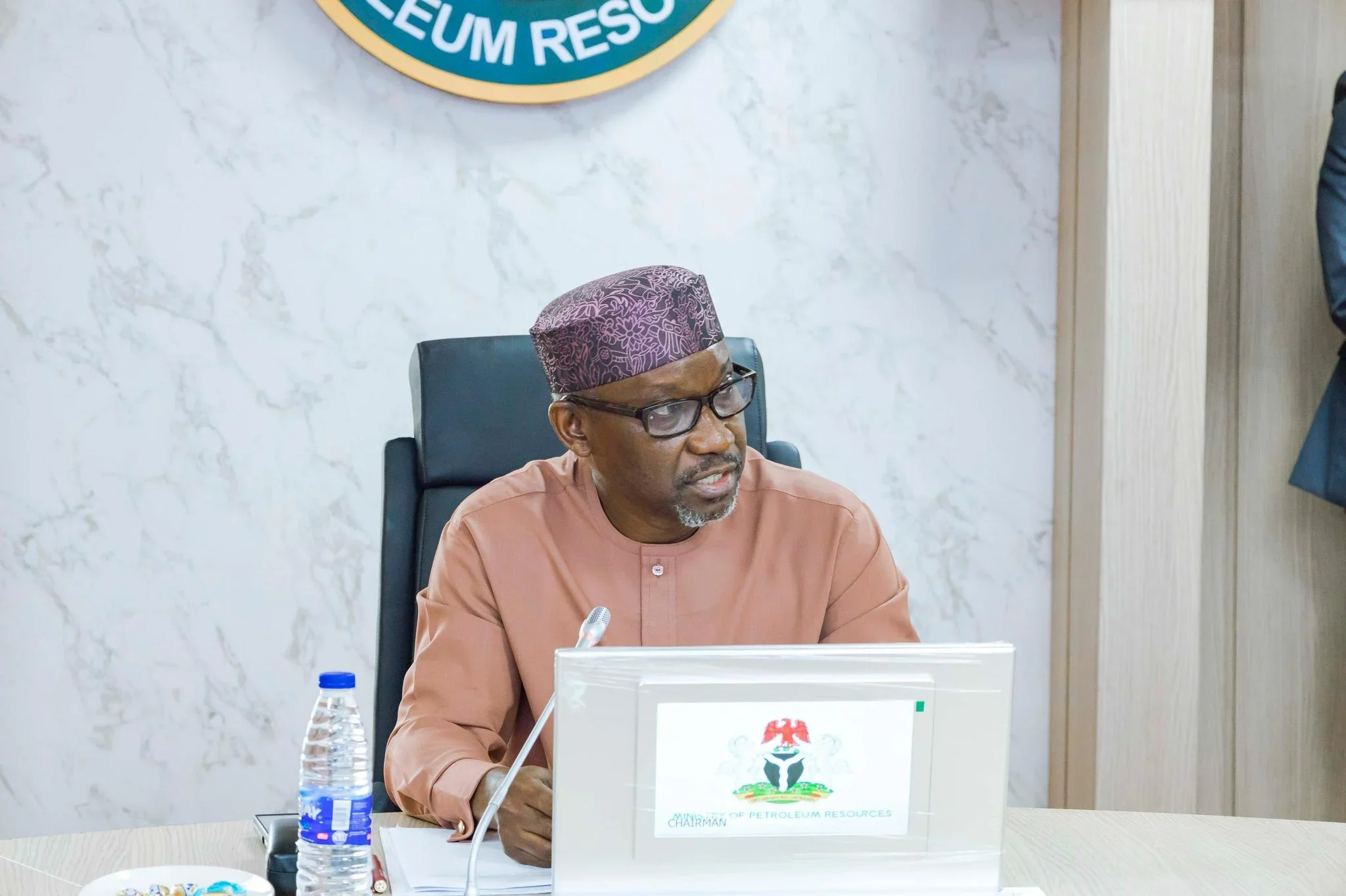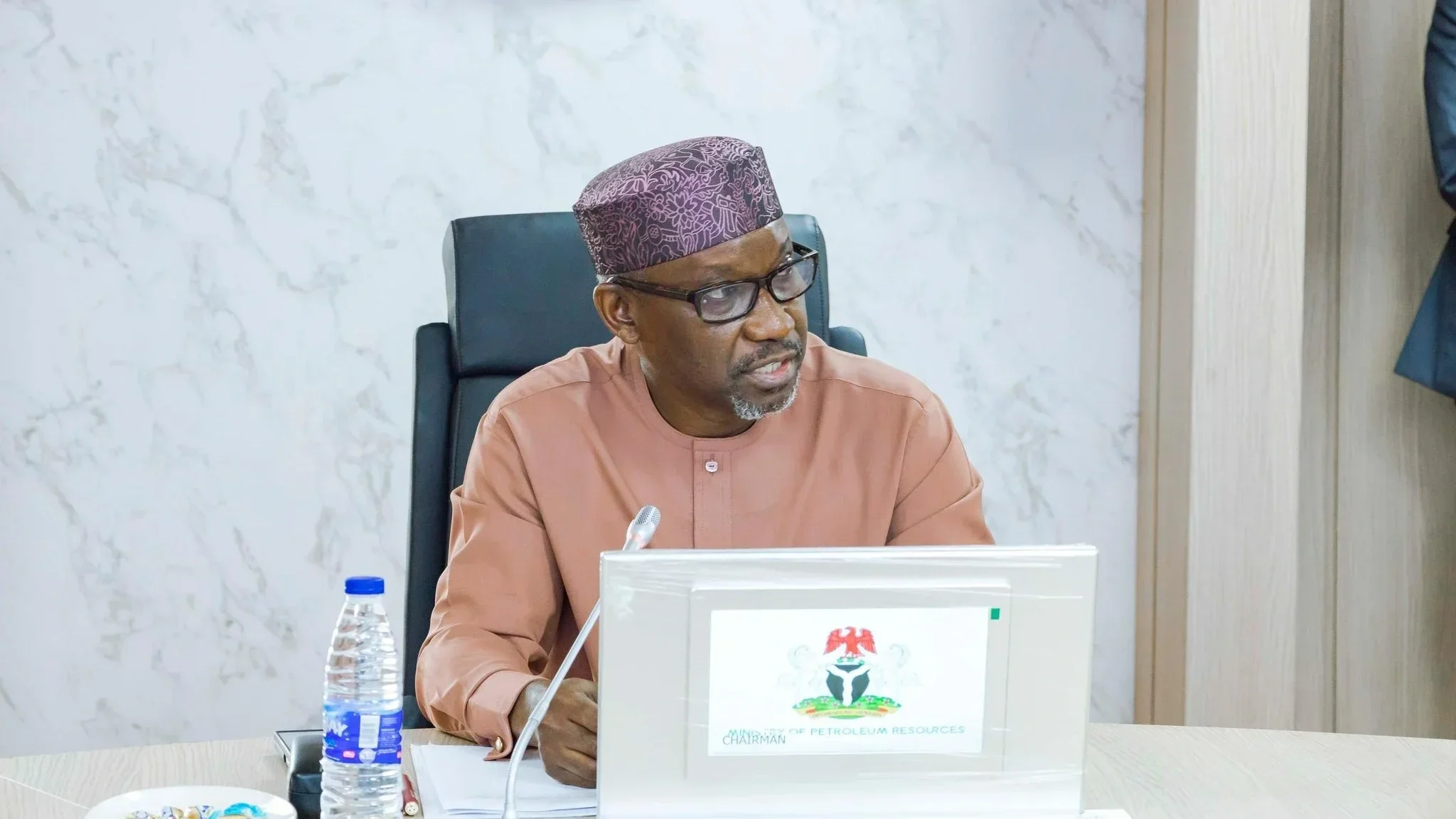
Minister of State for Petroleum Resources (Gas), Ekperikpe Ekpo
The Federal Government has commissioned three liquefied-to-compressed natural gas (LCNG) facilities in Kano State, with a combined processing and distribution capacity of 321,000 standard cubic metres per day (SCMD), as it steps up efforts to expand access to natural gas for transportation and businesses.
The facilities, developed by Rolling Energy Limited with support from the Midstream and Downstream Gas Infrastructure Fund (MDGIF), comprise a 300,000-SCMD distribution hub at Tamburawa and a 21,000-SCMD daughter and retail station at Hotoro, alongside a separate last-mile retail outlet.
/ You Might Also Like /




Minister of State for Petroleum Resources (Gas), Ekperikpe Ekpo, commissioned the facilities on Tuesday, November 10, describing the investment as part of the government's strategy to deepen domestic gas utilisation and make alternative energy sources more accessible.
Kano Facilities Designed to Expand Gas Distribution
The larger facility at Tamburawa, in Dawakin Kudu Local Government Area, combines LNG storage, regasification and CNG distribution infrastructure. It will serve as a supply hub for smaller daughter stations, extending gas distribution to other locations.
The Hotoro facility, in Tarauni Local Government Area, is designed to bring gas closer to end users through its daughter-station and retail operations.
Together, the facilities are expected to strengthen gas supply in Kano and surrounding areas, where transport operators and businesses represent potential users of compressed natural gas.
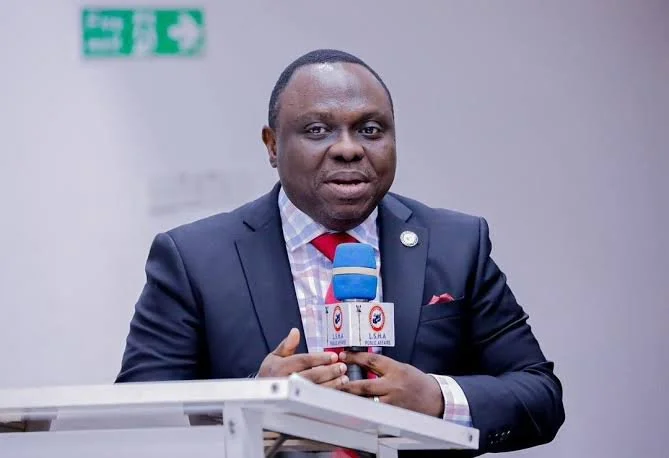
Oluwole Adama, Executive Director of MDGIF, said the commissioned infrastructure could refuel up to 2,500 cars and tricycles daily, as well as 200 trucks.
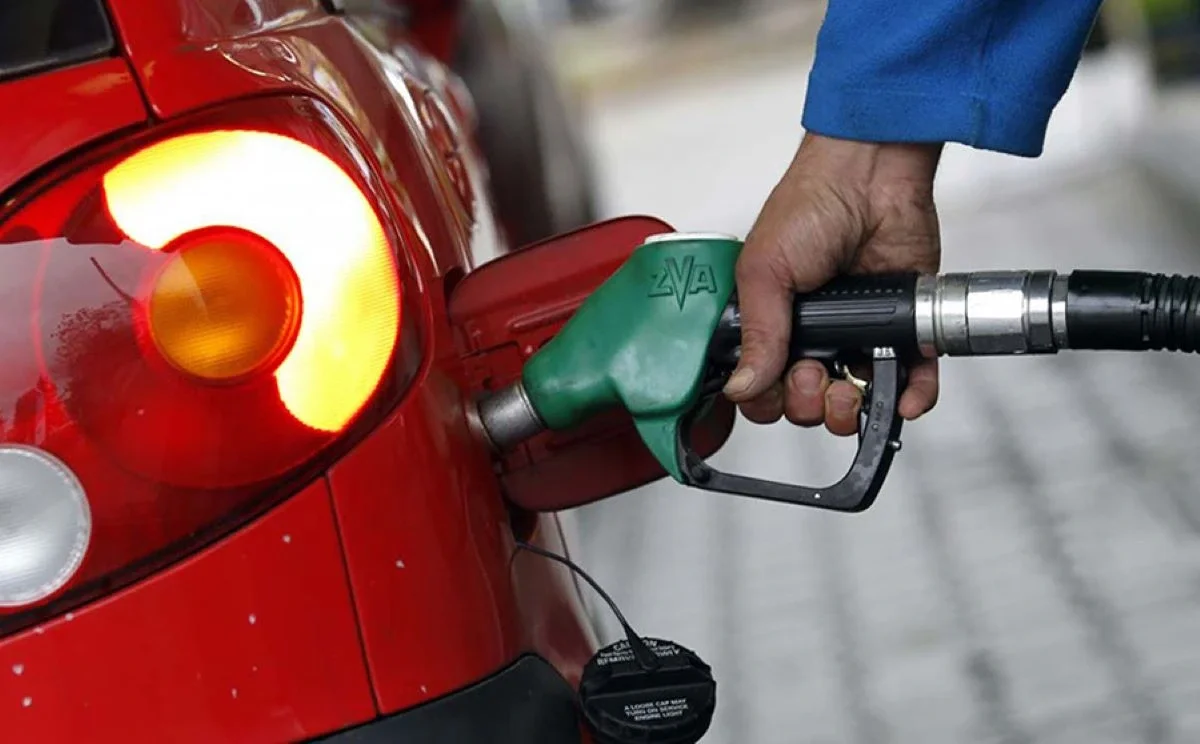
He also cited a significant potential cost difference between petrol and CNG in Kano. According to him, petrol sold for approximately ₦1,420 per litre, while the equivalent energy from CNG cost about ₦600 at the time of the commissioning.
The comparison highlights the potential operating-cost advantage for commercial transport operators, although actual savings will depend on fuel prices, vehicle conversion costs and reliable access to refuelling facilities.
Government Relies on Private Investment to Expand Gas Infrastructure
The projects reflect the Federal Government's growing reliance on private-sector investment to develop the infrastructure required to distribute Nigeria's natural gas resources.
MDGIF provided support for the Rolling Energy projects, illustrating the role of public financing mechanisms in attracting private capital into gas infrastructure.
Adama said the fund's priorities would include ensuring dependable gas supply, safe operations, proper maintenance and higher utilisation of the facilities.
Rolling Energy's founder and Chief Executive Officer, Mubarak Danbatta, said the company's partnership with MDGIF forms part of a wider energy infrastructure programme.
The planned network includes 10 gas stations, eight proposed regasified liquefied natural gas (RLNG) gas-to-power facilities and a transportation network covering nine LCNG facilities across Kano, Kaduna, Borno and Abuja.
The expansion is intended to address distribution challenges that have historically forced some businesses to transport CNG over long distances from supply points in Kogi State.
MDGIF Supports 200 Gas Infrastructure Projects Nationwide
The Kano commissioning comes amid a broader national effort to expand gas infrastructure.
In August 2026, MDGIF disclosed that it was supporting approximately 200 gas infrastructure projects across Nigeria as part of efforts to improve domestic utilisation of the country's estimated 200 trillion cubic feet of gas reserves.
The fund has identified inadequate infrastructure as a major obstacle to unlocking the economic value of these resources. It has also highlighted a reported annual gas infrastructure investment gap of $20 billion.
Separately, the Federal Government recently disclosed that approximately 106 CNG refuelling stations were operational nationwide, alongside $2.6 billion in private-sector investment to expand the programme.
The Presidential Initiative on Compressed Natural Gas and Electric Vehicles (Pi-CNG) has also indicated plans for about 500 additional refuelling infrastructure units through MDGIF support.
Infrastructure Expansion Remains Critical to CNG Adoption
The commissioning of the Kano facilities addresses an important constraint in Nigeria's transition towards gas-powered transportation: the availability of reliable refuelling infrastructure.
Expanding vehicle conversion programmes without sufficient refuelling capacity could limit adoption, particularly among commercial drivers and fleet operators who depend on predictable access to fuel.
The new facilities could also support businesses and industries that require alternative energy sources, while creating opportunities in gas transportation, vehicle conversion, equipment maintenance and related services.
However, the long-term impact will depend on consistent gas supply, competitive pricing, operational safety and the development of distribution networks beyond the initial locations.
For Nigeria's domestic gas strategy, the challenge is no longer limited to the size of its reserves. It is increasingly about building the infrastructure that connects those resources to households, businesses and transport operators.
READ MORE