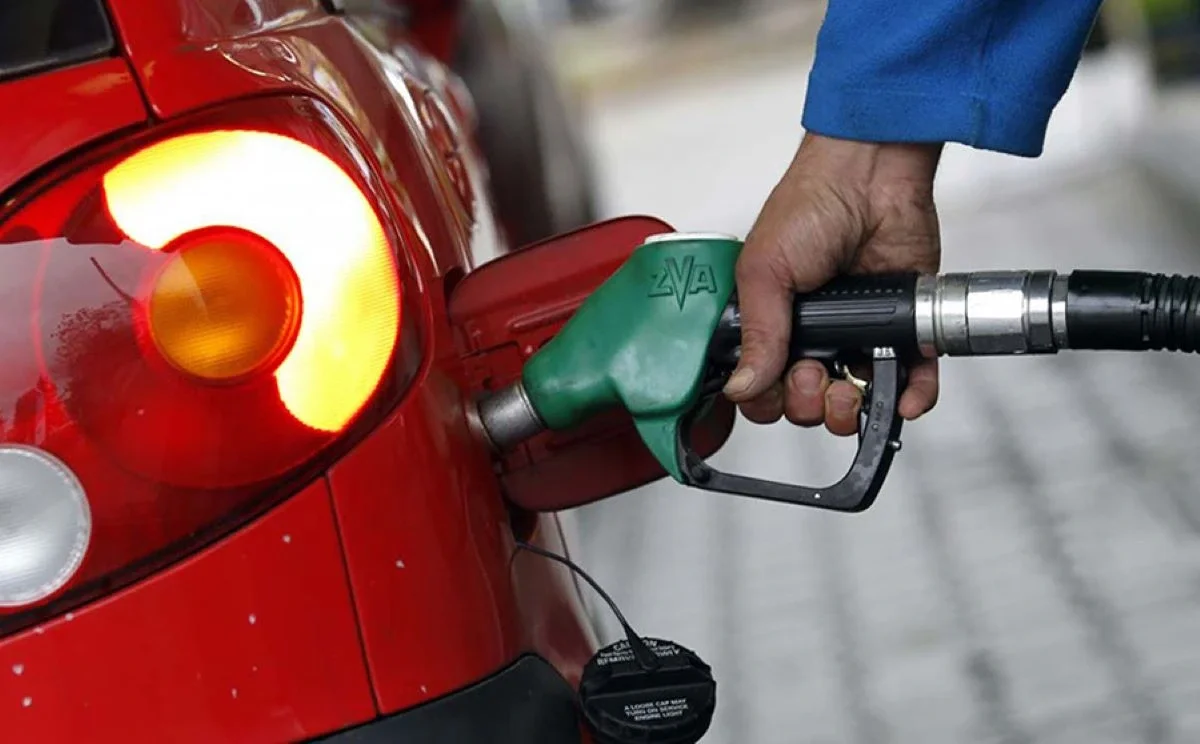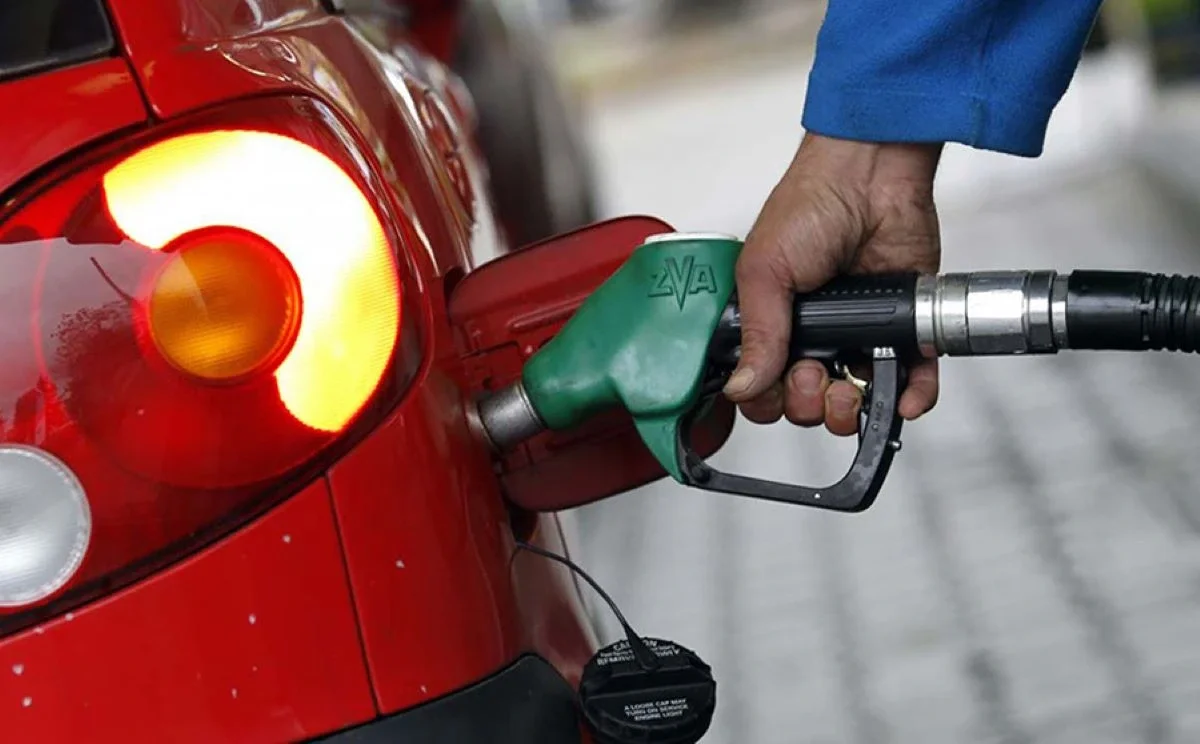
The FCCPC says sustained declines in international crude oil prices should translate into lower petrol and diesel prices for Nigerian consumers.
The Federal Competition and Consumer Protection Commission (FCCPC) has warned petroleum refiners and marketers against maintaining relatively high petrol and diesel prices despite falling international crude oil prices, saying consumers should benefit from lower supply costs.
The Commission's Executive Vice Chairman and Chief Executive Officer, Tunji Bello, gave the warning in a statement issued on Tuesday, November 10, 2026, following concerns over the continued high cost of petroleum products in Nigeria.
/ You Might Also Like /




The FCCPC said Brent crude futures had fallen from a peak of $115 per barrel in September to below $90, raising expectations that domestic petrol prices should begin to ease if the decline continues.
However, petrol prices remain significantly higher than levels recorded before the international market disruption earlier in the year.
Petrol Prices Remain Above ₦1,300 in Major Cities
According to the Commission, petrol currently sells for an average of between ₦1,405 and ₦1,420 per litre in Abuja, while prices in Lagos range from ₦1,325 to ₦1,370 per litre.
The FCCPC compared these prices with those recorded on February 27, before the outbreak of the conflict involving the United States, Israel and Iran. Brent crude futures closed at $72.48 per barrel that day, while petrol sold for between ₦839 and ₦925 per litre in Lagos and Abuja.
Petroleum marketers have attributed the increase in domestic fuel prices over the past eight months to international crude oil volatility and disruptions linked to the conflict in the Middle East, including the blockade of the Strait of Hormuz.
The strategic shipping route handles at least 25 per cent of global oil traffic, making disruptions a significant factor in international energy supply and pricing.
FCCPC Warns Marketers Over Slow Price Adjustments
Bello said a sustained reduction in crude oil prices should ease wholesale petroleum costs and eventually lower retail prices.
The Commission expects refiners and marketers to pass any resulting savings to consumers without unnecessary delays.
It also acknowledged the pressure that elevated fuel prices have placed on households and businesses, particularly through transportation, power generation and other operating expenses.
The FCCPC said it would continue working with the Nigerian Midstream and Downstream Petroleum Regulatory Authority (NMDPRA) and other relevant agencies to monitor wholesale and retail prices.
It warned that it would take appropriate action within its statutory mandate if investigations establish anti-competitive conduct or unfair market practices that prevent consumers from benefiting from lower costs.
What Falling Oil Prices Could Mean for Nigerian Consumers
A sustained decline in international crude oil prices could create room for lower petrol and diesel prices, potentially easing transportation expenses, household energy bills and business operating costs.
However, changes in crude prices do not automatically translate into immediate reductions at filling stations. Domestic pump prices also reflect refining and import costs, exchange rates, logistics, distribution expenses and other market conditions.
The FCCPC's intervention therefore places greater attention on how refiners, depot operators and retailers adjust their prices as international market conditions change.
For households and businesses that depend heavily on petrol and diesel for transportation and electricity generation, the speed at which lower wholesale costs translate into retail savings will determine whether the decline in crude prices provides meaningful economic relief.
READ MORE