Housing Construction Emerges as Job Engine as 1,900 Workers Join Gwagwalada Project

Housing construction drives jobs in Gwagwalada
Nigeria’s housing construction drive is generating significant employment across the building value chain, with more than 1,900 workers engaged during the excavation phase of a housing project in Gwagwalada, Abuja.
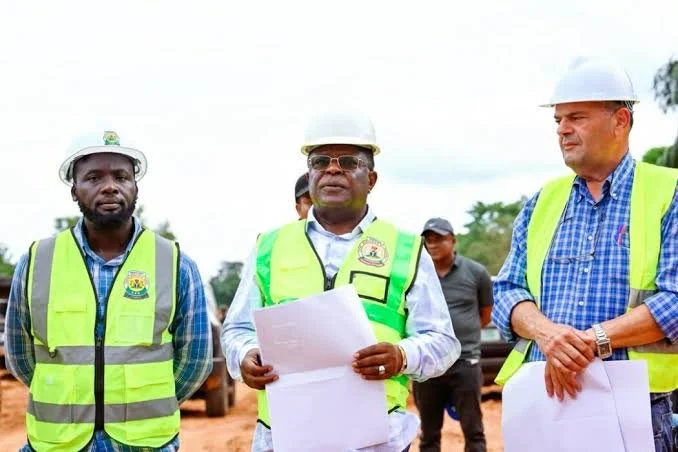
The Minister of Housing and Urban Development, Muttaqha Darma, disclosed the figure during an inspection of the National Housing Programme estate and Renewed Hope Civil Service Estate in Dukpa, Gwagwalada, highlighting the employment impact of large-scale housing construction.
/ You Might Also Like /




Gwagwalada Project Engages More Than 1,900 Workers
The project under inspection involves 110 blocks of two-bedroom flats, with the initial excavation phase already employing more than 1,900 people.
Darma said employment would expand as the project progresses into building works and other construction activities, including machinery operations, general labour and concrete mixing.
The scale of employment at the excavation stage illustrates how housing projects can generate demand beyond the eventual construction workforce, extending into materials supply, transportation, equipment operation and other supporting services.
Housing Delivery Creates Wider Economic Activity
The employment impact of housing construction extends across a broad value chain.
Large-scale residential developments generate demand for cement, steel, blocks, roofing materials, electrical components, plumbing products, machinery and transport services. Contractors and developers also engage engineers, architects, quantity surveyors, artisans, technicians and other professionals.
As projects progress, spending flows through suppliers and service providers, creating additional economic activity around construction sites and surrounding communities.
This makes housing investment relevant not only to the availability of residential units but also to industrial production, logistics and employment.
Government Reaffirms 100,000-Home Target
Darma also reaffirmed the Federal Government’s target of delivering 100,000 housing units before the end of President Bola Tinubu’s first tenure.
The minister said the ministry expects to surpass the target, as construction activity continues across different housing projects.
The 100,000-unit objective has previously been identified as a central component of the administration’s housing programme, with projects intended to increase housing supply while stimulating economic activity.
The latest comments therefore add an employment dimension to a target that has largely been discussed in terms of housing supply and homeownership.
250-Unit Civil Service Estate Targets Six-Month Completion
The minister also said the 250-unit Renewed Hope Civil Service Estate in Dukpa is expected to be completed within six months.
Darma directed the project engineer to obtain work plans from individual contractors so that progress could be measured against agreed milestones.
The emphasis on contractor-specific timelines points to the importance of execution and project monitoring as the government attempts to convert housing commitments into completed and occupiable units.
For the housing market, actual delivery remains more significant than announced targets because completed projects add immediately to the formal housing stock and create usable assets for households.
Construction Activity Supports the Housing Supply Chain
The Gwagwalada project also demonstrates the connection between housing delivery and Nigeria’s domestic construction industry.
Every additional housing project creates demand for materials and services, potentially supporting manufacturers, distributors, artisans and logistics operators. Sustained construction activity can therefore create a broader market for businesses linked to the built environment.
However, the scale of these benefits depends on the pace at which projects move from excavation to completed housing and on the extent to which locally produced materials and domestic contractors participate in the value chain.
Gwagwalada’s Strategic Housing Role
Gwagwalada is part of the wider Abuja metropolitan growth corridor, making housing delivery in the area relevant to both residential supply and urban expansion.
Additional housing stock can support population growth outside the core Federal Capital Territory while reducing some of the pressure on established Abuja districts.
For developers and infrastructure providers, expanding residential development also creates demand for roads, drainage, water supply, electricity, transport connections, schools, healthcare facilities and neighbourhood-level commercial services.
The effectiveness of these developments will therefore depend not only on the number of houses delivered but also on the infrastructure and services supporting the communities in which they are located.
Housing Investment Has a Multiplier Effect
The employment figures from Gwagwalada underline the potential multiplier effect of housing investment.
While the immediate objective of a housing project is to deliver residential units, construction spending can simultaneously support employment, building-material manufacturing, professional services, transportation and local commerce.
For Nigeria, where the housing challenge intersects with employment, infrastructure and industrial development, sustained investment in housing can therefore have effects beyond the residential property market.
The challenge for policymakers and developers is to maintain construction momentum while ensuring that projects remain financially viable and that completed homes are accessible to the households they are intended to serve.
Outlook
The engagement of more than 1,900 workers during the excavation phase of the Gwagwalada project highlights the employment potential embedded in large-scale housing construction.
As the Federal Government pursues its 100,000-home target, the economic significance of the programme will increasingly depend on how quickly projects move through construction, how much domestic demand they generate across the building-materials supply chain and how many completed homes reach households.
READ MORE