Niger State Allocates 500 Hectares for Mega Solar Farm and Industrial Park
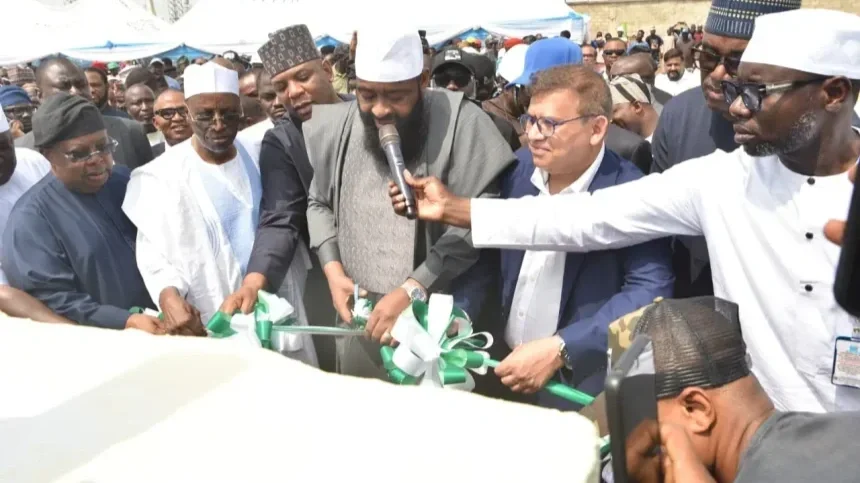
Abuja Steel Mills to Develop Mega Solar Farm on 500 Hectares in Niger
The Niger State Government has officially handed over 500 hectares of land to Abuja Steel Mills Limited for the development of a large-scale solar farm and the African Industries Group (AIG) Industrial Park. The project, located in Sabon Wuse, Tafa Local Government Area, is expected to strengthen industrial activity, expand renewable energy capacity and create new employment opportunities in the state.
/ You Might Also Like /


Governor Mohammed Umaru Bago described the initiative as a landmark investment that aligns with the state's ambition to become a leading destination for industrial and infrastructure development. According to the governor, the project represents a significant step towards transforming Niger State into a major hub for manufacturing, energy production and private-sector investment.
Project Expected to Drive Industrialisation
Speaking during the groundbreaking ceremony, Governor Bago said the development would accelerate industrialisation and unlock economic opportunities for local communities and businesses. He noted that the project goes beyond physical infrastructure, serving as a catalyst for broader economic transformation across the state.
The governor also revealed plans to gazette approximately 200,000 hectares of additional land stretching towards the Kaduna State border for future industrial development. According to him, the strategy is designed to leverage the Ajaokuta-Kaduna-Kano (AKK) gas pipeline, solar resources and the state's hydropower assets to attract large-scale investments.
Mega Solar Farm to Support Energy and Manufacturing
Chairman of African Industries Group, Raj Gupta, described the land allocation as a historic milestone for both the company and the country. He stated that the project could become one of the largest solar power installations in Sub-Saharan Africa while supporting the expansion of steel manufacturing operations and industrial activities.
According to Gupta, the project is intended not only to strengthen industrial output but also to create long-term economic opportunities and improve livelihoods in surrounding communities. He added that integrating renewable energy into industrial development would help position Nigeria more prominently within both the global manufacturing and clean energy sectors.
Federal Government Backs Investment
The project received support from several federal government officials, including the Minister of Power, Adebayo Adelabu's successor Joseph Tegbe, the Minister of Steel Development, Shuaibu Audu, and the Minister of State for Industry, Trade and Investment, John Owan Enoh. They described the investment as a significant contribution to Nigeria's industrialisation agenda and economic diversification efforts.
Minister Tegbe said attracting credible private investment remains critical to economic growth, noting that projects of this scale can create lasting economic value through employment generation, industrial expansion and infrastructure development.
Similarly, Minister Audu said the investment aligns with the Federal Government's ambition to grow Nigeria's economy through increased industrial production and strategic investments in key sectors such as steel and energy.
Economic and Housing Implications
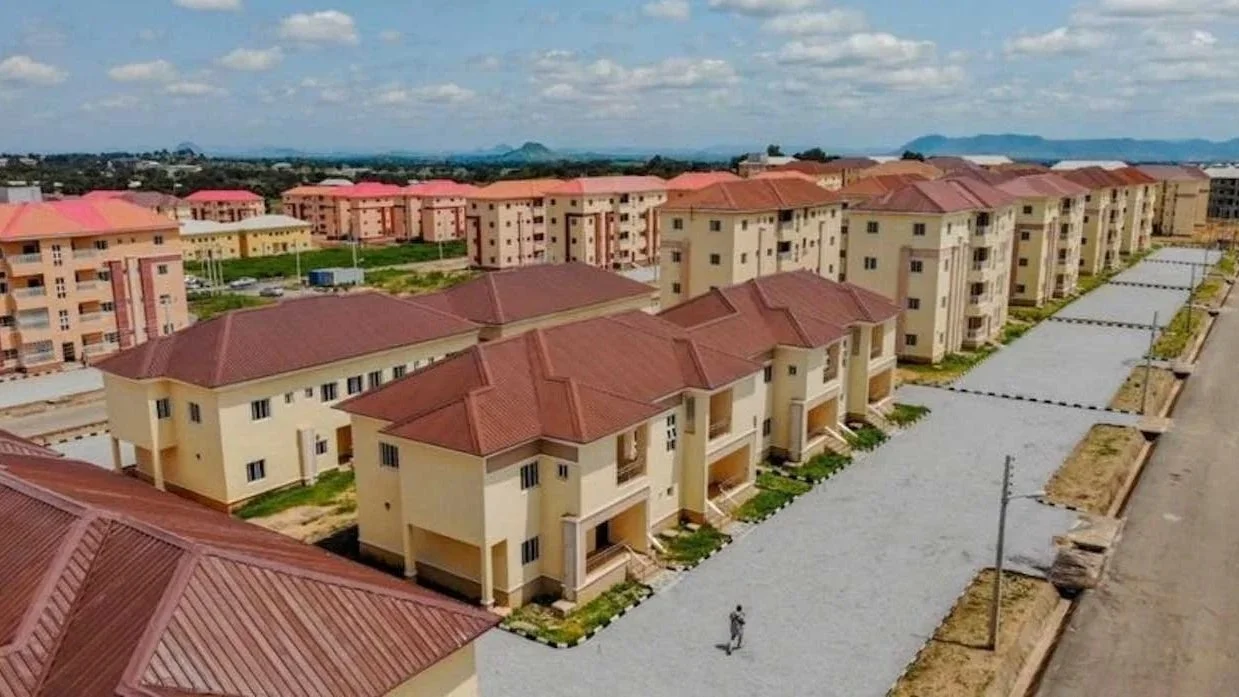
For the housing and real estate sector, the development could have significant implications. Large-scale industrial projects typically generate demand for residential housing, worker accommodation, commercial properties and supporting urban infrastructure.
The establishment of the industrial park is expected to stimulate economic activity around Sabon Wuse and neighbouring communities, potentially increasing demand for housing developments, retail centres, logistics facilities and mixed-use projects. As employment opportunities expand, property markets in the surrounding corridor could benefit from population growth and increased investor interest.
The project may also strengthen demand for industrial real estate, warehousing and supporting infrastructure, sectors that continue to attract growing attention from institutional investors and developers.
Renewable Energy and Infrastructure Growth
The inclusion of a major solar farm reflects the growing role of renewable energy in Nigeria's industrial development strategy. Industry experts note that reliable power supply remains one of the most important factors influencing manufacturing competitiveness and investment decisions.
By integrating renewable energy generation with industrial operations, the project could help reduce energy costs, improve operational efficiency and support more sustainable industrial growth. The development also aligns with broader efforts to expand renewable energy capacity and strengthen energy security across the country.
Outlook
The 500-hectare solar farm and industrial park project represents one of the most ambitious industrial investments currently underway in Niger State. If successfully implemented, the development could strengthen the state's position as a manufacturing and renewable energy hub while generating employment, attracting investment and stimulating urban growth.
Stakeholders will be closely monitoring project execution, infrastructure development and the broader economic impact on surrounding communities as construction progresses.
Conclusion
Niger State's decision to allocate 500 hectares to Abuja Steel Mills for a mega solar farm and industrial park underscores growing efforts to combine industrial development with renewable energy investment. Beyond manufacturing and power generation, the project has the potential to influence housing demand, urban expansion and economic activity across the region, making it a significant development for both the industrial and real estate sectors.
READ MORE