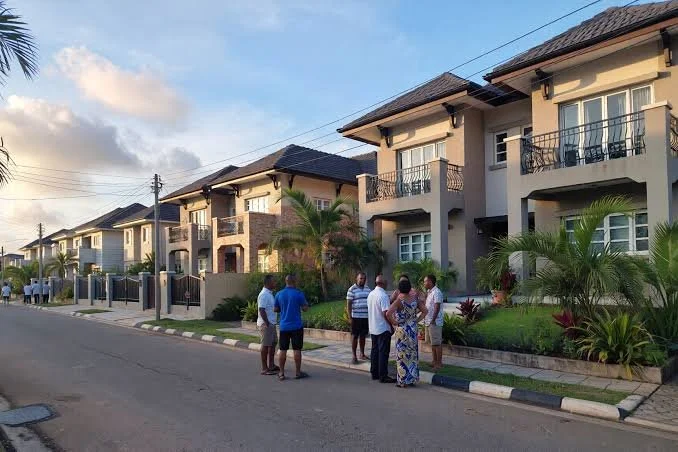
Lagos Begins Enforcement Against Illegal Roadside Waste Dumping

State Government Moves Against Indiscriminate Waste Disposal
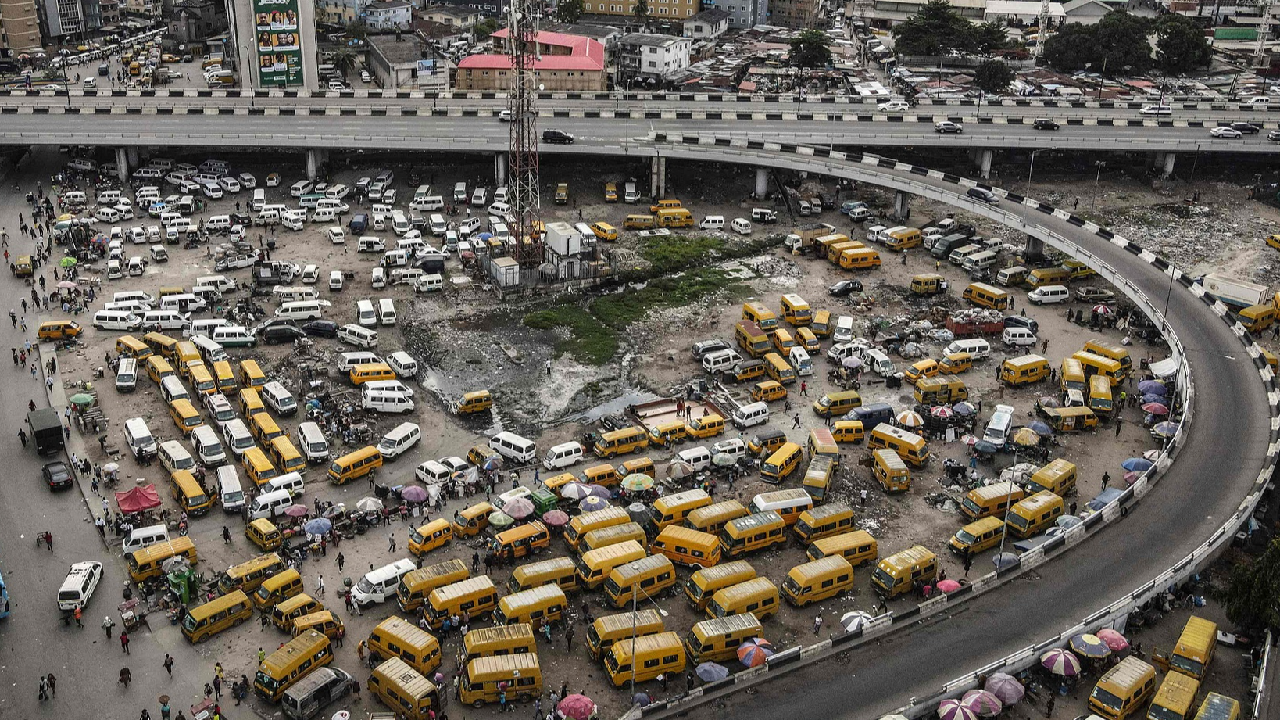
The Lagos State Government has commenced enforcement actions against illegal roadside waste dumping as part of a broader effort to improve environmental sanitation, protect public health and maintain urban infrastructure. The initiative targets individuals, businesses and commercial operators that dispose of waste on roads, medians, drainage channels and other unauthorised locations across the state.
/ You Might Also Like /


According to state officials, the enforcement campaign forms part of ongoing efforts to strengthen waste management practices and ensure compliance with environmental regulations in Nigeria’s commercial capital. Authorities say indiscriminate waste disposal continues to contribute to flooding, environmental degradation and public health risks, particularly during the rainy season.
Government Targets Environmental Violations
The enforcement exercise is being coordinated through relevant environmental agencies responsible for sanitation and waste management across Lagos.
Officials stated that roadside dumping remains a major challenge despite existing waste collection systems and public awareness campaigns. The government noted that illegal disposal of refuse often obstructs drainage infrastructure, contributes to flooding and undermines investments in urban development projects.
Authorities warned that offenders will face sanctions in accordance with environmental laws, adding that enforcement teams have been deployed to monitor compliance in key locations throughout the state.
Improving Urban Sanitation and Public Health
The latest enforcement drive reflects growing concerns over the impact of poor waste management on public health and environmental sustainability.
Environmental experts have consistently linked indiscriminate waste disposal to increased risks of water contamination, disease outbreaks and deteriorating living conditions. Waste dumped on roads and drainage channels can also create hazards for motorists and pedestrians while reducing the efficiency of urban infrastructure.
State officials said maintaining cleaner public spaces remains essential to improving residents’ quality of life and supporting Lagos’ long-term urban development goals.
Implications for Housing and Real Estate
Effective waste management is increasingly viewed as an important component of sustainable housing and urban planning.
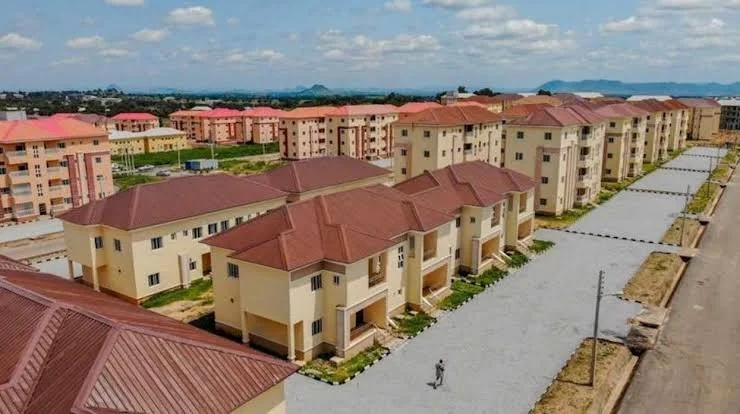
Clean environments and well-maintained public infrastructure contribute significantly to property values, neighbourhood attractiveness and overall quality of life. Conversely, poor sanitation and unmanaged waste can negatively affect residential communities, commercial districts and investment prospects.
For property developers and investors, improved environmental enforcement can enhance the appeal of key residential and commercial corridors while supporting broader urban regeneration efforts.
Flood Prevention Remains a Priority
One of the primary objectives of the enforcement campaign is to reduce flooding caused by blocked drainage systems.
Lagos has experienced recurring flood challenges due to rapid urbanisation, inadequate drainage maintenance and indiscriminate waste disposal. Environmental authorities argue that preventing refuse from entering drainage channels is critical to improving water flow and reducing flood-related damage to homes, businesses and public infrastructure.
The government has repeatedly emphasised that effective flood management requires both public cooperation and strict enforcement of environmental regulations.
Stakeholders Call for Greater Public Compliance
While enforcement remains important, stakeholders have also stressed the need for continued public education and behavioural change.
Environmental advocates argue that long-term success will depend on residents and businesses adopting responsible waste disposal practices and making use of approved waste collection services. They also emphasise the importance of strengthening recycling initiatives and expanding waste management infrastructure.
Industry observers note that combining enforcement with public awareness campaigns could deliver more sustainable outcomes for environmental management across the state.
Outlook
The Lagos State Government is expected to sustain enforcement activities as part of its wider environmental and urban management agenda. Officials say efforts will continue to focus on compliance monitoring, public education and improvements to waste collection systems.
As Lagos continues to expand, effective waste management will remain essential to maintaining environmental quality, protecting infrastructure and supporting sustainable urban growth.
Conclusion
The commencement of enforcement against illegal roadside waste dumping marks another step in Lagos State’s efforts to improve sanitation, reduce flooding and enhance environmental sustainability. For residents, developers and investors, cleaner urban environments and better waste management practices remain critical to creating healthier, more resilient and economically vibrant communities.
READ MORE