Oyo State Governor Seyi Makinde
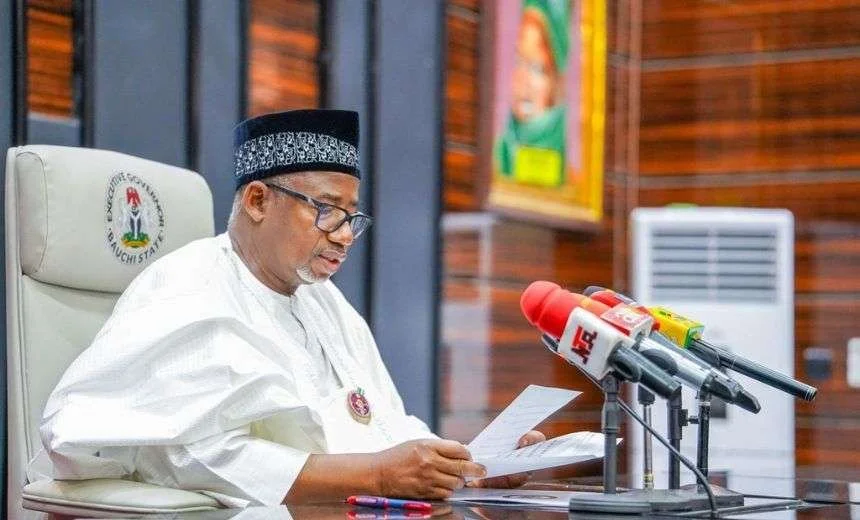
Oyo State Governor and Allied Peoples Movement (APM) presidential candidate Seyi Makinde has questioned the Federal Government’s spending priorities, challenged the effectiveness of its fuel-cost interventions and demanded the publication of the pricing framework used to determine petrol prices in Nigeria.
/ You Might Also Like /




Makinde made the remarks on Tuesday, 20 October 2026, at the APM Presidential Campaign Organisation’s South-South Town Hall Meeting in Uyo, Akwa Ibom State. He criticised the government’s focus on large infrastructure projects, including the Lagos-Calabar Coastal Highway, and questioned whether its Compressed Natural Gas (CNG) initiative and Naira-for-Crude policy had delivered meaningful relief to Nigerians.
Makinde Questions Federal Government's Infrastructure Priorities
Makinde questioned the government's emphasis on major infrastructure projects at a time when households continue to face high transportation costs and pressure on their purchasing power.
He specifically challenged the rationale for prioritising the Lagos-Calabar Coastal Highway, a flagship federal project designed to connect Lagos with Calabar in Cross River State along Nigeria's southern coastline.
The highway is planned to cover approximately 700 kilometres and is intended to improve transport connections and support economic activity and tourism along the coast.
However, the project's cost, long-term sustainability and potential environmental challenges have attracted public debate. Makinde argued that the government needed to demonstrate how such large-scale investments would translate into tangible benefits for ordinary Nigerians.
His comments place renewed attention on the need to assess major public infrastructure projects not only by their scale but also by their economic returns, affordability and impact on households and businesses.
Governor Questions Impact of CNG and Naira-for-Crude Policies
Makinde also questioned whether the Presidential Initiative on Compressed Natural Gas and the Naira-for-Crude policy had reduced transportation costs as intended.
He argued that the existence of government initiatives did not necessarily mean they had achieved their objectives, particularly if Nigerians continued to face high transport fares.
The CNG initiative aims to encourage the use of natural gas as a cheaper alternative to petrol for vehicles and other applications. Wider adoption could help transport operators reduce fuel expenses and potentially pass savings on to passengers.
The Naira-for-Crude arrangement, meanwhile, was designed to support domestic refining by allowing eligible crude oil transactions with local refineries to take place in naira. Its intended benefits include reducing pressure on foreign exchange demand associated with crude purchases and supporting domestic fuel supply.
Makinde questioned the practical results of these measures, arguing that the government should demonstrate how they had improved the financial position of households and transport operators.
Makinde Demands Transparency in Petrol Pricing
A central part of Makinde's criticism focused on the Federal Government's proposed price-modulation policy for petroleum products.
He challenged the government to publish its petrol pricing template, arguing that transparent disclosure would allow Nigerians with relevant expertise to examine the figures, identify cost pressures and suggest practical solutions.
Makinde said the government should make the underlying pricing framework available rather than relying on policy announcements that leave consumers uncertain about how petrol prices are determined.
The demand comes as the government pursues measures to manage fuel-price volatility following the removal of the petrol subsidy in May 2023.
In October 2026, the Federal Government announced a package of interventions that included a temporary petrol discount through NNPC retail outlets and negotiations aimed at limiting fluctuations in petrol landing costs. The government has maintained that these measures are intended to cushion consumers without restoring the former blanket subsidy.
Makinde's demand for the pricing template raises questions about how the government calculates the costs that determine pump prices, including crude oil prices, refining expenses, transportation, distribution margins, taxes and other applicable charges.
Publishing a clear and regularly updated framework could help consumers and businesses understand how changes in these components affect retail prices. It would also give analysts a basis for assessing the transparency and effectiveness of government interventions.
Implications for Businesses and the Housing Sector
Fuel prices have direct implications for Nigeria's construction, housing and real estate markets because petrol and transportation costs influence the delivery of building materials, movement of equipment and daily operations across development sites.
When fuel prices rise, developers and contractors may face higher costs for transporting cement, steel, aggregates and other construction inputs. Businesses may also incur additional expenses moving workers and equipment between suppliers, project sites and urban centres.
These pressures can increase construction budgets, affect project timelines and weaken developers' ability to maintain affordable selling prices.
For prospective homeowners, higher construction costs can make it more difficult for developers to deliver homes at prices that match household incomes. Increased transportation costs can also add to the wider cost of living, reducing the amount households can save towards rent deposits, mortgage repayments or home purchases.
A more transparent petrol pricing framework could help developers, investors and other businesses understand the factors driving fuel costs and plan for potential changes. However, transparency alone would not guarantee lower prices; the outcome would depend on the underlying cost structure and the effectiveness of any measures introduced.
The debate also highlights the importance of evaluating public spending according to its broader economic impact. Infrastructure investments can support housing delivery and real estate growth when they improve connectivity, open up development corridors and reduce logistics costs. Their value, however, depends on effective planning, execution and demonstrable economic benefits.
Balancing Major Projects With Immediate Economic Relief
Makinde's remarks highlight a broader policy debate over how the Federal Government should balance long-term infrastructure investment with measures that address immediate economic pressures.
Large transport projects can create economic opportunities by improving connectivity and supporting commercial activity. However, their benefits may take years to materialise, while households and businesses need practical ways to manage current transportation and operating costs.
The challenge for policymakers is to demonstrate how major investments contribute to productivity, employment and lower logistics costs while ensuring that economic interventions deliver measurable results.
Greater transparency in project expenditure, fuel pricing and policy implementation could help Nigerians assess whether public resources are achieving their intended objectives.
Outlook
Makinde has challenged the Federal Government to justify its infrastructure spending priorities and disclose the framework behind petrol pricing, arguing that policies should produce measurable benefits for Nigerians.
His comments place transparency and the practical impact of economic policy at the centre of the debate over fuel prices, public infrastructure and household welfare.
For Nigeria's housing and real estate sector, the outcome matters because fuel costs, transport efficiency and infrastructure quality influence construction expenses, investment decisions and housing affordability. Clearer pricing information and effective infrastructure delivery could improve business planning, but sustained relief will depend on whether government policies translate into lower costs and stronger economic activity.
READ MORE