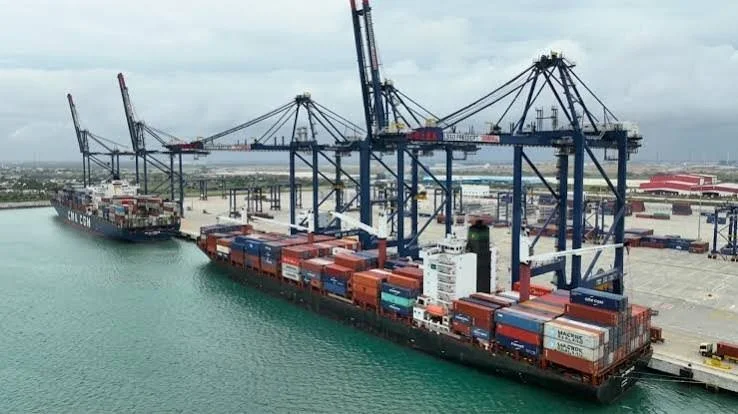
Aliko Dangote is expanding his energy investments across Africa through pipeline, refinery and fuel-storage projects
Nigerian industrialist Aliko Dangote has acquired a 25% stake in Kenya Pipeline Company in a deal valued at approximately $327 million, expanding his presence in East Africa’s petroleum distribution network as he pursues a wider energy infrastructure strategy across the continent.
/ You Might Also Like /




Dangote disclosed the acquisition at an event in London on 21 October 2026, saying his group planned to invest aggressively in pipelines and fuel distribution infrastructure. The deal forms part of a broader ambition to invest $50 billion across Africa by 2030 and build an integrated network connecting refineries, pipelines, storage facilities and regional fuel markets.
Dangote Acquires Significant Stake in Kenya Pipeline Company
The acquisition covers approximately 24.76% of Kenya Pipeline Company (KPC), which operates a major petroleum transportation network linking the port of Mombasa to inland markets.
The transaction involved about 4.5 billion shares valued at 42.5 billion Kenyan shillings, equivalent to roughly $327 million. The purchase makes Dangote a major shareholder in the company and gives his business interests a foothold in infrastructure used to distribute fuel across Kenya and neighbouring countries.
Established in 1973, Kenya Pipeline Company operates a network of approximately 1,342 kilometres, supported by storage depots, pumping stations and loading facilities. The system is central to moving petroleum products from the coast to consumption centres across East Africa.
The company was previously wholly owned by the Kenyan government before the state sold a 65% stake through an initial public offering in 2026.
Dangote has not publicly identified which company within his business group acquired the shares. The investment extends his interests beyond refining into the infrastructure required to transport and distribute petroleum products.
$1.5bn Planned for Kenya Pipeline Expansion
Beyond the share acquisition, Dangote has outlined plans to invest approximately $1.5 billion to expand Kenya Pipeline’s network.
The proposed investment would strengthen the infrastructure used to move refined petroleum products from coastal import facilities to inland markets. It also fits into a wider strategy to increase the capacity and reach of fuel distribution systems across Africa.
For Dangote, owning part of an established pipeline operator offers a potential route to connect refining capacity with regional markets. However, the precise expansion schedule, project scope and financing arrangements will determine how quickly the planned investment translates into additional infrastructure.
The strategy reflects the importance of distribution networks in petroleum markets. Refining capacity alone cannot guarantee reliable supply if pipelines, storage facilities and transport links cannot move products efficiently to consumers.
Kenya Refinery Forms Part of Wider Energy Strategy
The pipeline investment comes as Dangote advances plans for a proposed $16 billion to $17 billion refinery in Lamu, on Kenya’s northern coast. The facility is designed to process up to 700,000 barrels of crude oil per day, comparable in scale to his Nigerian refinery.
Groundbreaking took place on 30 September 2026, with completion targeted around 2030. The project is intended to supply Kenya and wider East African markets, which rely significantly on imported refined petroleum products.
Kenya has also expressed interest in taking an equity stake in the refinery, while Dangote has offered East African governments a combined 30% interest in the project.
The refinery’s development remains subject to financing, construction and other implementation requirements. A land dispute has also presented a legal challenge at the project site.
If delivered, the refinery and pipeline investments could create closer links between petroleum processing and distribution in East Africa. The projects would also position Dangote’s business to serve markets beyond Nigeria.
Fuel Storage Projects Target East, Central and Southern Africa
Dangote’s expansion plans extend beyond Kenya. His group is developing a wider distribution strategy involving fuel-storage facilities and supply corridors across several African markets.
In Djibouti, the group plans a storage facility intended to support supplies to Ethiopia, including the route towards Addis Ababa. Dangote has also said plans for a storage project in Cameroon are being finalised.
In Namibia, the group intends to develop a 330-million-litre fuel storage facility at Walvis Bay, which could serve as a distribution point for markets including Botswana, Zambia, Zimbabwe and South Africa.
The location offers access to Atlantic shipping routes and could help connect products from the Nigerian refinery with southern African markets.
Taken together, the projects indicate a strategy that combines refining with storage and transportation. Their commercial value will depend on execution, regional demand, financing and the ability to compete with existing fuel suppliers.
Dangote Targets $50bn in African Investments by 2030
Dangote has said his group plans to invest $50 billion across Africa by 2030, with a broader objective of developing industrial capacity and retaining more economic value within the continent.
The strategy builds on existing operations in cement, fertiliser, food processing and petroleum refining. Its energy component is increasingly focused on infrastructure that can move products across national borders.
Dangote has also argued that African countries should support domestic manufacturing and reduce dependence on imported finished products where local production is commercially viable.
The scale of the ambition is substantial. Delivering multiple refineries, pipelines and storage facilities across different countries will require coordination with governments, regulators, financiers and local partners. Differences in regulation, infrastructure quality and market conditions could affect project costs and timelines.
The group’s investment target should therefore be understood as a stated ambition rather than capital already deployed or projects already completed.
Implications for Logistics and Industrial Property
The expansion of fuel distribution infrastructure could generate opportunities for logistics, storage and industrial property markets in locations connected to the planned projects.
Pipeline terminals and fuel depots require land, access roads, security infrastructure and supporting facilities. Larger energy projects may also stimulate demand for warehouses, engineering services, transport operators and accommodation for workers and contractors during construction and operations.
In Kenya, Lamu’s proposed refinery could influence demand for industrial land and supporting services if construction advances and the wider energy complex takes shape. In Namibia, the planned storage facility could strengthen Walvis Bay’s role as a logistics gateway for southern African markets.
These opportunities are not guaranteed. Their scale will depend on project execution, local planning approvals, infrastructure connections and the extent to which surrounding businesses expand alongside the energy facilities.
For Nigeria, Dangote’s strategy also highlights the importance of export logistics and regional distribution infrastructure. Domestic refining capacity can create wider economic opportunities when supported by efficient ports, storage facilities and dependable routes to overseas markets.
Execution Will Determine the Scale of Expansion
Dangote’s acquisition of a stake in Kenya Pipeline Company gives his group an interest in an existing petroleum distribution network while its proposed refinery and storage projects could extend that reach.
The wider strategy seeks to connect refining, storage and transportation across East, Central and Southern Africa, potentially creating a more integrated regional supply network.
The next milestones will include the implementation of the planned pipeline investment, progress on the Lamu refinery and development of the proposed storage facilities. Their completion will determine whether the $50 billion expansion ambition produces a commercially integrated African energy network by 2030.
READ MORE