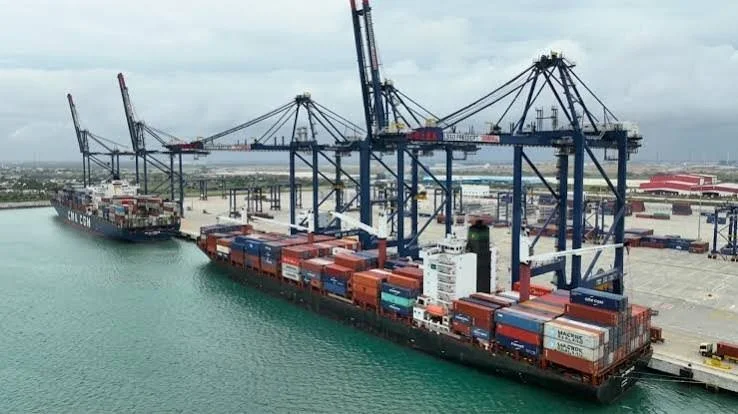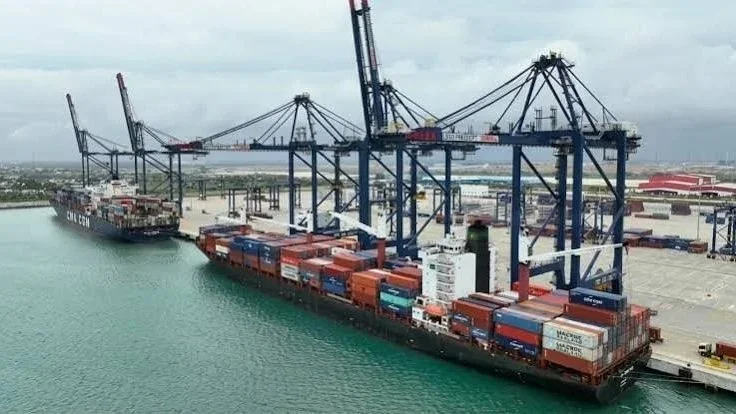
Four channel management firms have received government approval to support operations at Nigeria’s seaports
The Federal Executive Council (FEC) has approved four new channel management companies for Nigeria’s seaports, in a move aimed at improving vessel navigation and port operations across the country’s major maritime corridors.
The changes will affect the management of channels serving Lagos, Calabar, Bonny and Warri, including changes to ownership arrangements at the Lagos and Bonny channel management companies.
/ You Might Also Like /




The development comes as Nigeria seeks to improve port efficiency, strengthen maritime infrastructure and make its seaports more competitive in regional and international trade.
New Companies to Manage Four Major Port Channels
The approved arrangements cover four key channels serving Nigeria’s major port clusters.
A new company will manage the Lagos port channel under a changed name, while the Calabar Channel Management Company will oversee the Calabar channel. The Bonny Channel Management Company has also undergone a change of ownership.
For the Warri channel, the Federal Government has approved China Harbour Engineering Company (CHEC) and two other companies to form a consortium to manage the Escravos Channel. The consortium is expected to establish a special purpose vehicle with the Nigerian Ports Authority (NPA) for the operation.
The identities of all the new owners were not independently confirmed in the initial report. However, sources close to the NPA indicated that a Belgian company was expected to take over channel management operations at the Lagos ports.
Changes Follow Concession Reviews
The new arrangements follow the NPA management’s decision not to renew the concessions of Lagos Channel Management Limited and Bonny Channel Management Company. Instead, the authority granted six-month extensions to the existing arrangements.
The latest approvals signal a change in how channel management will be organised at some of the country’s busiest maritime gateways.
Channel management is central to port operations because it covers the navigable waterways vessels use to reach port facilities. Effective management helps maintain safe passage, manage channel depth and address navigational constraints that could limit the movement of ships.
The operational performance of these channels can influence the size of vessels a port can receive, the reliability of port access and the efficiency of cargo movements.
Port Efficiency Could Shape Trade and Investment
Improved channel management could support Nigeria’s efforts to reduce delays and strengthen the competitiveness of its maritime sector. However, the benefits will depend on how effectively the new companies perform their responsibilities and coordinate with the NPA and other port stakeholders.
Where channel depth or navigational restrictions limit vessel access, shipping operators may face constraints on the vessels they can deploy. More reliable channel operations could help reduce such bottlenecks, although the approval of new management companies alone does not guarantee lower costs or shorter vessel turnaround times.
The arrangements will also need clear performance standards, effective oversight and transparent concession structures to ensure that changes in ownership and management translate into measurable improvements.
Implications for Industrial Property and Logistics
More efficient seaports can strengthen the commercial appeal of areas connected to maritime trade. Industrial estates, warehouses, distribution centres and logistics facilities often depend on reliable access to ports to move imported inputs and export finished goods.
Lagos, Bonny, Calabar and Warri serve different commercial and industrial corridors. Improvements in the waterways serving these locations could support logistics activity and investment around their respective port networks if they lead to more dependable cargo movement.
For Nigeria’s property market, this is an indirect opportunity rather than an immediate guarantee of increased investment. The wider impact will depend on port performance, road and rail connections, demand for logistics space and the cost of moving goods between ports and inland markets.
Implementation Will Determine the Outcome
The Federal Government’s approval establishes a new framework for channel management at the four port clusters. The next test will be whether the arrangements improve navigation, maintenance and operational reliability.
Clear responsibilities between the NPA and the approved companies, consistent performance monitoring and timely investment in channel infrastructure will be important to achieving those objectives.
For port users and businesses dependent on maritime trade, the practical measure of success will be safer navigation, fewer operational bottlenecks and more predictable access to Nigeria’s seaports.
READ MORE