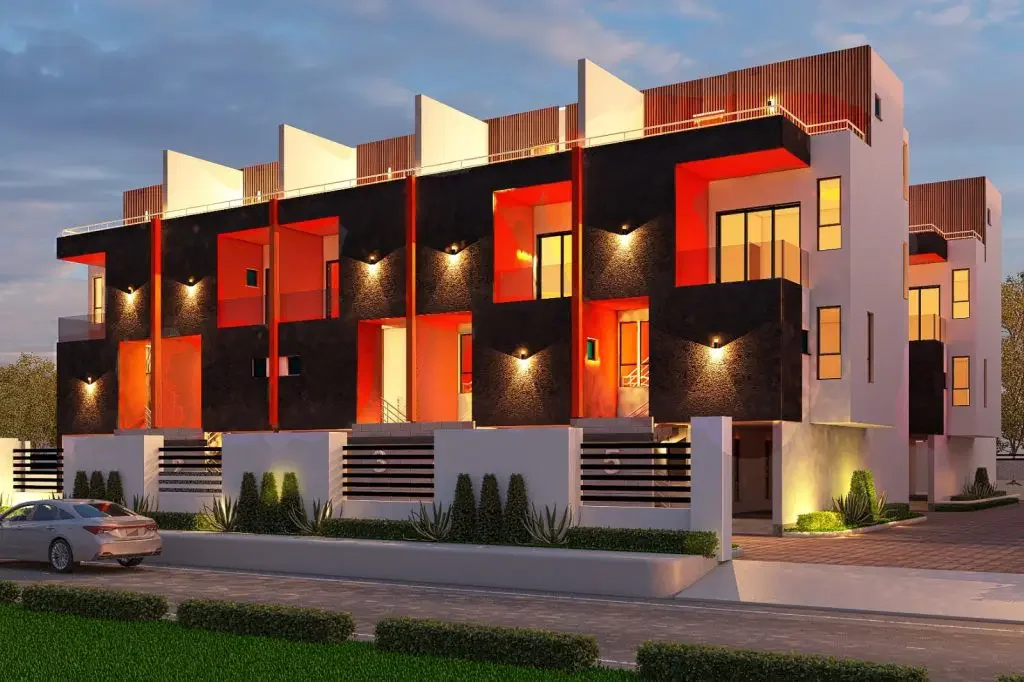
Luxury Housing in Nigeria Shifts From Expensive Features to Intentional Design
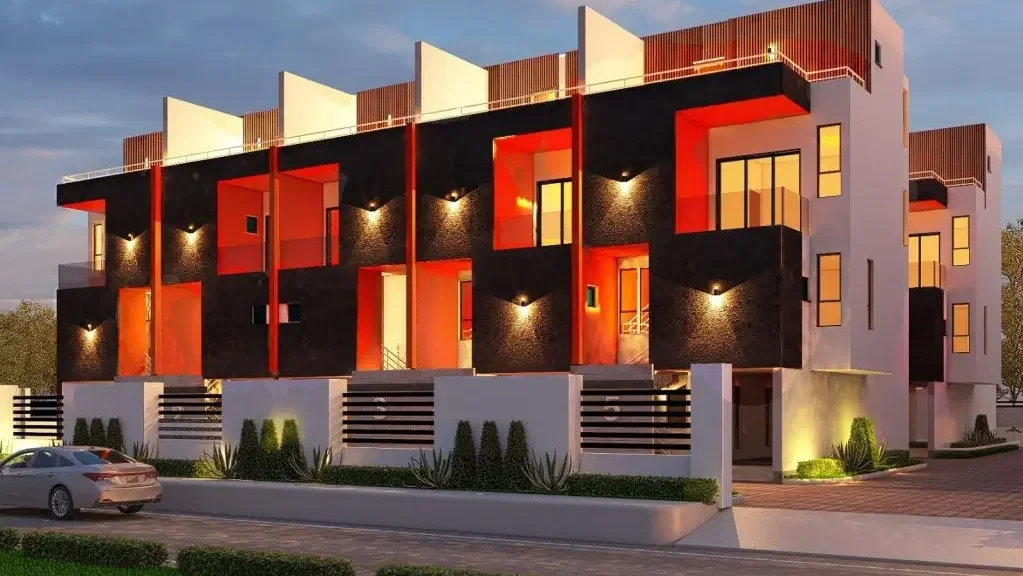
Nigeria’s Luxury Property Market Embraces Personalised, Human-Centred Design
Nigeria’s luxury housing market needs to move beyond expensive finishes and elaborate features towards homes designed around the needs, routines and lifestyles of their occupants, according to Tayo Adejumo, founder and chief executive officer of Kimberly Group.
/ You Might Also Like /




Adejumo, an environment and architectural strategist, said the conventional approach to luxury housing places too much emphasis on price and visible features such as swimming pools, elevators, imported kitchens, marble floors, private cinemas and smart-home systems.
She argued that the quality of a high-end residence should also reflect how effectively it supports everyday living, including work, relaxation, entertainment, privacy and household management.
Luxury Housing Moves Beyond Expensive Finishes
Luxury homes in Nigeria are often marketed through their prices, size and premium fittings. Properties valued at hundreds of millions or billions of naira frequently feature multiple bedrooms, elaborate interiors, advanced technology and recreational facilities.
Adejumo said these features should not be the sole measures of residential quality, particularly when buyers are making substantial investments in private homes.
She maintained that architects should understand how occupants intend to use their homes before deciding on room layouts, interior features and supporting facilities.
This approach shifts the focus from adding expensive features to designing spaces that respond to the specific needs of residents. A well-planned home, she argued, can deliver greater practical value than a more expensive property whose layout and features do not reflect the owner's lifestyle.
Functional Design Becomes Central to Premium Living
Adejumo identified practical considerations such as laundry facilities, waste management, water supply, solar systems, storage, maintenance and staff accommodation as important elements of residential design.
These requirements can influence how conveniently a home operates after construction. If designers overlook them during planning, homeowners may need costly modifications or find that the property does not function as intended.
She also highlighted lighting, acoustics, temperature, movement, privacy and access to nature as factors that affect the experience of living in a home.
For example, a residence designed around its owner's daily routine could arrange the bedroom, wardrobe and personal-care areas to support a smoother sequence of activities. The same principle can guide the planning of workspaces, exercise areas, entertainment rooms and transitions between private and shared spaces.
Such considerations place greater emphasis on how residents use a property rather than simply how it looks when presented to prospective buyers.
Climate and Nature Must Inform Residential Architecture
Adejumo said architects should incorporate nature into residential projects from the initial design stage instead of treating landscaping as an addition after construction.
She cited a residential concept built around a mature tree, with the building arranged around it and an internal veranda overlooking an open courtyard.
The approach requires designers to consider natural light, heat, rainfall, shade and airflow alongside the arrangement of rooms and outdoor spaces.
These considerations are particularly relevant to Nigerian housing, where heavy rainfall, heat and the need for reliable utilities can affect comfort, maintenance and operating costs.
Planning for local environmental conditions from the outset can help architects develop homes that respond more effectively to their surroundings and residents' needs.
A Higher Price Does Not Always Mean Better Design
Adejumo challenged the assumption that a more expensive property necessarily provides a better residential experience.
She said a thoughtfully planned home valued at ₦500 million could serve its owner more effectively than a ₦2.5 billion property designed primarily around scale, resale expectations and generic luxury features.
Her argument places greater weight on design quality, practical performance and personalisation than on price alone.
For developers, this approach places the brief agreed with the client at the centre of the design process. It also highlights the importance of coordinating architecture, interiors, lighting, landscape, utilities and technology rather than treating them as separate elements.
For buyers, it reinforces the need to assess properties based on layout, functionality, maintenance requirements and suitability for their intended use, alongside location, finishes and market value.
Technology and Personalisation Shape the Future of Luxury Homes
Adejumo expects personalisation, technology and human experience to play a greater role in Africa's luxury housing market.
She said Kimberly Group approaches residential projects by considering architecture, interiors, lighting, landscape, utilities, acoustics, technology and human behaviour as interconnected components.
This perspective broadens the definition of luxury from the presence of individual features to the overall quality of the living environment.
Technology can form part of that experience, but its value depends on how well it serves residents. Smart-home systems and energy solutions, for instance, need to work within a property's wider design and operational requirements rather than function as isolated selling points.
The emphasis on personalisation also recognises that luxury buyers have different expectations. A household's needs may depend on how its members work, entertain guests, manage daily routines and use private and communal spaces.
Implications for Nigeria's Real Estate Market
The emphasis on intentional design adds another dimension to competition within Nigeria's high-end residential market. Developers are being challenged to demonstrate value not only through location, finishes and amenities but also through the usability and quality of the completed home.
For architects and developers, this requires a clearer understanding of buyer requirements at the beginning of a project. Integrating utilities, maintenance access, storage, privacy and environmental considerations during planning can also reduce the need for later alterations.
For property investors, functionality and design quality may influence a home's appeal to prospective buyers or tenants. However, the commercial performance of any property will continue to depend on factors such as location, purchase price, market demand, operating costs and the quality of construction.
The approach does not remove the importance of premium materials or amenities. Rather, it places them within a broader assessment of whether a home delivers a coherent and practical living experience.
Outlook
Nigeria's luxury housing market is seeing renewed attention to the relationship between design, functionality and residential experience. Adejumo's position is that premium housing should reflect the needs of its occupants instead of relying mainly on expensive finishes, large spaces and elaborate features.
As developers respond to changing buyer expectations, the ability to combine architectural quality, personalisation, environmental considerations and practical household needs could become a more prominent measure of luxury.
The central question, therefore, is not simply how much a home costs or how many features it contains, but how effectively its design supports the people who live in it.
READ MORE