MOFI’s ₦1tn Housing Fund Faces Test to Deliver Affordable Homes
Nigeria’s ₦1 trillion MOFI Real Estate Investment Fund (MREIF) faces a critical test of converting its growing capital base into affordable mortgages and additional housing supply, despite recording significant progress in raising funds and extending financing to homebuyers.
/ You Might Also Like /




BusinessDay reported on November 23, 2026, that the fund had deployed more than ₦150 billion in mortgages against a national housing deficit estimated at 14.9 million units. However, housing experts and industry stakeholders say its long-term success will depend on how effectively it converts available capital into completed homes, accessible mortgage products and sustainable homeownership.
Sponsored by the Ministry of Finance Incorporated (MOFI), MREIF aims to address Nigeria’s shortage of long-term housing finance by mobilising capital from government and private investors and channeling it into mortgage lending through participating financial institutions.
The fund offers eligible Nigerians mortgages of up to ₦100 million at a fixed annual interest rate of 9.75%, with repayment periods of up to 20 years and a minimum equity contribution of 10%.
President Bola Tinubu recently disclosed that more than 2,300 Nigerians across 27 states had accessed approximately ₦160 billion in mortgage financing through the initiative.
While these figures indicate progress in expanding access to housing finance, the scale of Nigeria’s housing shortage raises questions about the fund’s capacity to deliver affordable homes to a much wider population.
MREIF Builds ₦1 Trillion Housing Finance Platform
MREIF was established to mobilise long-term investment for Nigeria’s housing market and expand access to mortgage financing. Its structure combines government participation with private-sector investment to create a larger pool of funds for home purchases and housing development.
The fund's initial capital-market issuances reached ₦250 billion, comprising ₦150 billion in government subscriptions and ₦100 billion in private investment.
Its mortgage structure allows eligible borrowers to access longer repayment periods at interest rates designed to make homeownership more manageable than conventional short-term financing.
However, access to a mortgage does not automatically translate into affordable homeownership. Property prices, household earnings, the required initial contribution and monthly repayment obligations will determine whether prospective buyers can meet the programme's conditions.
For households with limited or irregular incomes, even a mortgage with a relatively lower interest rate may remain financially inaccessible.
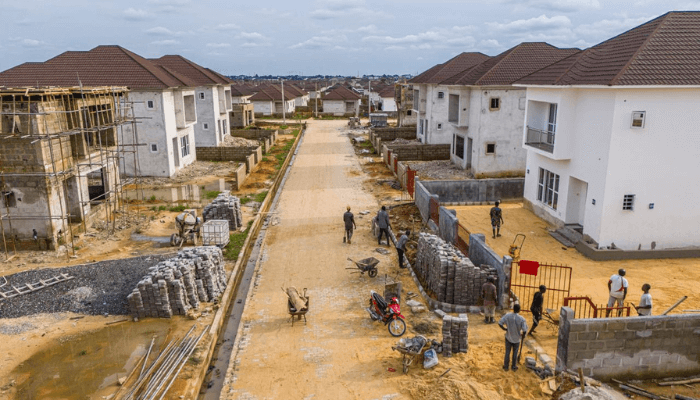
Nigeria's housing deficit, estimated at 14.925 million units in 2025 by the National Housing Data Technical Committee, further illustrates the scale of the challenge. Expanding mortgage financing will therefore need to go alongside increased construction of homes that match the purchasing capacity of different income groups.
Developer Guarantees Target Housing Supply Constraints
Beyond financing individual homebuyers, MREIF is also seeking to address the funding challenges confronting property developers through conditional offtake guarantees.
These guarantees are designed to give developers greater certainty that qualified housing projects will attract buyers once completed. By reducing uncertainty around sales, the arrangements could make it easier for developers to secure construction financing and proceed with new projects.
According to the fund's third-quarter 2026 report, three active offtake guarantee transactions, valued at ₦9 billion, covered 475 housing units across Lagos and Abuja.
Three additional transactions worth ₦7 billion had received Investment Committee approval, although negotiations to conclude the arrangements were still ongoing. If finalised, they could cover another 425 units, potentially bringing the total number of units covered by the active and proposed transactions to 900.
These guarantees provide a route for MREIF to influence housing supply beyond its direct mortgage lending activities.
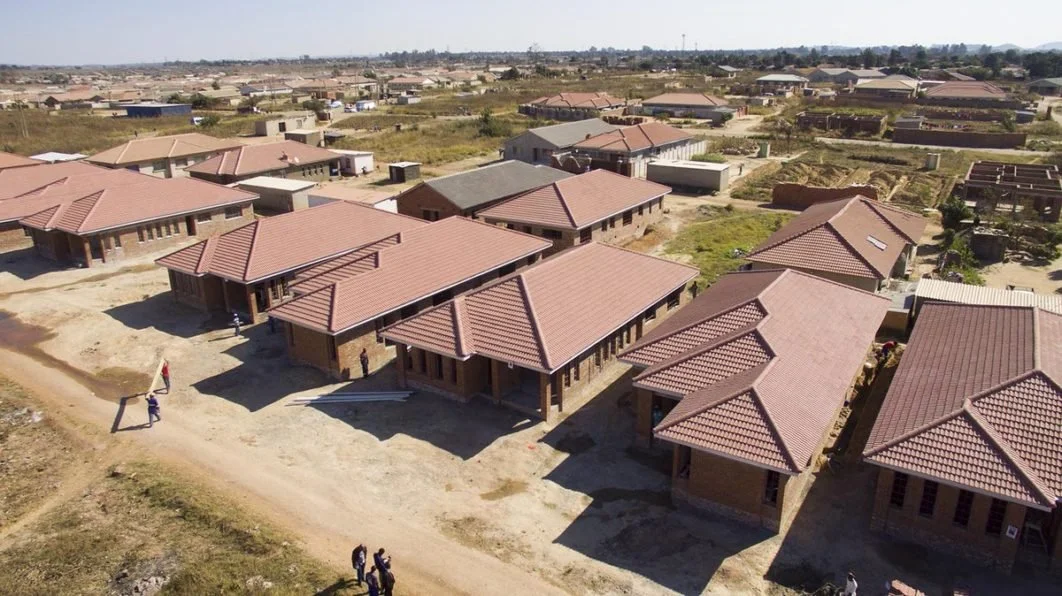
However, the figures represent housing units covered by active and proposed transactions, not completed or occupied homes. Their contribution to the housing stock will depend on whether developers secure the necessary funding, complete construction and deliver properties at prices buyers can afford.
If successfully implemented, the projects could also stimulate employment across the construction value chain, including architecture, engineering, quantity surveying, building trades and the supply of construction materials.
Housing Affordability Remains a Major Challenge
The availability of mortgages at 9.75% interest over a repayment period of up to 20 years could improve financing options for eligible Nigerians. Nevertheless, the fund's ability to reach lower- and middle-income households will depend on the relationship between property prices and household incomes.
Borrowers must provide at least 10% of the property's value as an initial contribution and demonstrate the capacity to meet the remaining repayment obligations.
This requirement could exclude households that lack sufficient savings or earn incomes that cannot support the monthly repayments.
The supply of suitable properties also matters. Expanding mortgage access without a corresponding increase in affordable housing construction could intensify competition for available homes and place upward pressure on prices in locations where supply remains limited.
For this reason, the fund's developer-financing initiatives are important to its broader objectives. Increasing the number of homes available for purchase could help balance demand created by wider mortgage access.
The effect on rental prices, however, will depend on how many additional homes enter the market, their locations and whether they serve households currently priced out of homeownership.
Profitability Raises Questions About Capital Deployment
MREIF's financial performance shows that it has established a sizeable investment platform. Its half-year 2026 performance report, titled Strong Profits, Stronger Purpose, recorded a profit before tax of ₦14.49 billion and a profit after tax of ₦14.24 billion.
The fund also declared interim dividends, while its net asset value per unit increased to ₦106.71.
However, mortgage banks have argued that MREIF should accelerate the deployment of its capital into mortgage lending and housing finance rather than concentrate too heavily on cash holdings and investment securities.
According to observations cited by BusinessDay, the fund increased its mortgage portfolio by 86% over six months, but a substantial share of its assets remained in cash and investment securities rather than mortgage loans. A significant portion of its income during the period also came from interest on those holdings.
This raises an important question about the balance between investment performance and the fund's development mandate.
Although profitability can strengthen the fund's financial position and support investor confidence, its wider purpose is to expand access to affordable housing finance, mobilise long-term capital and increase homeownership.
Adeduro Adebayo, an estate manager quoted by BusinessDay, said effective implementation of a ₦1 trillion mortgage programme at 9.75% interest over 20 years could stimulate housing-market activity and improve living standards. He also highlighted Nigeria's low mortgage penetration, which remains below 1% of gross domestic product.
Housing Fund's Success Will Depend on Delivery
MREIF represents an important attempt to deepen Nigeria's mortgage market and attract long-term investment into housing. Its mortgage products, capital-market issuances and developer guarantees provide different channels through which financing could support homeownership and housing construction.
However, the fund's ultimate impact will depend on more than the amount of capital it raises or the profits it generates. Its performance must also reflect the number of affordable mortgages disbursed, the additional homes developers complete, the income groups reached and the sustainability of repayment arrangements.
For investors and housing professionals, the developer-guarantee programme offers a potentially important mechanism for reducing sales uncertainty and supporting construction finance. For prospective homeowners, the central concern remains whether the homes financed through the programme will be available at prices their incomes can sustain.
With Nigeria's housing deficit estimated at nearly 15 million units, the pressure on MREIF is therefore to demonstrate that its financial resources can translate into measurable improvements in housing supply and access to homeownership.
READ MORE